In every corner of the world, there are children who grow up without the warmth of parents. Some lose them too early. Some are abandoned. Others are separated by circumstances beyond their control. Whatever the reason, these children carry a quiet weight in their hearts—a weight that many people cannot see. Sadly, instead of receiving kindness and support, some of them face bullying, rejection, and misunderstanding simply because they are alone.
But being without parents does not mean they deserve cruelty. It does not make them weak, and it certainly does not make them less worthy of love and respect. If anything, these children deserve even more protection, compassion, and encouragement. When I say, “I want to protect their unprotected punches,” I mean I want to stand beside them when they try to fight back against a world that often treats them unfairly.
Children without parents already face many challenges. They often grow up learning how to survive on their own much earlier than others. While many kids have someone to comfort them when they cry or guide them when they make mistakes, orphaned or abandoned children must figure out many things alone. This can make them appear quiet, defensive, or different from others.
Unfortunately, differences can sometimes make someone a target.
In schools, playgrounds, or neighborhoods, bullies often search for someone they believe cannot fight back. A child who doesn’t have parents nearby may seem like an easy target. Some bullies might think no one will defend them or that their pain doesn’t matter.
But that assumption is wrong.
Just because a child does not have parents does not mean they have no strength. In fact, many of these children develop incredible resilience. They learn to face difficulties with courage, even when they are afraid. They may fall down many times, but they still get up again. Their “punches”—their attempts to defend themselves, speak up, or stand strong—may seem small, but they carry powerful determination.
The problem is that those punches are often unprotected.
When other children are bullied, their parents may step in. Teachers may be called. Families gather around to defend them. But children without parents may not have that same shield. Their struggles can go unnoticed, and their voices can be drowned out by louder ones.
This is why people around them must become their protectors.
Teachers, friends, neighbors, and communities all have the power to make a difference. A single act of kindness—standing beside them, listening to them, or defending them—can change their entire world. When someone shows them they are not alone, it gives them strength they never knew they had.
Imagine a child standing in a schoolyard while others laugh at them. They might clench their fists, wanting to defend themselves but feeling unsure whether anyone will help. In that moment, even one person stepping forward can transform everything. A friend who says, “Leave them alone,” or a teacher who intervenes sends a powerful message: this child matters.
Protection does not always mean fighting physically. Sometimes it means offering understanding, encouragement, and inclusion. Inviting them to join a game, sharing a seat at lunch, or simply speaking kindly can help heal wounds that no one else sees.
Children without parents often crave something very simple: to belong.
They want to feel that they are part of a community, part of a group that cares about them. When they feel accepted, they begin to believe in themselves again. Their confidence grows, and their small “punches” become stronger.
But when they are bullied, the opposite happens. Their confidence shrinks. Their voices become quieter. They may start believing the hurtful words thrown at them.
This is why bullying them is especially cruel.
It targets someone who is already carrying emotional scars. It adds pain to a life that may already feel difficult. No child should have to endure that kind of treatment, especially when they are already navigating life without parental support.
Instead of bullying them, we should admire their strength.
Think about how brave they are to wake up each day and continue moving forward. Many of them learn independence early. They develop empathy because they understand pain. They often become caring individuals who support others because they know what loneliness feels like.
These qualities are not weaknesses—they are powerful strengths.
When someone chooses to protect these children, they are not only defending them from bullies. They are also helping shape a future where compassion matters more than cruelty. Every child who grows up feeling supported is more likely to become an adult who spreads kindness rather than harm.
Imagine a world where no child is mocked for being alone.
Imagine classrooms where students defend one another, where teachers actively protect vulnerable children, and where communities treat every child as if they are their own. In such a world, children without parents would not feel abandoned—they would feel surrounded by care.
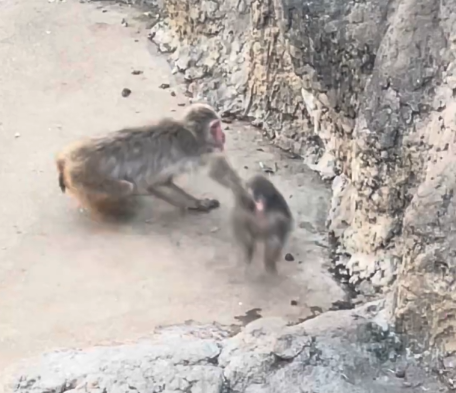
This vision may seem idealistic, but it begins with small actions.
Standing up against bullying is one of those actions. Speaking kindly is another. Offering friendship, encouragement, or simply listening can have an enormous impact.
When we say we want to protect their “unprotected punches,” we are saying we want to stand beside them while they find their strength. We want to ensure their voices are heard, their courage is recognized, and their struggles are not ignored.
Every child deserves someone in their corner.
For children without parents, that someone could be anyone—a teacher who believes in them, a friend who supports them, a neighbor who cares, or a stranger who chooses kindness over judgment.
Protection does not require extraordinary power. It simply requires empathy.
When we see someone being bullied, we have a choice. We can stay silent, or we can step forward. Silence allows cruelty to continue, but courage can stop it.
And sometimes, courage starts with a single sentence: “Don’t bully them.”
Those words may seem simple, but they carry immense power. They show that someone is paying attention. They show that someone cares.
Children who grow up without parents may face many hardships, but they should never have to face them alone. Their lives already require strength and resilience. What they need from the world is compassion, fairness, and protection.
So the next time we see a child standing alone, struggling, or being treated unfairly, we should remember something important: they are not weak.
They are fighters.
And their punches—though small and unprotected—deserve someone who will stand beside them and make sure they are never ignored again.