Movement can be powerful, expressive, and healing. Among the many styles of dance and body movement, Liquid Body Flow stands out as a graceful and calming practice. It focuses on slow, smooth, and repetitive movements that create the illusion of fluid motion—almost as if the body itself becomes water. Instead of sharp or aggressive gestures, Liquid Body Flow emphasizes softness, continuity, and control. The result is a style of movement that feels both artistic and deeply relaxing.
At its core, Liquid Body Flow is about connection between the mind and the body. Each motion flows naturally into the next, creating a continuous rhythm that feels effortless to watch. When performed well, it looks almost hypnotic, as if the dancer’s body is moving through invisible waves of energy.
This type of movement is often inspired by elements found in nature. Think about the way water flows down a river, how seaweed moves beneath the ocean, or how clouds slowly shift across the sky. Liquid Body Flow reflects these natural patterns through slow transitions and circular motions.
The practice usually begins with gentle preparation.
Before starting the movement flow, the dancer takes a few moments to relax the body and focus on breathing. Deep breathing helps release tension from the muscles and prepares the body for fluid motion. When the muscles are relaxed, movement becomes smoother and more natural.
Many Liquid Body Flow sessions begin with simple shoulder and arm waves. The dancer raises one arm slowly, letting the motion travel from the shoulder to the elbow, then down to the wrist and fingers. This wave-like movement is repeated several times until the body begins to feel comfortable with the rhythm.
The key principle is continuity.
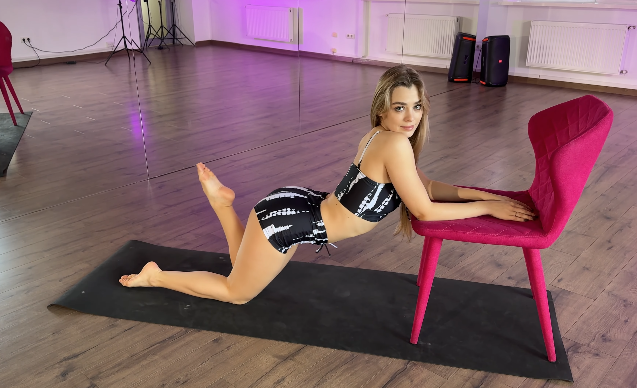
Every movement should blend into the next without sudden stops. Instead of thinking about separate poses, the dancer imagines a flowing line of motion that travels throughout the entire body.
As the arms begin to move fluidly, the dancer gradually adds other parts of the body. The torso begins to sway gently, creating a soft ripple that moves through the spine. Hips shift subtly from side to side, while the legs remain grounded and stable.
This creates a full-body flow that feels balanced and harmonious.
Slow repetition is an important element of this practice. By repeating the same movements again and again, the body learns to relax into the rhythm. Over time, the movements become smoother and more controlled.
Repetition also allows the dancer to explore small details.
For example, a simple arm wave can be performed in many different ways. The speed, direction, and intensity can change slightly with each repetition. These subtle variations create a unique expression of movement.
Liquid Body Flow is not about perfection.
It is about awareness.
The dancer focuses on how the body feels during each movement. Are the shoulders relaxed? Is the breathing steady? Are the transitions smooth?
These questions guide the practice and help develop graceful control.
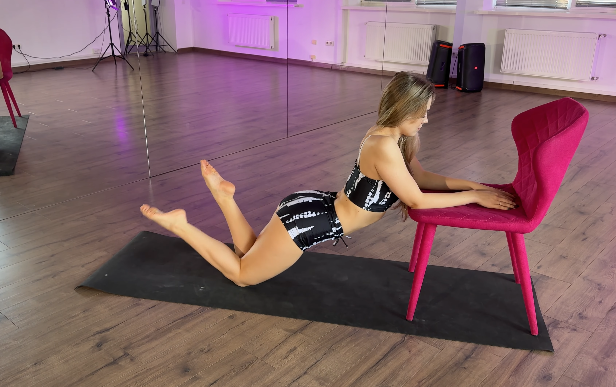
Another important aspect of Liquid Body Flow is posture. Even though the movements appear relaxed, the body must remain aligned. The spine stays tall, the shoulders stay open, and the core muscles remain lightly engaged.
This posture supports balance and prevents unnecessary strain.
Music often plays a supportive role in this practice. Soft, ambient music with slow rhythms works especially well. The gentle soundscape helps the dancer maintain a calm tempo and encourages flowing motion.
Some practitioners even describe the experience as a moving meditation.
Just like meditation focuses the mind on breathing or awareness, Liquid Body Flow focuses attention on movement and sensation. As the dancer repeats smooth motions, the mind begins to quiet down.
Stress fades away, replaced by calm focus.
The beauty of this practice is that it can be done almost anywhere. A large stage or dance studio is not required. A small open space at home is often enough.
Because the movements are slow and controlled, the risk of injury is very low compared to high-impact dance styles.
Beginners often start with basic movements such as arm waves, torso rolls, and hip circles. As confidence grows, they begin combining these elements into longer sequences.
For example, a flowing sequence might begin with a shoulder roll that transitions into an arm wave. The wave continues through the torso, creating a ripple that travels down to the hips. The hips then shift gently into a circular motion, which flows naturally back into the arms.
The entire sequence moves like a continuous loop.
Watching someone perform Liquid Body Flow can be mesmerizing. The dancer appears almost weightless, as if gravity has less control over their body. The transitions between movements are so smooth that it becomes difficult to tell where one motion ends and another begins.
This visual fluidity is what gives the style its name.
Over time, practicing Liquid Body Flow can bring many benefits. Physically, it improves coordination, flexibility, and muscle control. Because the movements involve the entire body, they also promote better posture and body awareness.
Mentally, the practice encourages relaxation and mindfulness.
Many people find that after a session of slow, flowing movement, they feel calmer and more centered. The repetitive nature of the movements helps clear the mind and release tension built up during daily life.
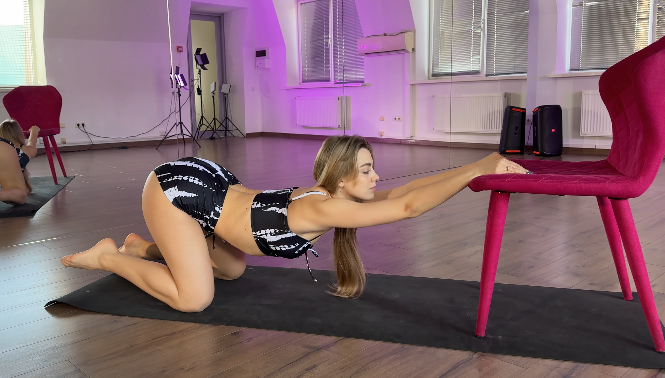
Emotionally, Liquid Body Flow can also be expressive. Even though the movements are simple, they allow dancers to communicate mood and feeling through subtle changes in rhythm and intensity.
A slow, gentle flow might express peace or reflection.
A slightly stronger, more energetic flow might express confidence or determination.
There are no strict rules about how the movement should look. Each dancer eventually develops their own style within the fluid framework.
As the session comes to an end, the dancer gradually slows the movements even further. The waves of motion become smaller and softer until the body finally returns to stillness.
A few deep breaths help bring the practice to a calm conclusion.
In that moment of stillness, the body feels lighter and more relaxed than before.
Liquid Body Flow reminds us that movement does not always need to be fast or dramatic to be powerful. Sometimes the most graceful expressions come from slow, mindful motion.
Through patience, repetition, and awareness, anyone can learn to move with greater fluidity and elegance.
And as the body begins to flow like water, grace becomes not just a style of dance—but a natural way of moving through the world. 💫