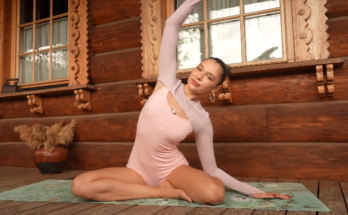
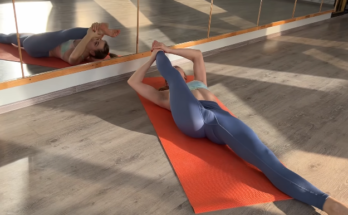
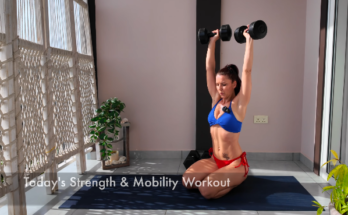
Back mobility is an essential part of maintaining a healthy and active body. Our backs support nearly every movement we make, from sitting and standing to bending, lifting, and twisting. However, modern lifestyles often include long hours of sitting, working at desks, or looking down at phones and computers. Over time, this can lead to stiffness, tight muscles, and limited mobility in the back. Deep back stretching is one of the most effective ways to restore flexibility, reduce tension, and improve overall movement.
Back mobility refers to the ability of the spine and surrounding muscles to move freely and comfortably through their full range of motion. When the back is flexible and strong, everyday activities become easier and less stressful on the body. Deep stretching targets muscles along the spine, the lower back, the shoulders, and even the hips. All of these areas are connected and work together to support healthy posture and balanced movement.
Before starting any deep stretching routine, it is important to warm up the body. Cold muscles are more prone to strain, so beginning with gentle movements can help prepare the back for deeper stretches. Simple exercises such as shoulder rolls, light twists, or slow forward bends allow the muscles to gradually loosen. Even a few minutes of walking or light activity can increase blood flow and make stretching safer and more effective.
One of the most beneficial stretches for back mobility is the Cat-Cow movement, commonly practiced in yoga. This gentle sequence moves the spine through two opposite positions: arching and rounding. Starting on hands and knees, you inhale while lifting your chest and tailbone toward the ceiling, creating a soft arch in the back. As you exhale, you round your spine upward, tucking your chin toward your chest. Repeating this movement slowly allows the spine to move fluidly while releasing tension in both the upper and lower back.
Another powerful stretch for improving back mobility is the Child’s Pose. This relaxing stretch gently lengthens the lower back and helps release pressure along the spine. From a kneeling position, you lower your hips back toward your heels while stretching your arms forward on the floor. As the forehead rests on the mat, the back naturally lengthens. Taking slow, deep breaths while holding this pose can help the muscles relax even more deeply.

Deep back stretching also benefits greatly from seated forward folds. Sitting with legs extended in front of the body, you slowly reach toward your feet while keeping your spine as long as possible. This stretch targets the lower back and hamstrings, which are closely connected to spinal mobility. Tight hamstrings often contribute to lower back stiffness, so stretching them helps relieve tension in the entire back chain of the body.
For those looking to increase flexibility even further, Cobra Pose is an excellent stretch for opening the front of the body and strengthening the back muscles. Lying face down on the floor, you place your hands beneath your shoulders and gently press upward, lifting your chest while keeping your hips grounded. This movement creates a deep stretch along the abdominal muscles while encouraging the spine to extend backward. Practicing this pose regularly can improve posture and counteract the effects of long periods of sitting.
Another helpful stretch for back mobility is the Seated Spinal Twist. Twisting movements help maintain the flexibility of the spine and stimulate the muscles that support it. Sitting upright with one leg extended and the other bent, you gently rotate your torso toward the bent knee while placing your opposite arm across the leg for support. The twist should feel comfortable and controlled, never forced. Breathing slowly while holding the twist allows the muscles to relax into the stretch.
Deep back stretching is not just about flexibility; it also improves body awareness. When we stretch mindfully, we begin to notice where tension accumulates in the body. Many people carry stress in their shoulders, neck, or lower back without realizing it. Stretching helps release these tight areas and encourages better posture throughout the day.
One of the most important aspects of deep stretching is breathing. Slow, steady breathing helps the nervous system relax, allowing muscles to release tension more easily. When the breath is calm and controlled, the body naturally becomes more flexible and receptive to stretching. Many stretching routines encourage inhaling during preparation and exhaling as the body moves deeper into the stretch.

Consistency is key when it comes to improving back mobility. Performing deep stretches once in a while may provide temporary relief, but regular practice leads to lasting improvements. Even ten to fifteen minutes of stretching a few times a week can significantly increase flexibility and reduce stiffness. Over time, the spine becomes more mobile, and everyday movements feel smoother and more comfortable.
It is also important to listen to the body while stretching. Deep stretching should create a feeling of gentle tension but never pain. Pushing too far too quickly can lead to injury. Gradual progress allows muscles and joints to adapt safely while building strength and flexibility.
In addition to physical benefits, stretching has a calming effect on the mind. Many people find that slow stretching routines reduce stress and improve mental clarity. The combination of movement and breathing creates a moment of mindfulness, helping people step away from daily distractions and focus on the present moment.
For individuals who experience frequent back stiffness or discomfort, deep stretching can be especially helpful. When combined with good posture, regular movement, and proper strengthening exercises, stretching supports long-term spinal health. Healthy back mobility makes it easier to perform physical activities, maintain balance, and avoid injuries.
In today’s fast-paced world, taking time to stretch may seem like a small action, but it can make a huge difference in how the body feels and functions. Deep back stretching helps restore balance, release tension, and improve mobility throughout the entire body.
By incorporating simple stretches such as Cat-Cow, Child’s Pose, forward folds, Cobra Pose, and spinal twists, anyone can begin to improve their back mobility. With patience and consistency, these movements gradually build flexibility and strength in the spine.
Ultimately, deep back stretching is not only about improving physical flexibility—it is about caring for the body and maintaining a sense of well-being. A flexible, mobile back allows us to move freely, stand taller, and feel more comfortable in our daily lives. Taking a few minutes each day to stretch can lead to a healthier spine, a relaxed mind, and a more balanced body.