Flexibility is one of the most important aspects of body control, strength, and grace, whether you are practicing yoga, gymnastics, dance, or contortion. Among all flexibility goals, achieving a middle split is a benchmark that requires consistent effort, careful technique, and proper warm-up. The combination of leg and hip stretches not only improves your range of motion but also enhances muscle strength, coordination, and posture.
Middle splits, also known as straddle splits, engage multiple muscle groups simultaneously. The hip adductors, hamstrings, quadriceps, and glutes must all stretch and coordinate together to allow for a smooth, safe extension. Unlike forward splits, which emphasize flexibility in one leg at a time, the middle split challenges the body to open symmetrically, improving both flexibility and body awareness.
Before attempting any intense stretching routine, it is essential to warm up the muscles. Cold muscles are more prone to strain, and trying to force a middle split without preparation can lead to injury. A simple warm-up can include light cardio, such as jogging in place or jumping jacks for 3-5 minutes. Dynamic leg swings and gentle hip circles help prepare the muscles and joints for deeper stretches.
The first key stretch in a leg and hip routine is the Butterfly Stretch. Sit on the floor with the soles of your feet together and knees bent outward. Gently pull your feet toward your body while keeping your spine long. Press your knees lightly toward the floor to feel a stretch in the inner thighs and groin. The butterfly stretch is foundational because it loosens the hip adductors, which are critical for middle splits. Hold this position for 30-60 seconds, breathing deeply and relaxing the hips with each exhale.
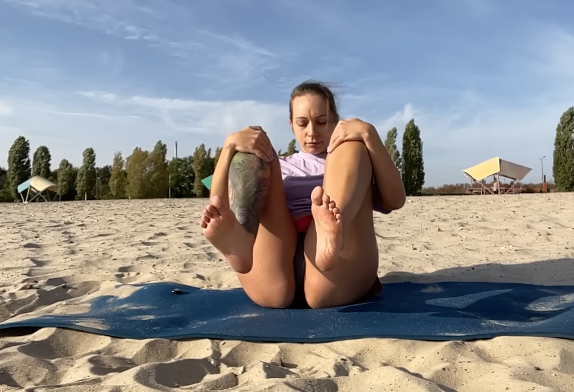
Next, transition into a Seated Straddle Stretch. Extend both legs out to the sides as far as comfortable, keeping your toes pointed upward. With a straight spine, hinge forward from the hips and reach toward one foot, then the other, and finally toward the center. This stretch targets the hamstrings, inner thighs, and lower back. To enhance flexibility over time, gently lower your chest toward the floor, keeping your movements slow and controlled. Hold each side and center stretch for 20-30 seconds, focusing on relaxation rather than forcing the body.
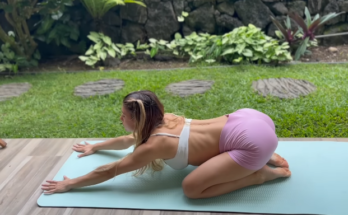
For more advanced middle split preparation, practice Frog Pose. Start on all fours, then slowly widen your knees while keeping your ankles aligned with your knees. Lower your hips toward the floor, keeping your torso upright. Frog pose is particularly effective for opening the inner thighs and groin, and it is often used by gymnasts and contortionists to prepare for extreme flexibility training. Stay in this pose for 30-60 seconds, breathing deeply, and ensure that your hips remain aligned to prevent strain.
Another essential stretch is the Side Lunge Stretch. Stand with feet wide apart and bend one knee while keeping the other leg straight. Lower your hips down and toward the bent knee, keeping your back straight and chest lifted. Side lunges mimic the motion of middle splits and help increase strength in addition to flexibility. Alternate sides and repeat 3-5 times per leg to build endurance and range of motion.
Yoga also offers excellent poses for middle split training. Upavistha Konasana, or Wide-Angle Seated Forward Fold, is a staple for opening the hips and stretching the hamstrings. Sit in a wide straddle position and hinge forward from the hips, keeping your chest long. You can place your hands on the floor or reach for your toes. Focus on maintaining a relaxed breath while lengthening the spine, allowing the muscles to release gradually. This pose combines flexibility with mindfulness, which is central to yoga practice.
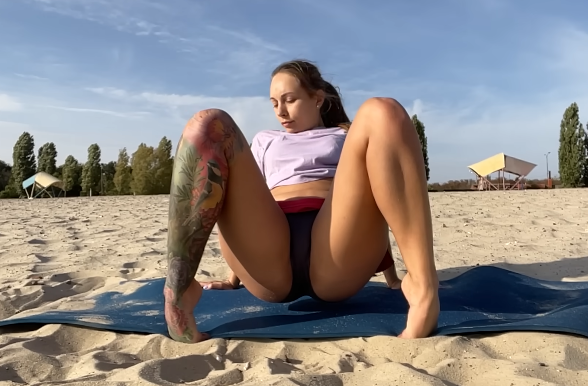
For dynamic flexibility, incorporate Leg Swings. Stand near a wall or chair for support and swing one leg side to side in a controlled motion. This active stretch improves blood flow to the muscles and helps gradually increase the range of motion needed for splits. Start with small swings and increase height as your flexibility improves, but never force the leg beyond a comfortable limit.
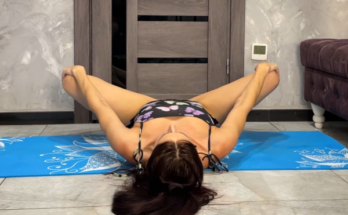
Strength and stability are equally important for middle splits. Wall-Assisted Middle Splits can be useful. Lie on your back with your legs extended up against a wall. Slowly let your legs slide apart into a straddle, allowing gravity to assist your stretch. This passive stretch helps increase hip mobility without overloading the muscles. Use props like yoga blocks or cushions to support the pelvis if needed, ensuring proper alignment and safety.
For practitioners in gymnastics or contortion, Standing Side Splits are often included in warm-ups or routines. With feet wide apart, shift your weight from side to side, bending one knee while keeping the other leg straight. This dynamic movement mimics the middle split while engaging stabilizing muscles and improving balance. Incorporating this into a daily routine builds both flexibility and strength, which are essential for advanced movements.
Another beneficial stretch is the Pancake Stretch, where the torso is lowered toward the floor in a wide straddle position. This pose deeply stretches the inner thighs, hamstrings, and lower back while enhancing spinal flexibility. Focus on lengthening the spine instead of just reaching forward. Over time, consistent practice in this stretch can significantly improve your middle split range.
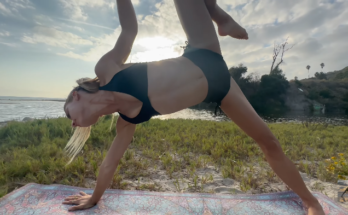
For contortionists or advanced yoga practitioners, Front and Side Leg Extensions complement the middle split. From a seated or standing position, extend one leg to the side while keeping the pelvis stable. Hold the leg in the extended position to build strength in the hip flexors and maintain flexibility. This is particularly important for dynamic performances where control is required alongside flexibility.
Breathing and mindfulness are crucial components of any stretching routine. During each stretch, inhale deeply and exhale slowly. With every exhale, imagine releasing tension in the muscles. Mindful breathing allows the body to relax and gradually extend further into stretches without risking injury. It also connects the physical practice with mental focus, which is central to yoga, gymnastics, and contortion.
Safety is vital when training for middle splits. Avoid forcing the legs into extreme positions, as this can cause strain or muscle tears. Consistency and patience yield better results than intensity. Stretching for 15-20 minutes daily, combined with a proper warm-up and cool-down, ensures gradual progress while protecting the joints and muscles.
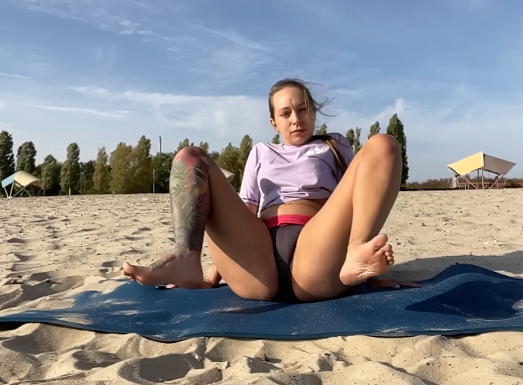
Recovery is equally important. After intense leg and hip stretching, gentle movement, massage, or foam rolling can help muscles recover and prevent soreness. Hydration and adequate sleep also support muscle repair and growth.
Leg and hip stretches, middle splits, yoga, gymnastics, and contortion practices are all interconnected. Each discipline contributes to overall body awareness, flexibility, and control. Whether you are a dancer, gymnast, yogi, or contortionist, dedicating time to leg and hip flexibility enhances performance, prevents injury, and increases overall comfort in movement.
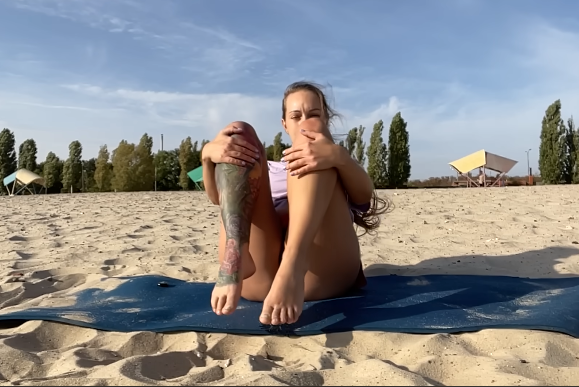
Finally, a complete stretching routine should always end with relaxation. After performing middle split stretches, lie on your back, hug your knees to your chest, and slowly rock side to side. This helps release tension in the hips and lower back. Ending with a few minutes of deep breathing allows the nervous system to calm and the muscles to settle.
In conclusion, achieving a middle split requires dedication, patience, and a well-rounded approach. Incorporating leg and hip stretches, yoga poses, dynamic exercises, and proper recovery techniques ensures safe and effective progress. Training at home or in the gym with mindfulness, consistent practice, and attention to alignment allows the body to gradually open and develop the flexibility required for middle splits. Whether for gymnastics, contortion, yoga, or artistic expression, leg and hip stretching enhances strength, control, and the beauty of movement.