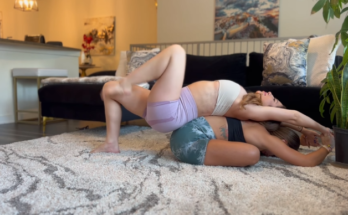

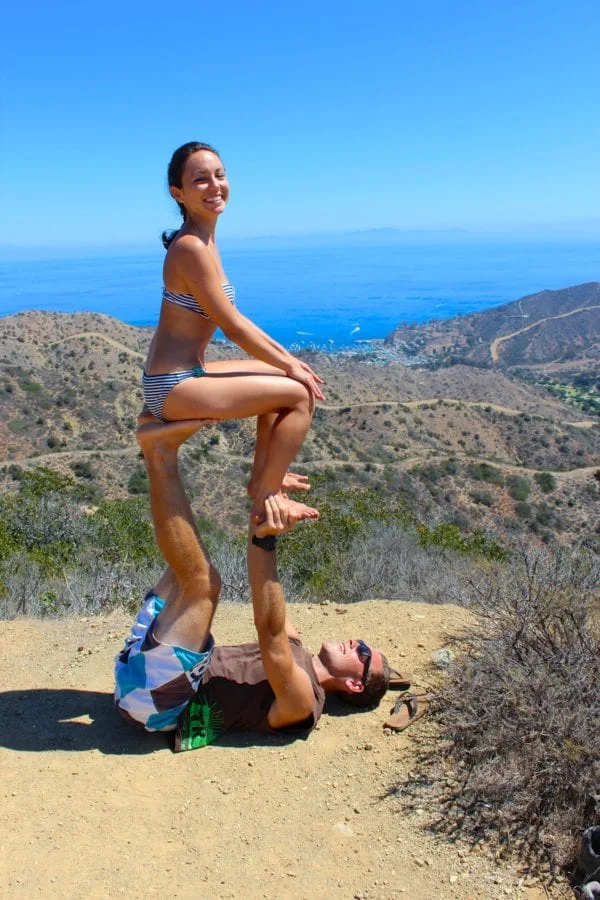
There’s something quietly magical about moving in harmony with another person — a shared breath, a shared rhythm, a shared sense of trust. Acro yoga counter balances capture that magic beautifully, blending flexibility, strength, communication, and connection into a flowing practice that feels both grounding and uplifting.
“2 souls, 1 flow” isn’t just a poetic phrase — it’s the essence of partner balance work. When you lean away from each other, supported only by grip, posture, and mutual awareness, you discover how cooperation transforms effort into ease. Counter balances teach you not only how to stretch your body, but also how to listen, adapt, and move together.
Whether you’re practicing with a partner, friend, or loved one, this guide will walk you through the principles, techniques, and mindset needed to explore flexible acro yoga counter balances safely and beautifully.
What Are Counter Balances in Acro Yoga?
Counter balances occur when two partners lean away from each other, using equal and opposite forces to create stability. Instead of relying on the ground alone, you rely on shared tension — like two ends of a perfectly balanced scale.
These movements improve:
- Flexibility and joint mobility
- Core and stabilizer strength
- Balance and coordination
- Body awareness
- Trust and communication
Counter balances are often the first step into partner acro because they’re accessible yet deeply rewarding.
The Foundation: Trust and Communication
Before any pose, pause and connect.
Stand facing your partner, take a few slow breaths together, and agree on clear communication cues like “lean,” “more,” or “stop.” Eye contact helps synchronize movement and builds confidence.
Remember: counter balances are not about forcing flexibility — they’re about creating support.
Warm-Up Together (10 Minutes)



Preparing the body reduces strain and deepens connection.
Try these gentle warm-ups:
- Partner forward fold stretch
- Shoulder opening stretch holding hands
- Seated spinal twists back-to-back
- Gentle squats holding forearms
- Ankle and wrist mobility drills
Move slowly and breathe deeply — warming up together sets the tone for fluid practice.
Beginner Counter Balance Flow
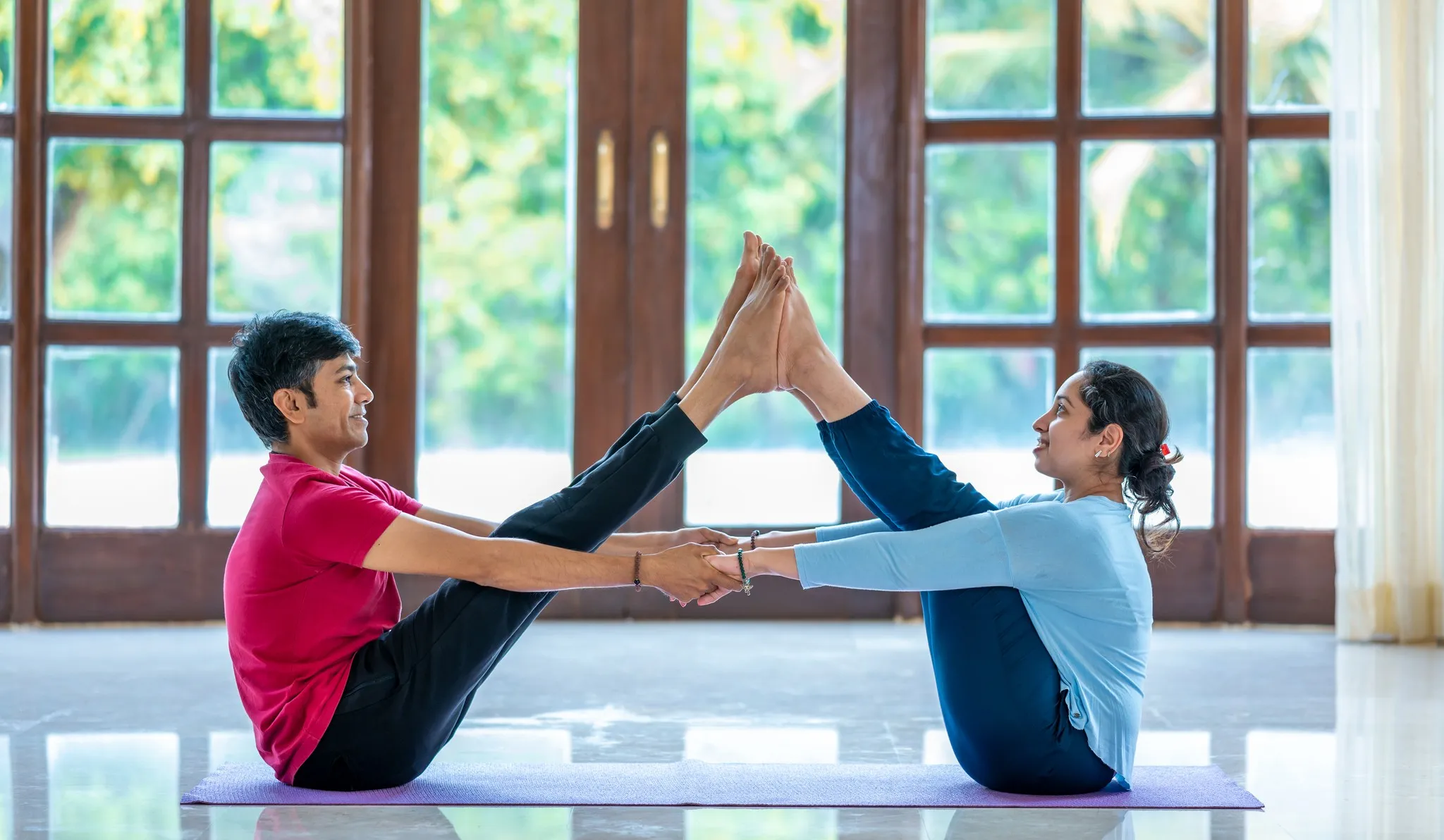
1️⃣ Seated Foot-to-Foot Balance
Sit facing each other with legs extended, soles touching. Hold hands and gently lean back until arms are straight.
Focus on:
- Engaging core muscles
- Keeping spine long
- Matching breath
This builds trust and introduces shared weight.
2️⃣ Standing Lean Away
Stand holding both hands, walk feet slightly back, and lean away while keeping hips aligned.
Feel how your partner’s support allows you to relax into the stretch.
3️⃣ Squat Counter Balance
From standing, slowly bend knees into a squat while leaning back. Keep heels grounded and chest open.
This strengthens legs and deepens connection.
Intermediate Flexibility Flow


4
As confidence grows, explore deeper shapes.
Backbend Counter Balance
Hold hands and lean back into a gentle backbend while your partner mirrors the movement.
Keep knees soft and core engaged.
Double Tree Balance
Stand side by side, inner arms around each other’s waist, outer legs lifted into tree pose. Lean slightly away for counter support.
This improves stability and focus.
Extended Arm Lean
Step farther apart and lower your torso slightly, creating a long diagonal line from feet to hands.
Feel the stretch through shoulders and spine.
Breathing: The Invisible Thread
In acro yoga, breath is your anchor.
Try synchronized breathing:
- Inhale together to lengthen
- Exhale together to settle deeper
Shared breath naturally coordinates timing and reduces tension.
Safety Tips for Counter Balances
- Start slowly — never rush transitions
- Communicate constantly
- Keep knees soft to absorb shifts
- Engage core muscles for stability
- Practice on a non-slip surface
- Stop if you feel pain (stretch sensation is okay, sharp pain is not)
Safety allows freedom — when you feel secure, you can explore more fully.
Emotional Benefits: More Than Movement


Partner balance often brings unexpected emotional shifts.
You may notice:
- Increased trust
- A sense of playfulness
- Deeper presence
- Shared accomplishment
- Stronger connection
Many practitioners describe counter balances as “moving meditation” — a way to feel seen and supported.
Creating Your Own Flow
Once you understand the basics, experiment with transitions:
- Move from seated balance to standing
- Add gentle twists
- Explore mirrored movements
- Play with timing — slow and fluid
Let creativity guide you. There’s no single “perfect” sequence — only exploration.
Common Challenges (and How to Overcome Them)
Fear of Falling
Start with small leans and gradually increase distance.
Uneven Strength
Adjust foot placement or grip to distribute effort.
Tight Muscles
Warm up longer and breathe deeply.
Coordination Difficulties
Slow down — flow comes with practice.
Remember: patience builds confidence.
A Simple 15-Minute Practice Plan
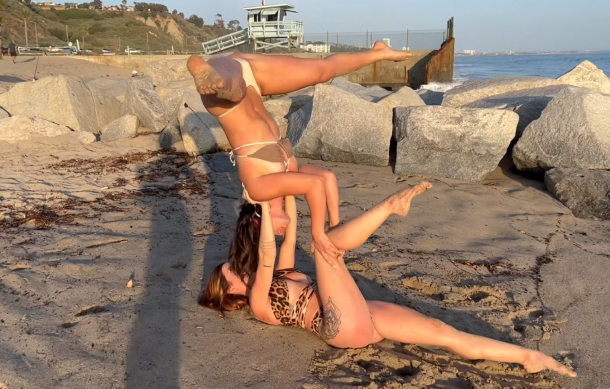
- Centering breaths — 2 minutes
- Warm-up stretches — 5 minutes
- Beginner counter balances — 5 minutes
- Free flow exploration — 3 minutes
Even short sessions can feel transformative.
The Philosophy of “2 Souls, 1 Flow”
At its heart, acro yoga is about unity — the recognition that balance is easier when shared. Counter balances remind us that support doesn’t weaken independence; it enhances it.
When two people lean away yet remain connected, they create a dynamic equilibrium — a metaphor for relationships, teamwork, and life itself.
You learn to trust your instincts, communicate clearly, and adapt gracefully.
Deepening Your Practice
To progress:
- Practice regularly
- Explore new variations
- Attend workshops or classes
- Reflect on each session
- Celebrate progress
Growth happens through curiosity and consistency.
Closing Ritual: Ground Together
End your session seated back-to-back.
Close your eyes and take slow breaths, feeling your partner’s presence. Notice the calm energy created through shared movement.
This simple ritual integrates the experience and leaves you centered.
Final Thoughts
Flexible acro yoga counter balances are a beautiful reminder that strength and softness can coexist. Through shared movement, you discover how connection transforms effort into flow, turning practice into a dance of trust and awareness.
“2 souls, 1 flow” is not about perfection — it’s about showing up, leaning in, and allowing balance to emerge naturally.
As you practice, you’ll find that the real magic isn’t just in the poses — it’s in the moments of laughter, the quiet breaths, and the unspoken understanding that grows with each session.
So step onto the mat, take your partner’s hands, and explore the gentle art of balancing together — where flexibility meets connection, and every movement becomes a shared journey.