The small workshop at the edge of town had always been filled with laughter.
Sunlight streamed through dusty windows, illuminating floating specks of sawdust like tiny stars. The scent of fresh wood lingered in the air, mixed with the faint metallic smell of tools that had been handled countless times. It was a place where ideas were born, mistakes were forgiven, and friendship grew stronger with every shared project.
For years, Arun and Vannak had worked side by side there.
They were more than friends—they were like brothers. From building simple stools to crafting intricate cabinets, they had learned together, failed together, and celebrated together. The sound of their laughter often echoed louder than the hum of the saw.
But on one quiet afternoon, something changed.
They were working on their most ambitious project yet—a beautifully carved wooden table commissioned by a local café. Every detail mattered, and both of them felt the pressure. Deadlines loomed, and the long hours had begun to wear on their patience.
Arun carefully measured a piece of wood while Vannak prepared to secure it in place. The workshop was unusually silent, tension hanging in the air like a storm waiting to break.
“Are you sure that measurement is right?” Vannak asked, his voice sharper than usual.
Arun paused. “I’ve checked it twice.”
Vannak frowned. “Last time you said that, we had to redo the whole panel.”
The words stung more than either expected.
“I said I checked it,” Arun replied, trying to keep his voice calm.
Vannak shrugged, picking up the hammer. “Just saying—we can’t afford another mistake.”
They continued working, but the easy rhythm they once shared was gone. Every movement felt cautious, every glance uncertain.
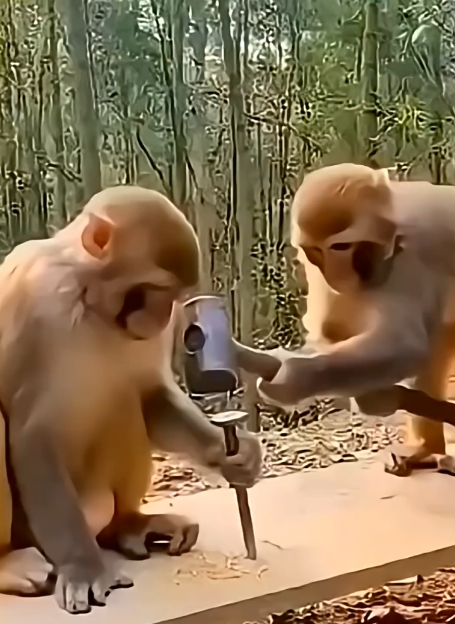
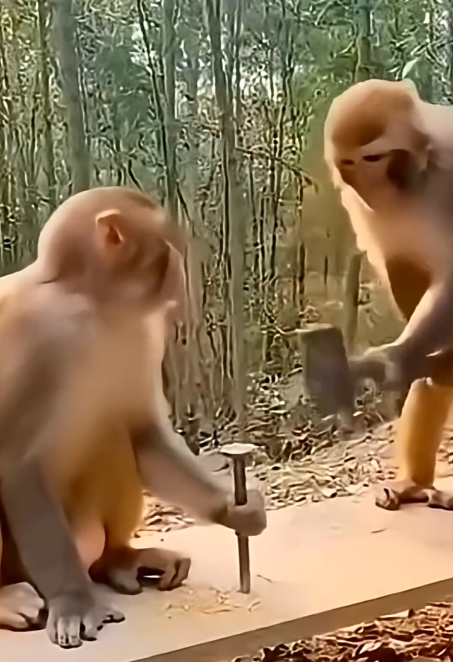
As Arun held the piece steady, Vannak raised the hammer to drive in a nail. At that exact moment, Arun shifted slightly to adjust the alignment.
The hammer came down with a loud crack.
Pain shot through Arun’s hand as the hammer struck his finger instead of the nail.
“Ah!” he cried, pulling back instinctively.
The room fell silent.
Vannak froze, eyes wide. “I— I didn’t see you move.”
Arun cradled his hand, anger flaring. “You weren’t paying attention!”
“I told you to hold it still!” Vannak shot back, his own frustration rising.
“It wouldn’t have happened if you hadn’t rushed,” Arun said through clenched teeth.
The argument escalated quickly, fueled by weeks of stress and unspoken irritation.
“One blow of the hammer, a big blow to friendship!” Arun snapped, his voice echoing off the workshop walls.
Vannak set the hammer down hard. “You think this is my fault?”
“Maybe if you trusted me—”
“Trusted you? After all the mistakes lately?”
The words hung heavy between them.
For the first time in years, they stood on opposite sides of the room, not as partners but as adversaries. The table project sat unfinished between them, a silent witness to their conflict.
Without another word, Arun grabbed his bag and walked out.
Days passed.
The workshop felt empty without their shared presence. Tools lay untouched, and the half-finished table gathered dust. Both men replayed the argument in their minds, each convinced of their own righteousness yet unable to ignore the lingering sadness.
Arun missed the easy conversations, the shared lunches, the quiet understanding that had always existed between them.
Vannak missed the laughter that once filled the room, the way they could solve problems together without saying a word.
One evening, as the sun dipped low, casting long shadows across the workshop floor, Vannak returned alone. He walked slowly around the room, running his hand over the unfinished table.
He sighed deeply.
Picking up the hammer, he examined it thoughtfully. How could a simple tool—something they had used countless times—become a symbol of their conflict?
Meanwhile, Arun sat at home, staring at a small wooden carving they had made years ago—a reminder of simpler days. The memory of their friendship weighed heavily on his heart.
Finally, unable to bear the silence any longer, Arun decided to visit the workshop.
When he opened the door, he found Vannak standing by the table.
For a moment, neither spoke.
“I’ve been thinking,” Vannak said quietly. “About what happened.”
Arun nodded. “Me too.”
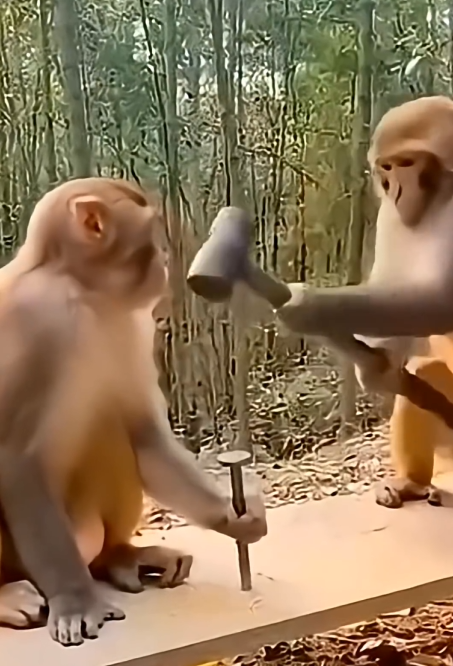
Vannak set the hammer down gently. “I’m sorry. I let stress get the better of me.”
Arun looked at his healing finger. “I’m sorry too. I shouldn’t have blamed you like that.”
They stood in silence, the tension slowly melting away.
“Do you remember when we built our first chair?” Arun asked with a faint smile.
Vannak chuckled softly. “It wobbled so much no one wanted to sit on it.”
They both laughed, the sound filling the workshop once more.
“Maybe,” Arun said, “one mistake doesn’t have to define everything.”
Vannak nodded. “Friendship is stronger than a hammer blow.”
Together, they returned to the table, working carefully, communicating openly, rediscovering the rhythm that had once come so naturally.
Each nail driven in was a reminder—not of conflict, but of understanding.
As the project neared completion, they stepped back to admire their work. The table stood solid and beautiful, a testament not only to craftsmanship but to reconciliation.
Outside, the evening sky glowed softly, and a gentle breeze carried the scent of fresh wood into the air.
Arun picked up the hammer and placed it carefully on the bench.
“Funny,” he said. “The same tool that caused the problem helped us finish the project.”
Vannak smiled. “It’s not the tool—it’s how we use it.”
They shared a quiet moment, grateful for the lessons learned.
Because sometimes, it only takes one careless moment to damage something precious—but it takes patience, humility, and forgiveness to rebuild it.
And in the warm glow of the workshop, surrounded by the echoes of their shared history, they understood that true friendship can withstand even the hardest blows… as long as both hearts are willing to mend. ❤️