The jungle was alive with its usual chaos—a symphony of sounds and movement that never truly ceased. Leaves rustled in the wind, birds called to one another from the treetops, and the faint scurrying of small creatures filled the undergrowth. Yet, amidst this vibrant energy, one figure commanded attention not through noise, but through presence.
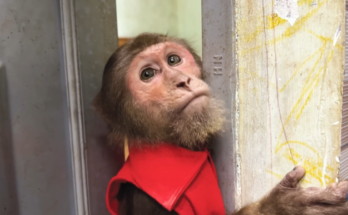
It was a big monkey, a robust and powerful figure with thick, tawny fur glinting in the sunlight. Its eyes, dark and intelligent, moved constantly, scanning the environment with precision. This was not a monkey who wandered aimlessly; it was a sentinel, a vigilant guardian, always alert to the slightest hint of danger or opportunity.
Perched high atop an ancient tree, the big monkey had the perfect vantage point over the troop below. Young monkeys scampered about, playing, fighting over scraps of fruit, and occasionally tumbling from the branches in a flurry of squeals. The big monkey watched silently, a mixture of patience, wisdom, and authority emanating from its massive form.
Every sound was registered: a twig snapping in the underbrush, a distant bird call, or even the rustle of leaves as a gentle wind passed through. Its ears twitched, and its gaze followed every movement, analyzing potential threats. Predators could be anywhere—a leopard crouched silently, a snake slithering through the brush, or even humans wandering too close to the forest’s heart. Vigilance was not a choice; it was survival.
The younger monkeys occasionally glanced upward, noticing the watchful eyes above. The big monkey’s presence reassured them, a constant reminder that someone was watching, guiding, and protecting. When one juvenile wandered too far or tried to snatch food from a rival, the big monkey moved with fluid precision to intervene. A bark, a quick leap, or even just the force of its gaze was enough to restore order.
Its vigilance was not only defensive but also instructive. Through observation, the younger monkeys learned how to survive. They mimicked its careful movements, how it balanced on a thin branch, how it paused before leaping, how it scanned the forest before making a decision. In the wild, knowledge passed down through example was as valuable as food or shelter.
A sudden commotion in the underbrush caught its attention. A group of monkeys had discovered a fallen fruit and were squabbling over it. The big monkey sprang into action, descending swiftly from the branch with graceful precision. The smaller monkeys froze, startled by its sudden appearance, and a tense silence settled over the clearing.
With a gentle yet firm motion, the big monkey separated the bickering juveniles, ensuring that each got a fair share without escalating into a fight. Its movements were deliberate, controlled, and calculated—a lesson in patience and fairness. For the big monkey, vigilance was as much about protecting the troop from themselves as it was from external threats.
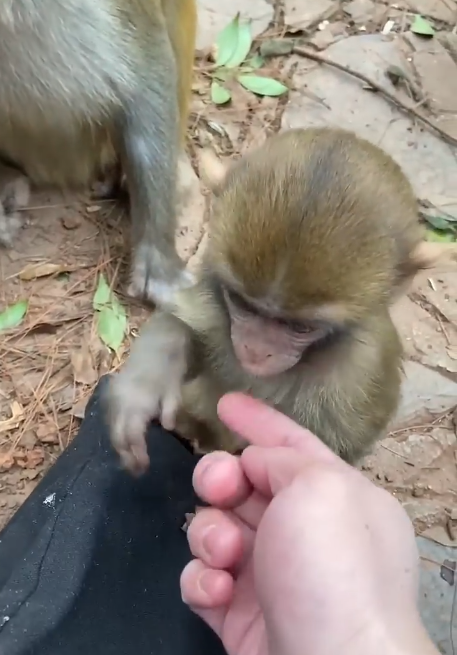
Once the situation was resolved, the big monkey climbed back to its perch, eyes scanning the forest once again. Even in moments of calm, it never fully relaxed. Vigilance was continuous, a state of being that required endurance, awareness, and discipline. Its muscles remained coiled, ready to spring into action at a moment’s notice.
The troop eventually moved toward a nearby river, and the big monkey led the way. Every step was careful, every branch tested for stability, every sound analyzed for potential threats. The river was essential for survival, but it also posed dangers. Crocodiles sometimes lurked near the banks, and slippery stones could cause accidents. The big monkey’s guidance ensured that the troop navigated safely, demonstrating the importance of foresight and awareness.
Even during moments of play, the big monkey remained attentive. Young monkeys swung from branches, chasing each other, tossing fruit, and wrestling. A playful tussle could easily escalate into injury, but the big monkey’s presence moderated the chaos. Its vigilance was protective, allowing the younger monkeys to explore and enjoy their environment without exposing themselves to unnecessary risk.
As the day wore on, the big monkey perched on a towering tree overlooking the river, its dark eyes scanning every movement below. A snake slithered along the bank, and with a sharp bark, the big monkey alerted the troop. Smaller monkeys froze, recognizing the warning. The snake passed harmlessly by, but the lesson was clear: vigilance can prevent disaster before it strikes.
Throughout the day, the big monkey’s watchfulness ensured the troop’s survival. Its eyes registered every motion, every sound, every change in the environment. It monitored social interactions within the troop, ensuring harmony and preventing conflicts. Aggression, even among members of the same group, could lead to injury or vulnerability. By maintaining awareness, the big monkey safeguarded both individuals and the group as a whole.
As evening approached, the troop settled into a safer area of the forest. The big monkey took its place on a high branch, overlooking the group as shadows lengthened. Its tail curled around the branch, muscles coiled and ready, eyes never leaving the surroundings. Nightfall in the jungle brought new threats: owls, nocturnal predators, and unfamiliar sounds that could signal danger. Even in moments of rest, the big monkey’s vigilance never wavered completely.
The role of the big monkey was not glamorous. It did not indulge in playful frolics or rest for long stretches. Its days were filled with observation, intervention, and decision-making. Yet its presence was vital. The troop depended on its alertness, its intelligence, and its unwavering attention. Survival in the wild was never guaranteed, but with a vigilant guardian, the odds improved significantly.
At dawn, the jungle awoke once again. Birds sang, insects buzzed, and the forest stirred with activity. The big monkey was already awake, perched high and scanning its surroundings. Hunger was present, but the safety of the troop remained the priority. Awareness came first; sustenance could wait.
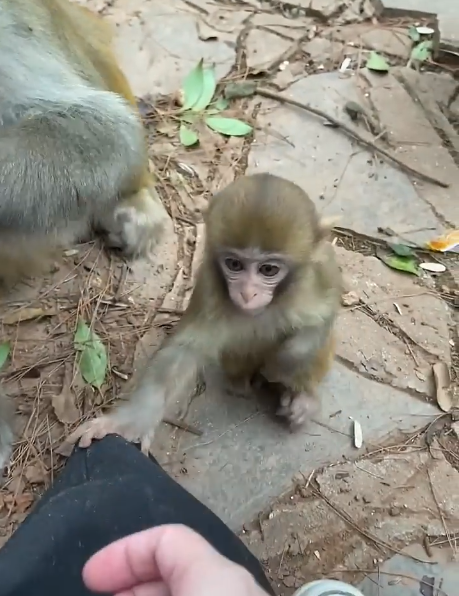
A rival troop entered the area, and the big monkey immediately reacted. Its bark echoed through the forest, signaling the troop and asserting dominance over the territory. Tension was high, but the alertness of the big monkey ensured that the encounter remained controlled. Knowledge, confidence, and vigilance prevented unnecessary conflict.
Throughout the day, this cycle repeated. Observation, intervention, guidance, and protection formed the core of the big monkey’s existence. Every movement in the forest mattered; every sound carried information. Its vigilance allowed the troop to eat, play, and explore while minimizing risks, demonstrating that survival depended as much on awareness as on strength.
Even in moments of apparent calm, the big monkey maintained its watchful posture. Its eyes scanned the canopy, tail coiled for balance, muscles ready to leap. Younger monkeys played and learned, observing their guardian, absorbing lessons in caution and patience. The jungle was full of challenges, but under the guidance of the big monkey, the troop navigated each day safely.
As night fell, the forest quieted. The big monkey remained perched on its high branch, the dark eyes reflecting the last rays of sunlight. Vigilance had carried the troop through another day, ensuring safety, cohesion, and the ability to thrive. Rest was deserved, but it was measured and brief, for the responsibilities of guardianship never truly ended.
In the jungle, life was unpredictable, and danger was ever-present. Yet the big monkey, through constant awareness, intelligence, and patience, ensured that the troop not only survived but thrived. Vigilance was more than observation—it was protection, teaching, and leadership. The big monkey embodied all of these qualities, a living testament to the importance of attentiveness, strategy, and care in the wild.
The troop slept, secure in the knowledge that their guardian remained alert, and the jungle continued its eternal rhythm. The big monkey, vigilant even in repose, was a symbol of strength, wisdom, and the critical role that awareness plays in survival. In every glance, every movement, every sharp bark, the lesson was clear: vigilance saves lives, protects the vulnerable, and ensures that life in the jungle continues, day after day.