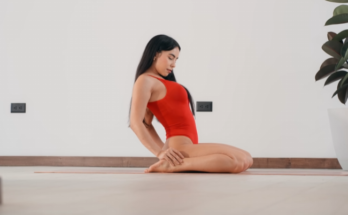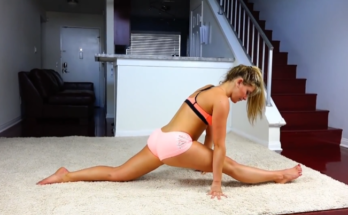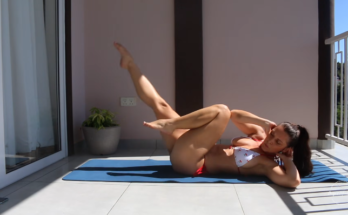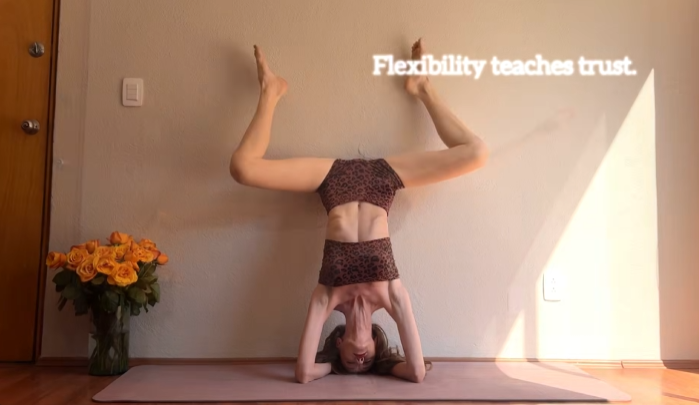
There’s something undeniably powerful about mastering your own body. When you can balance upside down in a steady handstand, glide smoothly into a full split, and hold strong core positions without shaking — that’s next-level control. Handstands, splits, and core strength are not just flashy skills for social media. They represent discipline, balance, flexibility, and total-body strength working together.
If you’ve ever dreamed of moving with confidence, strength, and flexibility, this trio is the ultimate goal. Let’s break down why these three elements complement each other so perfectly — and how you can train them safely and effectively.
The Power of Handstands

4
Handstands are more than just an impressive trick. They require:
- Shoulder strength
- Core engagement
- Wrist stability
- Balance awareness
- Mental focus
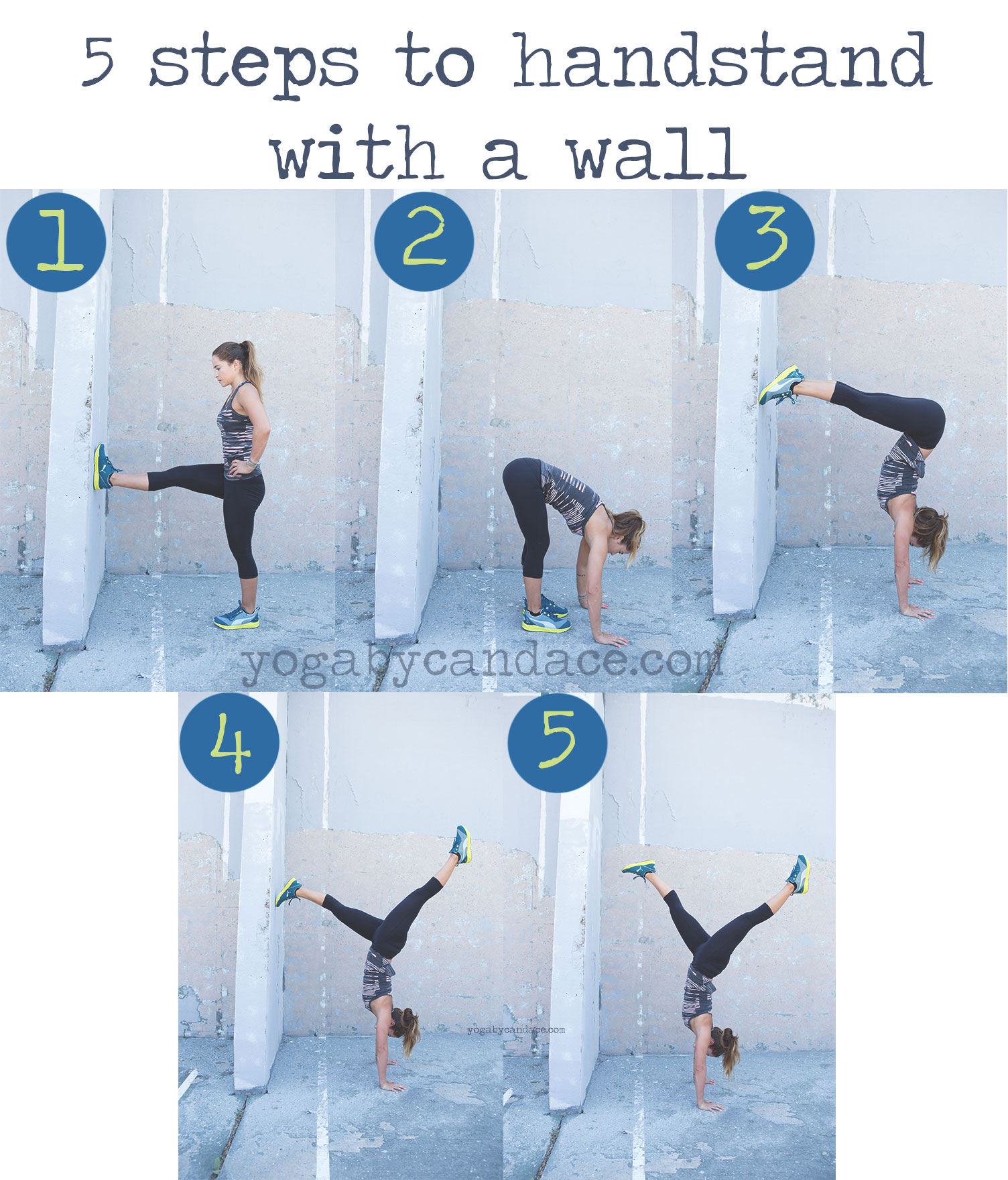
When you flip upside down, gravity challenges your entire body. Every muscle must work together to stay aligned. Your shoulders press strongly into the ground, your core tightens to prevent arching, and your legs stay engaged to maintain a straight line.
At first, handstands can feel intimidating. The fear of falling is real. That’s why starting against a wall is a smart approach. Wall-supported handstands build confidence and allow you to focus on form before attempting freestanding balance.
The key cues for a strong handstand:
- Push the floor away
- Keep ribs tucked
- Engage glutes
- Point toes
- Breathe steadily
Consistency turns shaky seconds into solid holds.
The Beauty of Splits
4
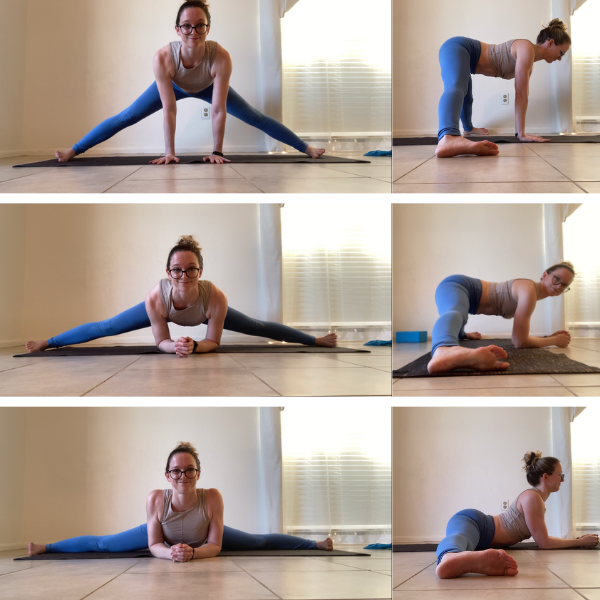
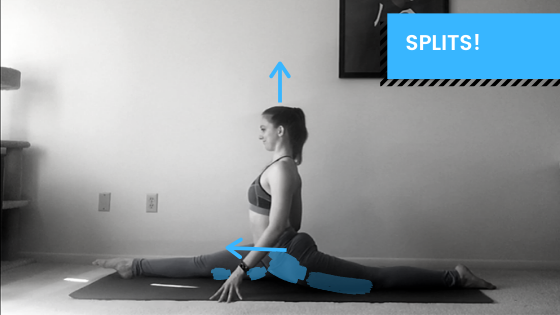
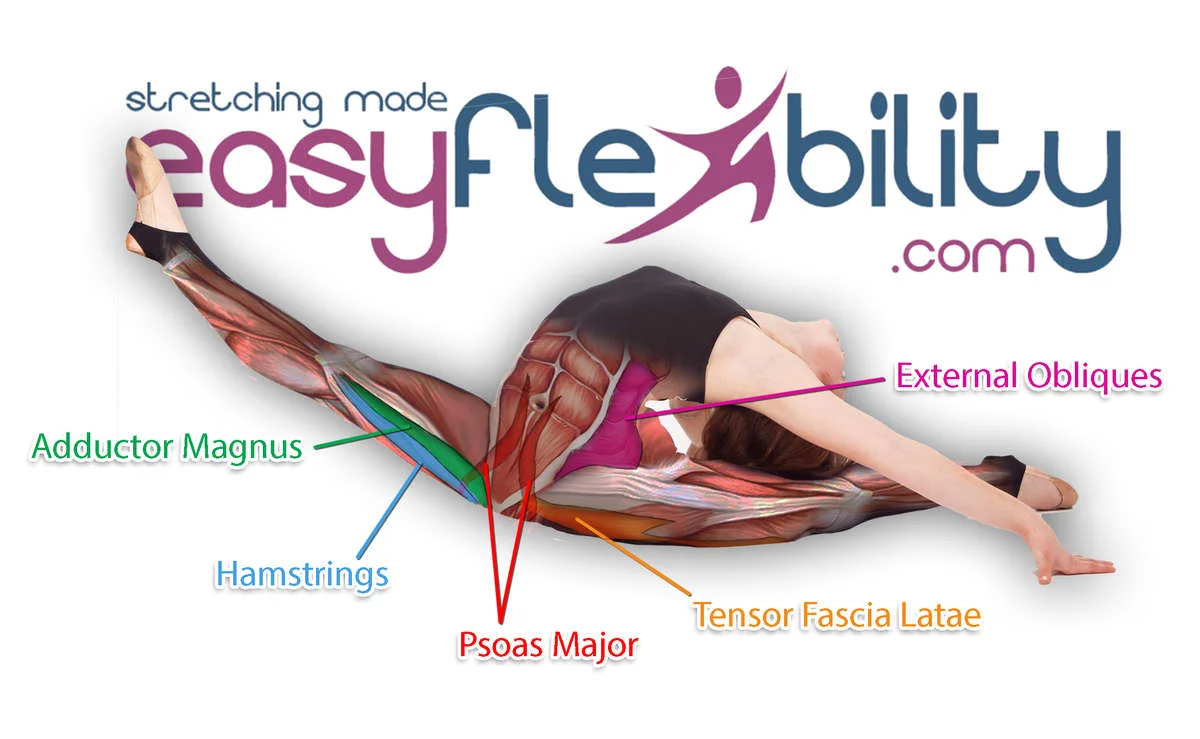
Splits showcase flexibility at its finest. Whether it’s a front split or middle split, achieving full extension requires patience and dedication.
The main muscles involved:
- Hamstrings
- Hip flexors
- Adductors (inner thighs)
- Glutes
Many people underestimate how much strength is required to hold a split properly. It’s not about collapsing into the floor. It’s about actively engaging muscles to protect the joints and maintain alignment.
To improve splits:
- Warm up thoroughly
- Stretch consistently (4–6 times per week)
- Combine static holds with active flexibility drills
- Breathe deeply to relax tension
Progress may be slow at first, but each inch gained is a victory. Over time, your hips open, your mobility increases, and your confidence grows.
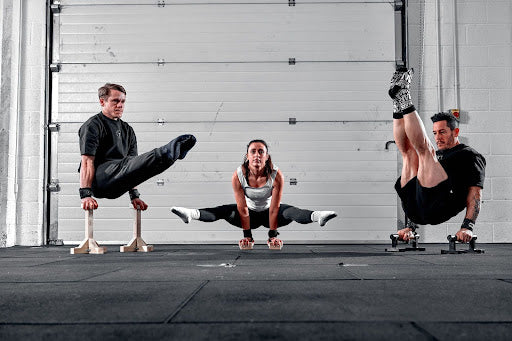
Core Strength: The Foundation of Everything 🔥


4
Without a strong core, handstands collapse and splits lack stability. Your core includes more than just abs — it involves:
- Rectus abdominis
- Transverse abdominis
- Obliques
- Lower back
- Deep stabilizing muscles
Core strength keeps your body controlled and balanced.
Top core exercises for handstands and splits:
1. Plank Variations
Builds endurance and stability.
Hold 30–60 seconds.
2. Hollow Body Hold
Trains the exact alignment needed for handstands.
Keep lower back pressed to the floor.
3. Leg Raises
Strengthens hip flexors and lower abs.
Control the movement — no swinging.
4. Side Planks
Improves lateral stability for split control.
Training your core 3–4 times per week accelerates progress in both flexibility and balance.
Why These Three Work So Well Together
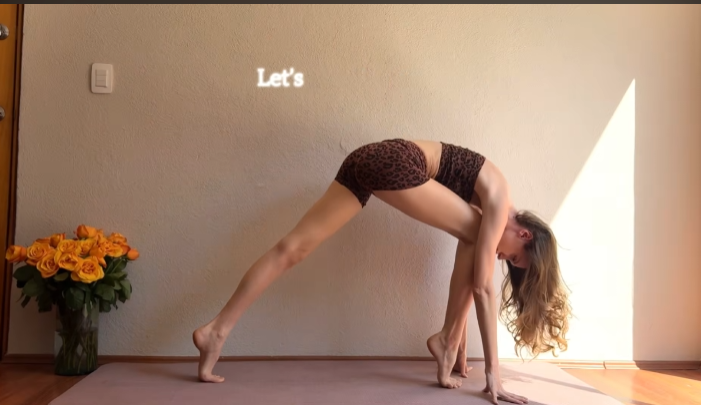
Handstands require flexibility in shoulders and hamstrings. Splits benefit from core strength to prevent overextension. Core strength improves both balance and injury prevention.
When you combine:
- Balance (handstands)
- Flexibility (splits)
- Stability (core training)
You build a well-rounded, athletic body.
This combination enhances:
- Posture
- Coordination
- Body awareness
- Athletic performance
- Confidence
It’s not about extremes. It’s about control.
Sample 20-Minute Training Flow
If you want to start incorporating all three, try this mini routine:
Warm-Up (5 Minutes)
- Jumping jacks
- Arm circles
- Hip openers
- Light lunges
Core Activation (5 Minutes)
- 30-second plank
- 30-second hollow hold
- 10 slow leg raises
Repeat twice.
Handstand Practice (5 Minutes)
- Wall handstand holds (20–40 seconds)
- Focus on straight alignment
- Rest between attempts
Split Stretching (5 Minutes)
- Butterfly stretch
- Deep lunges
- Straddle stretch
- Controlled split attempt hold
Consistency matters more than intensity. Short daily sessions beat occasional long workouts.
Mental Strength & Confidence
Training handstands and splits isn’t just physical — it’s mental.
Handstands challenge fear.
Splits challenge patience.
Core work challenges endurance.
Progress often feels slow. Some days you’ll feel strong and stable. Other days, balance will disappear and flexibility will feel tight. That’s normal.
Growth isn’t linear.
The key is showing up consistently.
Every second upside down builds resilience.
Every inch deeper in a split builds determination.
Every plank hold builds discipline.
That mindset carries into other areas of life.
Safety First
To train safely:
- Warm up thoroughly
- Never force a split
- Avoid arching excessively in handstands
- Strengthen wrists and shoulders
- Take rest days
Pain is not progress. Discomfort is normal. Sharp pain is a warning sign.
Recovery is essential. Stretch gently on off-days and prioritize sleep.
Tracking Progress
Motivation increases when you see improvement.
Ways to track progress:
- Record handstand hold times
- Take monthly flexibility photos
- Note how controlled your core exercises feel
- Measure split depth with yoga blocks
Celebrate small wins. Five extra seconds in a handstand is progress. One inch lower in a split is progress.
The 🔥 Factor
Why are handstands, splits, and core strength considered “fire”?
Because they represent power and grace combined.
A strong handstand radiates control.
A full split radiates flexibility.
A solid core radiates strength.
Together, they create athletic elegance.
And the best part? These skills are achievable with patience and smart training. You don’t need a gym membership. You need discipline and consistency.
Final Thoughts
Handstands, splits, and core strength form a powerful trio. They challenge your body in different ways but complement each other perfectly. Strength supports flexibility. Flexibility enhances balance. Balance improves control.
Whether your goal is athletic performance, dance, gymnastics, calisthenics, or simply feeling strong in your own body, this combination delivers results.
Start where you are.
Be consistent.
Train smart.
Stay patient.
The journey may be challenging — but when you finally hold that steady handstand, slide into that clean split, and feel your core rock-solid beneath you…
That’s when you truly feel the 🔥.