There are moments in time when something ancient suddenly feels perfectly modern. Yoga is having one of those moments. Not because it has changed its essence, but because the world has finally caught up to why it exists. Right now—with lives moving fast, screens glowing late into the night, bodies stiff from sitting, and minds overloaded with noise—yoga is looking really, really good.
Yoga doesn’t shout. It doesn’t rush. It doesn’t demand perfection. And that alone makes it stand out in a culture obsessed with speed, comparison, and constant output. While trends come and go, yoga quietly stays, reminding us that the body is not a machine and the mind is not meant to be constantly “on.” In a time when burnout feels normal, yoga feels like relief.
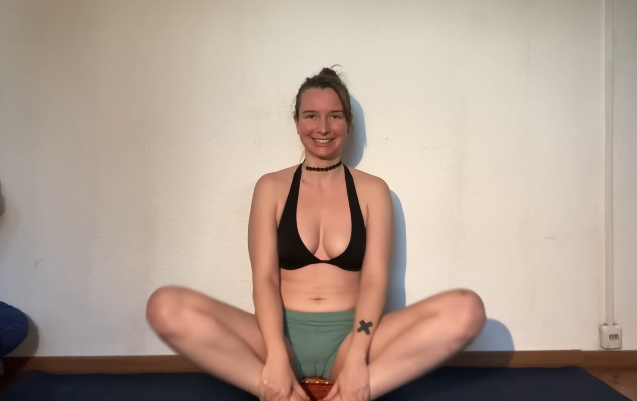
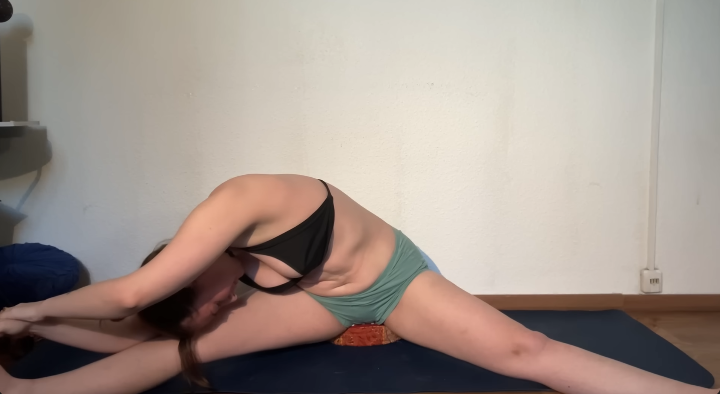
At first glance, yoga looks good physically. Open any social platform and you’ll see strong arms holding steady in plank, long lines in warrior poses, effortless balances against sunlit windows. But what makes yoga truly attractive right now goes far deeper than flexibility or aesthetics. The real beauty of yoga is that it meets people exactly where they are—and asks nothing more than honesty and breath.
Modern life has pulled us out of our bodies. We live in our heads, jumping from thought to thought, notification to notification. Yoga brings us back. The moment you step onto a mat, something shifts. Your breath becomes louder than your thoughts. Your body becomes more important than your to-do list. For many people, that hour of practice is the only time in the day when they are fully present. That’s powerful.
Yoga is also looking good because it’s inclusive. You don’t need to be young, flexible, rich, or experienced. You don’t need fancy equipment or a perfect body. Yoga doesn’t care about your background or your past. Whether you’re stiff, tired, healing, or starting over, yoga says: come as you are. That message feels especially meaningful in a world that constantly tells people they are not enough.
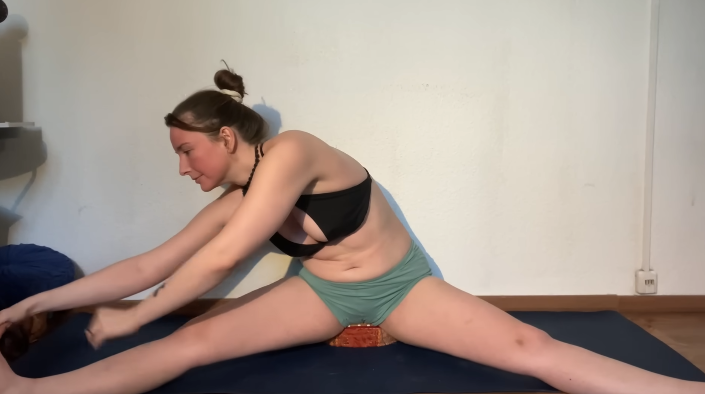
There’s also a quiet rebellion in choosing yoga right now. In a fitness culture that often glorifies pushing harder, lifting heavier, and ignoring pain, yoga encourages listening. It teaches you the difference between discomfort and harm. It reminds you that rest is not weakness and slowing down is not failure. That philosophy feels refreshing—and necessary.
Emotionally, yoga has never been more relevant. Anxiety, stress, and overwhelm have become common experiences rather than exceptions. Yoga doesn’t promise to erase those feelings, but it teaches people how to sit with them, breathe through them, and move without running away. Over time, that practice builds resilience. You begin to trust yourself—not because life is easy, but because you know how to stay grounded when it isn’t.
The breath, often overlooked, is one of yoga’s greatest gifts. Breathing deeply and consciously sounds simple, almost too simple, yet it changes everything. It calms the nervous system, slows the heart rate, and creates space in the mind. In a world where many people barely breathe past their chest, yoga teaches full, intentional breathing—and with it, a sense of control in chaos.
Yoga is also evolving without losing its roots. Today, you can find gentle flows, power yoga, yin, restorative, trauma-informed classes, and practices designed for athletes, seniors, or complete beginners. This diversity doesn’t dilute yoga; it strengthens it. It proves that yoga is not rigid or exclusive—it’s adaptable, alive, and responsive to real human needs.
Another reason yoga looks so good right now is its honesty. On the mat, there’s nowhere to hide. You can’t fake balance. You can’t rush through a breath without feeling it. Yoga reveals patterns—how you react to challenge, how you treat yourself when something is hard, how quickly you judge your own limitations. And in noticing those patterns, you gain the chance to change them.
Yoga also creates connection in a disconnected world. Practicing in a room with others, moving and breathing together, creates a quiet sense of belonging. Even when practiced alone, yoga connects you to something deeper—your body, your breath, the present moment. That connection is something many people are craving, even if they don’t know how to name it.
There is beauty in yoga’s patience. Progress is not instant, and that’s the point. Poses unfold over weeks, months, sometimes years. Strength builds slowly. Flexibility arrives when the body is ready, not when the ego demands it. In a culture of instant results, yoga teaches trust in the process. It reminds us that meaningful change takes time.
Yoga is also looking good because it doesn’t end when the mat is rolled up. The awareness you build follows you into daily life. You notice how you stand, how you sit, how you react. You pause before responding. You breathe before speaking. Yoga becomes less about poses and more about how you move through the world.
For many, yoga becomes a form of self-respect. Choosing to practice is choosing to listen to your body instead of ignoring it. It’s choosing nourishment over punishment, curiosity over judgment. That mindset can quietly reshape how people relate to food, work, relationships, and themselves.
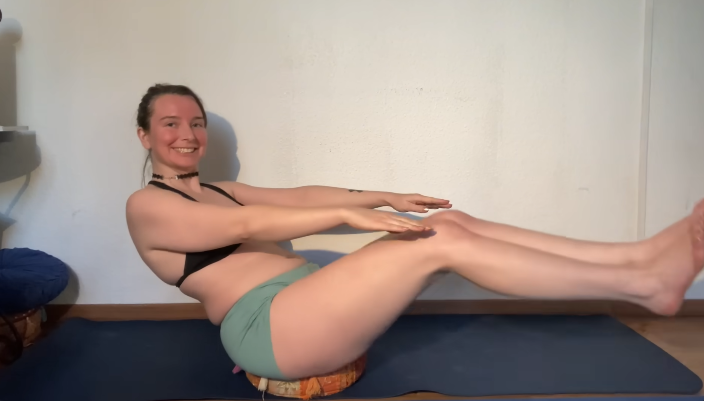
Even spiritually—without being tied to any single belief system—yoga offers something grounding. It asks big questions gently: Who are you beneath the noise? What happens when you stop striving? Can you be present without fixing anything? These questions feel especially relevant in uncertain times, when external answers are often unreliable.
Yoga is not about escaping reality. It’s about meeting reality with steadiness. That’s why it feels so right right now. When the world feels loud, yoga is quiet. When everything feels rushed, yoga is slow. When life feels heavy, yoga reminds you to breathe.
Perhaps the reason yoga is looking so good right now is because it has always been good—timeless, steady, and human. We’re just finally ready to see it clearly. In choosing yoga, people aren’t chasing a trend; they’re choosing balance, awareness, and care in a world that desperately needs all three.
Right now, yoga isn’t just an exercise. It’s a pause. A practice. A reminder. And honestly? It’s never looked better.