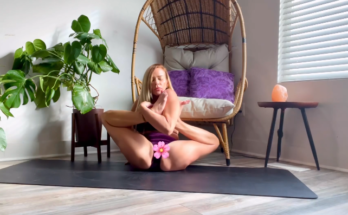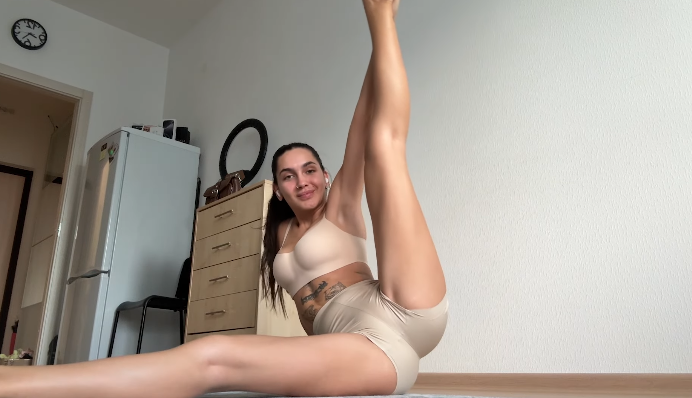
In a world where schedules are packed, gyms are crowded, and motivation sometimes comes and goes, working out at home has become more than just a trend—it’s a lifestyle. Among the many ways to stay fit without stepping outside, gymnastics-style workouts at home stand out as one of the most effective, flexible, and rewarding approaches to physical training. Combining strength, flexibility, balance, and body control, home gymnastics workouts offer a complete fitness solution that fits any space, any time, and almost any fitness level.
The Beauty of Home Gymnastics
Gymnastics is often associated with professional athletes, competition mats, and impressive flips. But at its core, gymnastics is about mastering your own body. It focuses on fundamental movement patterns—pushing, pulling, jumping, balancing, bending, and holding positions—that are essential for overall health. When adapted for home workouts, gymnastics becomes accessible, safe, and incredibly effective.
Unlike traditional gym routines that rely heavily on machines or weights, home gymnastics workouts primarily use bodyweight. This makes them ideal for beginners who want to build a foundation, as well as advanced athletes who want to refine strength and control. All you need is a small space, a mat or soft surface, and the willingness to move.
Benefits of Gymnastics & Home Workouts
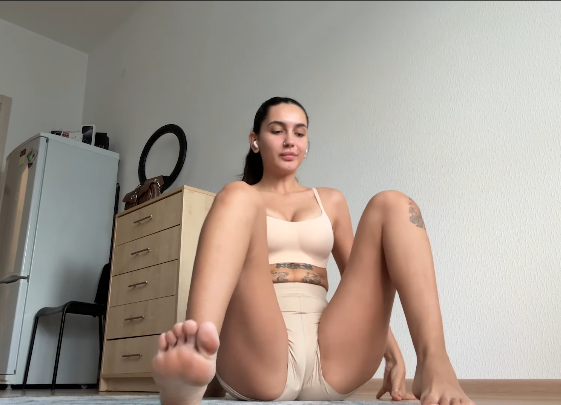
One of the biggest advantages of gymnastics-style training is that it develops functional strength. This means you’re not just building muscle for appearance—you’re training your body to move better in everyday life. Simple actions like lifting objects, climbing stairs, or maintaining good posture become easier and safer.
Flexibility is another major benefit. Many home workouts neglect stretching, but gymnastics naturally integrates flexibility and mobility into training. Over time, joints become more mobile, muscles lengthen, and stiffness decreases. This is especially important for people who sit for long hours at work or school.
Balance and coordination also improve significantly. Gymnastics movements challenge your sense of body awareness, helping you control motion with precision. This reduces the risk of injury and enhances performance in other sports or physical activities.
Lastly, there’s a mental benefit. Training at home builds discipline and self-motivation. Each small improvement—holding a plank longer, achieving a deeper stretch, or mastering a new movement—boosts confidence and creates a strong mind-body connection.
Setting Up Your Home Workout Space
You don’t need a large room or expensive equipment to start. A clear area of about two to three square meters is usually enough. Remove obstacles, ensure the floor is not slippery, and use a yoga mat or soft carpet to protect your joints.
Optional equipment can include resistance bands, a pull-up bar for a doorway, or small parallettes, but none of these are required at the beginning. Your body is the primary tool.
Equally important is the atmosphere. Good lighting, fresh air, and comfortable clothing can make a big difference. Some people enjoy music for motivation, while others prefer silence to focus on breathing and movement. Choose what helps you stay consistent.
Warm-Up: The Foundation of Every Session
A proper warm-up is essential, especially in gymnastics-style workouts. It prepares your muscles, lubricates your joints, and reduces the risk of injury.
Start with light cardio movements such as jogging in place, jumping jacks, or marching for five minutes to increase your heart rate. Follow this with joint rotations—neck, shoulders, elbows, wrists, hips, knees, and ankles. Then move into dynamic stretches like arm swings, leg swings, and gentle lunges.
This warm-up phase should take about 10–15 minutes and should never be skipped. Think of it as setting the stage for a strong and safe workout.
Core Gymnastics Exercises at Home
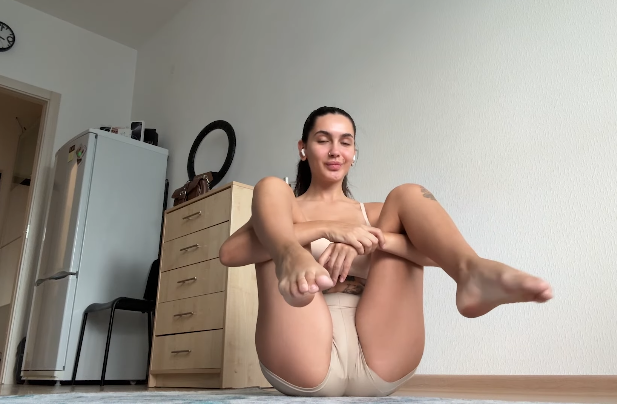
The core is central to gymnastics. Almost every movement depends on core strength and stability. Exercises like planks, hollow body holds, and leg raises are staples of home gymnastics training.
A basic plank trains your entire midsection while also engaging the shoulders and legs. Hollow body holds teach you to stabilize your spine and control your body shape—an essential gymnastics skill. As you progress, you can increase duration or add movement to make these exercises more challenging.
Upper body strength can be developed through push-ups, pike push-ups, and handstand progressions against a wall. These exercises build strong shoulders, arms, and chest muscles while also improving balance and coordination.
Lower body workouts include squats, lunges, glute bridges, and jump squats. Gymnastics emphasizes explosive power as well as control, so combining slow, controlled movements with dynamic jumps creates well-rounded leg strength.
Flexibility and Mobility Training
Flexibility is not optional in gymnastics—it’s a necessity. Home workouts should always include a dedicated stretching segment, either at the end of the session or as a separate routine.
Focus on hips, hamstrings, shoulders, and spine. Simple stretches like forward folds, butterfly stretches, hip flexor lunges, and shoulder openers can dramatically improve mobility over time. Consistency is more important than intensity; gentle daily stretching often produces better results than occasional extreme efforts.
Mobility drills, such as deep squats with movement or controlled spinal waves, help maintain joint health and smooth movement patterns. These exercises are especially beneficial for preventing stiffness and discomfort.
Creating a Balanced Home Workout Routine
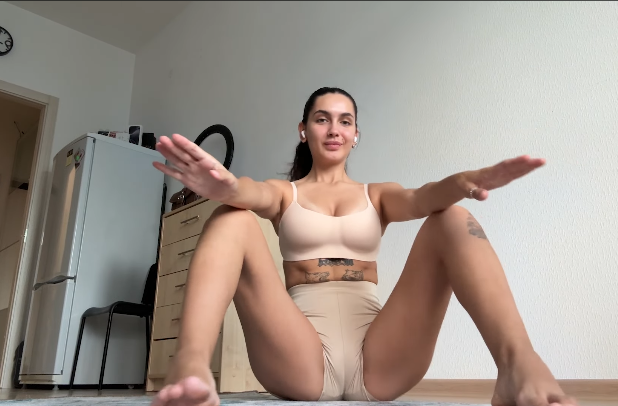
A balanced home gymnastics routine usually includes four key parts: warm-up, strength training, skill or balance work, and stretching.
For beginners, workouts can be as short as 30 minutes. Intermediate and advanced practitioners may train for 45 to 60 minutes. The key is quality over quantity—focus on proper form, controlled breathing, and mindful movement.
You might train strength on some days and flexibility on others, or combine both in one session. Listening to your body is crucial. Rest days are just as important as training days, allowing muscles to recover and grow stronger.
Staying Motivated at Home
One of the biggest challenges of home workouts is motivation. Without a coach or gym environment, it’s easy to skip sessions. Setting clear goals can help. These goals don’t have to be dramatic—they can be as simple as improving posture, increasing flexibility, or completing workouts three times a week.
Tracking progress is also powerful. Take notes, photos, or short videos to see how far you’ve come. Even small improvements are worth celebrating.
Finally, remember that fitness is a journey, not a race. Some days will feel great, others less so. What matters most is showing up consistently and being kind to your body.
Conclusion
Gymnastics and workouts at home offer a powerful combination of strength, flexibility, balance, and mental focus. They require minimal equipment, adapt to any fitness level, and fit seamlessly into modern life. More than just exercise, they teach discipline, body awareness, and self-confidence.
By committing to regular home training, you’re not just building a stronger body—you’re creating a healthier lifestyle rooted in movement, balance, and resilience. Whether you’re a beginner taking your first steps or an experienced athlete refining your skills, home gymnastics workouts can support you every step of the way.