The road was narrow and cracked, stretching through fields that had long forgotten rain. Heat shimmered above the asphalt, and dust clung to the air with every passing vehicle. It was the kind of road drivers hurried through, eyes forward, minds already elsewhere.
That was why no one noticed the dog at first.
He burst from the roadside bushes suddenly, thin legs pumping hard, nails scraping desperately against the asphalt. His ribs showed through his dirty fur, his tail held low but wagging with frantic hope. He ran not in anger, not in play—but in pure desperation.
The car was already moving fast.
The driver saw him in the side mirror and frowned. “What the—?” He eased off the gas, confused, as the dog gained ground. The animal barked—not sharp or threatening, but cracked and hoarse, as if his voice had been worn thin by too much crying and not enough water.
He was chasing the car.
Every few steps, the dog stumbled, nearly falling beneath the tires. Still, he pushed forward, eyes locked on the vehicle as if it were the last lifeline in the world. His mouth opened and closed, silent pleas escaping in labored breaths.
Please.
Don’t leave.
Help me.
The driver slowed further, heart pounding now. He rolled down the window and shouted, “Go on! Get out of the road!”
The dog didn’t stop.
Instead, he surged forward again, pulling alongside the car just long enough for the driver to see his face clearly.
And that was when everything changed.
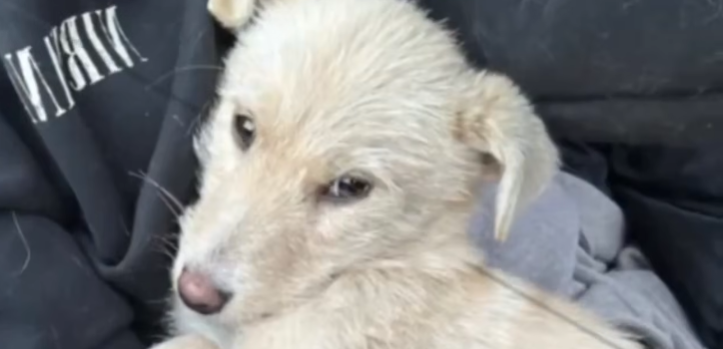
One eye was swollen shut. Blood streaked his neck and chest, dried and dark. His body was shaking—not from excitement, but from pain and exhaustion. Yet even then, he looked up at the driver, tail wagging weakly, as if apologizing for the trouble.
“I can’t believe this,” the driver muttered, pulling over.
The moment the car stopped, the dog collapsed.
He dropped hard onto the hot asphalt, sides heaving, legs folding beneath him like they no longer belonged to him. He didn’t try to get up. He just lay there, eyes still fixed on the open door of the car.
He had made it.
The driver jumped out, panic rising. “Hey, hey… stay with me, buddy,” he said, kneeling beside the dog. Up close, the condition was worse than he’d imagined. The dog was skeletal. Dehydrated. Covered in wounds—some fresh, others old and infected.
But when the driver reached out, the dog didn’t flinch.
He pressed his head weakly into the man’s hand.
The driver’s throat tightened. He pulled off his jacket and spread it on the ground, carefully lifting the dog onto it. The dog whimpered softly but didn’t resist. He seemed to understand that help had finally arrived.
“I’ve got you,” the driver whispered, voice breaking. “I’ve got you now.”
The nearest veterinary clinic was miles away.
The drive felt endless. Every bump in the road made the driver wince, glancing anxiously at the back seat where the dog lay wrapped in the jacket. The dog’s eyes fluttered open and closed, but each time the car slowed, his tail thumped faintly, as if reassuring the man that he was still there.
At the clinic, chaos erupted.
“He needs fluids—now!”
“Get oxygen!”
“Careful with that leg!”
The dog was rushed inside, the driver left standing helplessly in the waiting room, hands stained with blood and dirt. Minutes stretched into hours. He replayed the chase in his mind—the way the dog had run as if his life depended on it.
Because it had.
Finally, a vet emerged, exhaustion etched into her face.
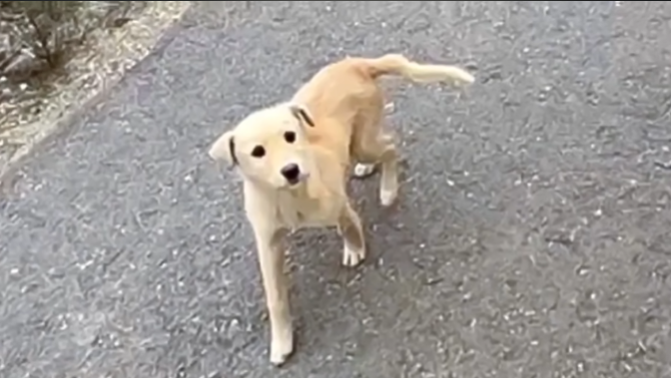
“He’s lucky you stopped,” she said. “Another ten minutes… maybe less, and he wouldn’t have made it.”
The dog had been hit by a vehicle days earlier. His leg was fractured. Infection had set in. He was severely anemic and dangerously dehydrated. And yet—despite everything—he had found the strength to chase a moving car.
“He knew,” the vet continued quietly. “Somehow, he knew you were his chance.”
Treatment began immediately. The dog stayed at the clinic under constant care. The driver visited every day, though at first he told himself he was “just checking in.”
But the dog remembered him.
The first time the driver returned, the dog lifted his head weakly and wagged his tail so hard it thumped against the kennel wall. A sound escaped his throat—not quite a bark, not quite a cry—but full of recognition.
Recovery was slow and uncertain.
The broken leg required surgery. The infections required antibiotics. His body had to relearn how to trust food, water, rest. There were setbacks—fevers, sleepless nights, moments when the vet warned, “He’s not out of danger yet.”
But the dog fought.
He fought the way he had run—without complaint, without giving up.
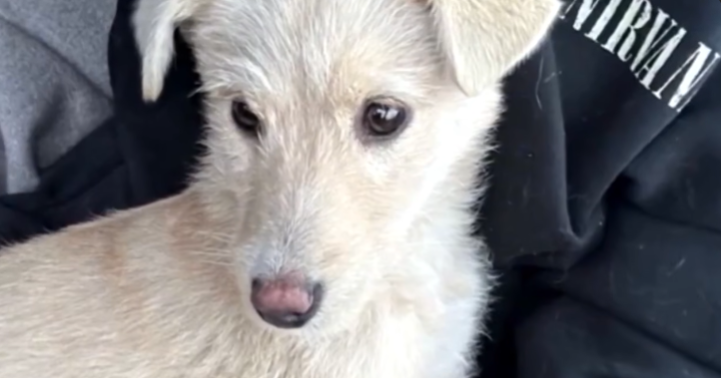
Weeks later, the dog stood again on all four legs, thin but steady. His wounds healed. His eye reopened, clear and bright. His coat began to shine beneath regular meals and gentle care.
One afternoon, the vet handed the driver a leash.
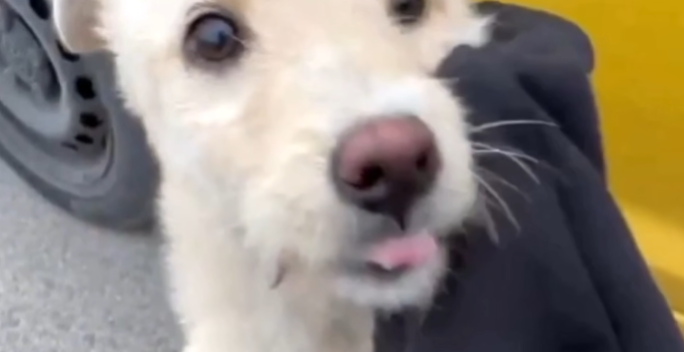
“He’s ready,” she said softly. “For a home.”
The driver swallowed hard. “I don’t know if I’m ready,” he admitted.
The dog walked straight to him and sat, tail wagging, eyes shining with certainty.
That settled it.
The first night at home, the dog followed the driver from room to room, never letting him out of sight. When the man finally sat on the couch, the dog climbed up beside him and rested his head on his knee, sighing deeply.
Safe.
Sometimes, on walks, the dog still sped up when he saw cars. But now he didn’t chase. He simply watched, tail wagging, as if remembering the day one stopped—and changed everything.
He had chased a car, pleading for help.
What happened next was unbelievable—but for the dog, it was simple.
He ran toward hope.
And this time, hope stopped.