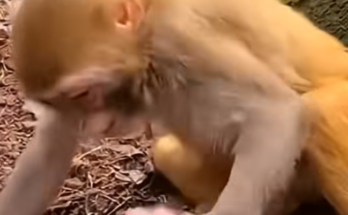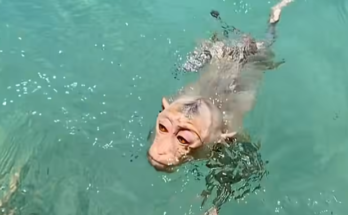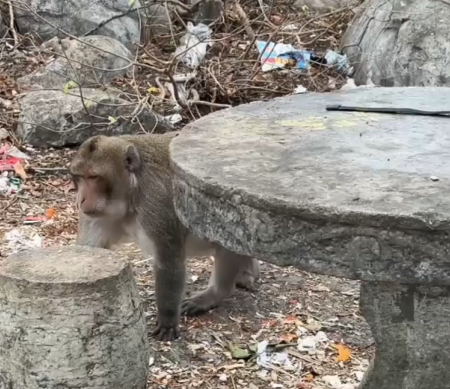
Monkeys are some of the most intelligent and curious creatures in the animal kingdom. With their dexterous hands, sharp minds, and social intelligence, they can perform actions that often surprise humans. Among the most common questions people ask when observing monkeys is: Can a monkey steal? The answer, in many ways, is yes—but understanding why and how they do it requires a closer look at their behavior, instincts, and environment.
Intelligence and Curiosity
Monkeys are naturally curious animals. From the moment they are born, they explore their surroundings with intense interest. Every leaf, stone, and object is examined, touched, and sometimes carried along. This curiosity often leads them into trouble, but it is also a key factor in their survival.
When a monkey takes an item that does not belong to it, humans often label it as “stealing.” However, in the wild, this behavior is not driven by malice but by natural instincts. Monkeys are opportunistic feeders—they are always alert for food, shiny objects, and anything that might be useful for play or nesting. What seems like theft is often just the monkey following its instincts: grab what could be valuable, examine it, and if it’s edible or useful, keep it.
Examples of Monkey Theft
Throughout the world, there are countless stories of monkeys “stealing” from humans. In many tourist areas, monkeys have become famous for snatching snacks, bags, sunglasses, or even cameras from unsuspecting visitors. They are quick, clever, and often uncatchable in a crowd.
For instance, in parts of India, macaques are notorious for taking food directly from people’s hands. They leap, snatch, and retreat to a safe distance before the person can react. Similarly, in Southeast Asia, monkeys often raid markets, picking up fruits, vegetables, and sometimes coins, showing remarkable dexterity and cunning.
These behaviors illustrate that what humans interpret as stealing is often just monkeys using their intelligence to survive or satisfy curiosity. They have learned, sometimes from years of observing humans, that grabbing something quickly and retreating increases their chances of success.
Social Learning
Monkeys are highly social creatures, and they learn from one another. A young monkey observing an elder successfully taking fruit from a tree, a tourist, or even another animal will often imitate the behavior. This type of learning is called observational learning, and it is a hallmark of primate intelligence.
A baby monkey may watch its mother grab a shiny object from the ground or a fruit from a branch and then attempt the same action. In this way, what looks like stealing becomes a learned skill, passed down through generations. It is both a survival tactic and a way to engage with the environment.
Motivation Behind Monkey Theft
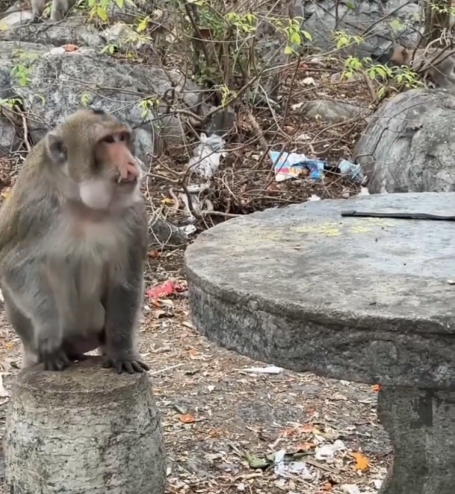
Understanding why monkeys steal requires looking at their motivation. Unlike humans, monkeys do not steal out of greed or malice. Their reasons are usually:
- Food: The most common reason. Monkeys are always searching for easy sources of nutrition. If a human is carrying a snack or fruit, it becomes an attractive target.
- Play and Exploration: Monkeys, especially young ones, are curious about new objects. Shiny, colorful, or unusual items often attract attention simply because they are novel.
- Social Status: In some troops, displaying cleverness or bravery in obtaining objects can improve a monkey’s social standing. Successfully taking something without being caught can be seen as a mark of skill.
- Survival Instinct: Opportunistic behavior ensures that monkeys get the resources they need to survive. In unpredictable environments, taking advantage of easy opportunities is practical, not malicious.
Human-Monkey Interaction
The interaction between humans and monkeys often encourages “stealing” behavior. When tourists feed monkeys or leave food unattended, monkeys quickly learn that humans are a reliable source of resources. Over time, some monkeys develop bold strategies, such as approaching humans directly, climbing onto their shoulders, or snatching items while the humans are distracted.
This behavior can become habitual. A troop that regularly encounters humans may specialize in “raids,” coordinating to distract and retrieve food or objects. In these cases, the line between survival instinct and learned cunning becomes blurred, making it clear that stealing is not a moral decision for monkeys—it is a learned behavior shaped by environment and experience.
Ethical Considerations
From a human perspective, monkey theft can be frustrating or even dangerous. People often feel anger or indignation when their belongings are taken. However, understanding the behavior as instinctive rather than malicious helps put it in context. Monkeys are not stealing to harm; they are acting according to their natural instincts, survival strategies, and learned behaviors.
Conservationists often advise caution. Feeding monkeys or leaving objects unattended encourages stealing behavior and increases the risk of injury for both humans and monkeys. Teaching monkeys to rely on their natural environment, rather than human-provided resources, helps maintain a balance that respects their instincts while protecting humans.
Wild vs. Captive Monkeys
Monkeys in the wild display theft behavior differently from those in captivity. Wild monkeys primarily take what they need from their environment, sometimes from other animals, occasionally from humans. Their actions are guided by survival, curiosity, and social learning.
Captive monkeys, on the other hand, may steal from humans more frequently because they have learned that food, toys, or other objects are easily available. In sanctuaries, zoos, or tourist spots, monkeys quickly adapt to human behavior, taking what they want because the consequences are often minimal.
Funniest Monkey Theft Stories
Some stories of monkey theft are almost comical. In Bali, tourists often post videos of macaques swiping sunglasses or hats from unsuspecting travelers. In Thailand, monkeys have been seen stealing sandwiches, running away with entire bags of fruit, and even taking bottles of water. In some cases, they even “barter,” exchanging a small piece of food for an item they have taken, demonstrating remarkable intelligence and social awareness.
These antics illustrate that while stealing may seem cheeky or frustrating, it is also a reflection of monkeys’ adaptability and cleverness. It’s a reminder that these animals are not just cute or mischievous—they are intelligent beings capable of complex problem-solving.
Lessons from Monkey Theft
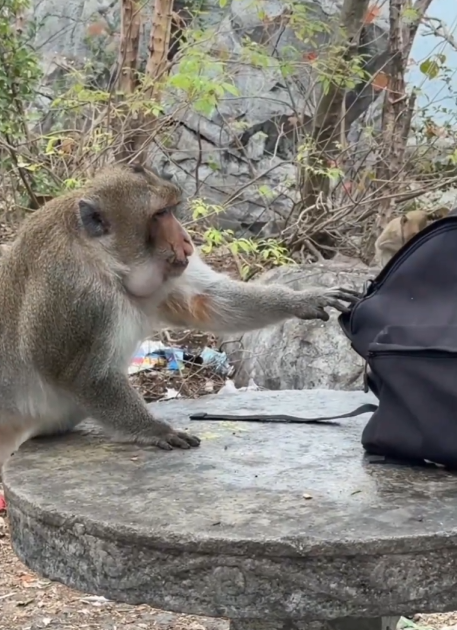
Monkey theft teaches humans several important lessons:
- Intelligence and Adaptability: Monkeys use problem-solving skills and strategy to obtain objects. Their cleverness is a survival tool.
- Curiosity Is Powerful: Much of what humans see as “stealing” begins as curiosity, demonstrating that exploration is natural and essential.
- Social Learning Matters: Monkeys learn from each other, showing that behavior is shaped by environment and observation.
- Respect Boundaries: Interacting with wildlife requires understanding their instincts and respecting their natural behavior.
- Human Influence: Feeding or encouraging monkeys can change their natural behavior, sometimes creating bold or aggressive stealing habits.
Conclusion
So, can a monkey steal? The answer is yes—but it is not stealing in the human sense of moral wrongdoing. Instead, it is a combination of curiosity, intelligence, survival instinct, and learned behavior. Monkeys “steal” because it helps them obtain food, explore their environment, or engage socially with their troop. They are opportunistic, clever, and persistent, but their actions are rooted in instinct rather than malice.
Observing a monkey take something from a human can be amusing, frustrating, or even enlightening. It reminds us of the intelligence, adaptability, and playful nature of these creatures. At the same time, it is a cautionary tale about how human behavior can influence wildlife, encouraging dependence or risky behavior.
Ultimately, monkeys are clever, curious, and resourceful animals, capable of remarkable feats—and yes, they can steal. But when we understand the reasons behind it, we see not mischief alone, but survival, learning, and the complex intelligence of one of our closest relatives in the animal kingdom. 🐒