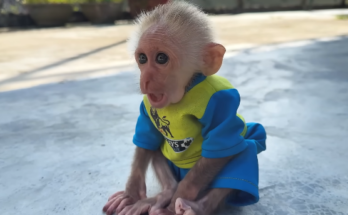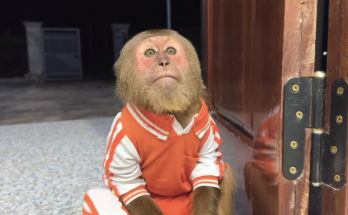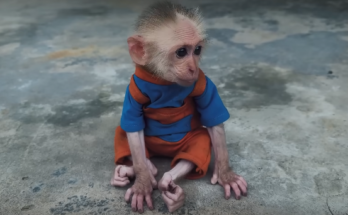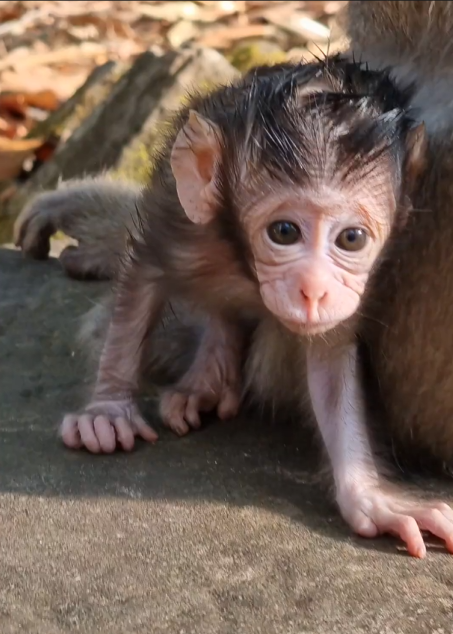
There’s something magical about interacting with animals, especially babies. Their innocence, curiosity, and playful energy make every moment special. Feeding a baby animal is an experience that combines joy, learning, and connection—an opportunity to witness life at its most vulnerable and heartwarming stage. Whether in a wildlife sanctuary, farm, or even your backyard, watching a baby animal enjoy its food is a simple yet profound reminder of the beauty of life.
The Joy of First Encounters
The first time we feed a baby animal is often unforgettable. Imagine a tiny goat with floppy ears, a baby lamb with soft wool, or a little chick pecking at grains. Their eagerness and uncoordinated movements evoke laughter and fascination. Every bite they take, every hesitant step, and every playful nibble is a window into the early stages of life.
Feeding baby animals isn’t just about nourishment. It’s an opportunity to observe growth, behavior, and curiosity in its purest form. Unlike adult animals, babies rely on humans or their caregivers for guidance, making each feeding session a chance to form a gentle bond.
Preparing for Feeding
Before offering food, it’s important to consider what’s appropriate for the baby animal. Different species require specific diets to ensure healthy growth. For instance:
- Baby goats enjoy milk, soft hay, and specially formulated pellets.
- Lambs thrive on milk and tender grasses.
- Baby rabbits need fresh vegetables, soft fruits, and specialized feed.
- Chicks and ducklings require small grains, protein-rich feed, and access to water.
The preparation itself can be engaging. Measuring the right portions, warming the milk to the proper temperature, or arranging the food in small trays requires attention and care. This small act of preparation underscores the responsibility that comes with nurturing life.
The Feeding Experience
As the baby animal approaches, curiosity takes over. Eyes wide, noses twitching, and tiny feet shuffling in excitement, these creatures exhibit a combination of anticipation and playfulness.
Watching a baby animal eat is both entertaining and educational. They may struggle with new textures, experiment with unfamiliar flavors, or accidentally knock over a bowl of food, only to recover with determination. These moments are endearing because they reveal both their vulnerability and their determination to learn.
In one memorable scene, a baby goat approached a bottle of milk with caution. It sniffed, licked, and finally clumsily latched on, suckling eagerly. Its small, delicate movements and joyful expression reminded everyone nearby of the fragility and beauty of life. Every feeding session becomes a lesson in patience, observation, and empathy.
Bonding Through Feeding
Feeding a baby animal fosters a unique bond between humans and creatures. The act of providing nourishment creates trust. Over time, the animal may recognize your presence, respond with excitement, and even seek you out for comfort or companionship.
This bond is especially evident in orphaned or hand-raised animals. A baby animal that has been fed and cared for by humans often develops a strong attachment, displaying affectionate behaviors such as nudging, following, or gentle play. Feeding becomes more than a routine—it is a shared moment of connection, trust, and joy.
Observing Behavior and Growth
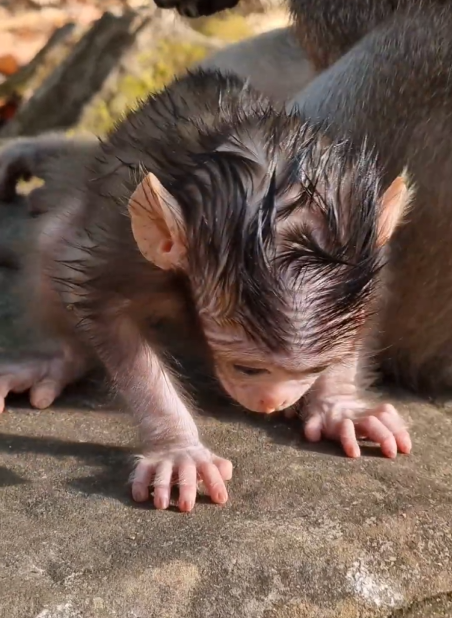
Beyond the cuteness and fun, feeding baby animals offers insights into their behavior and development. Each species has its own set of instincts, learning patterns, and social cues.
- Motor skills: Watching a baby animal manipulate food helps track its coordination and strength. For instance, a lamb may clumsily paw at grass before mastering how to nibble properly.
- Curiosity and problem-solving: Baby animals often explore their environment while eating, learning how to access food efficiently.
- Social behavior: In groups, feeding time teaches sharing, waiting, and interaction with siblings or peers.
Through these observations, caregivers and enthusiasts gain a deeper understanding of the natural instincts, intelligence, and social structures of animals, even at an early age.
The Emotional Impact
Feeding a baby animal is emotionally rewarding. The sight of tiny mouths eagerly consuming food, the soft sounds they make, and the playful energy they radiate evokes feelings of happiness, warmth, and wonder. For many, it’s a stress-relieving and uplifting experience, reminding us of the simple joys of life and the beauty of nurturing others.
Even brief interactions can leave lasting impressions. A chick pecking gently at seeds, a baby piglet snuffling for milk, or a tiny rabbit hopping toward fresh vegetables can create memories that linger long after the feeding session ends. It’s an experience that blends entertainment, compassion, and appreciation for life’s small miracles.
Lessons in Responsibility
Caring for a baby animal through feeding teaches responsibility. Ensuring they receive the correct food, monitoring their health, and maintaining hygiene are all essential aspects of nurturing life. These lessons are valuable for children and adults alike, instilling empathy, patience, and attentiveness.
Feeding is not just a physical act but a lesson in care, observation, and respect for living creatures. It helps humans understand the delicate balance of life and the effort required to support growth and development.
Fun and Play
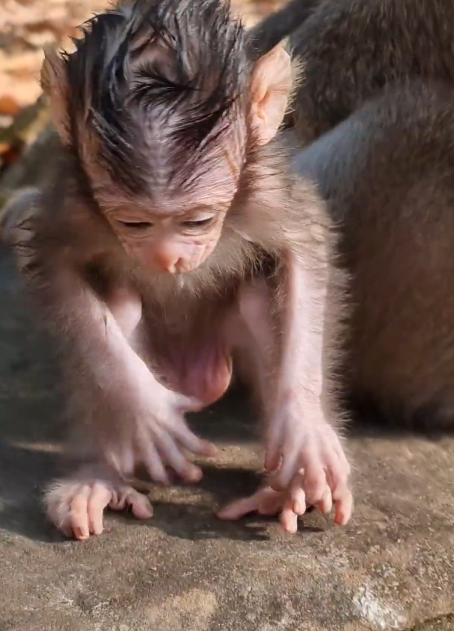
Feeding time often turns into playtime. Baby animals have a natural curiosity that extends beyond food. They may chase each other around feeding areas, investigate new objects, or interact playfully with humans. This combination of feeding and playful exploration makes each session lively and entertaining.
For example, baby goats may leap and tumble after finishing their milk, while baby ducks might waddle around in excitement after pecking at grains. Their energy and joy are contagious, making observers laugh and marvel at the resilience and curiosity of young life.
Sharing the Experience
Many people share feeding experiences through photography, videos, or social media. Images of baby animals enjoying food tend to go viral because they evoke universal feelings of joy, tenderness, and amusement. Watching others interact with baby animals reminds us of the simple pleasures in life and the delight that comes from connecting with living beings.
Additionally, these moments can raise awareness about wildlife conservation, animal welfare, and responsible care. Sharing experiences highlights the importance of nurturing life, respecting animals, and appreciating the wonders of the natural world.
Conclusion
Feeding a baby animal is a simple yet profound experience. It combines care, observation, and playful interaction, offering lessons in responsibility, empathy, and the joy of life. Watching a tiny creature eat, explore, and interact is a reminder of the beauty, innocence, and curiosity inherent in all young beings.
Whether it’s a baby goat, lamb, rabbit, chick, or any other creature, the act of feeding creates connections, memories, and emotional bonds. It is a moment that teaches patience, observation, and compassion while also providing endless entertainment and delight.
Ultimately, feeding baby animals reminds us that life is full of small, magical moments. Each nibble, sip, and playful gesture carries lessons in growth, curiosity, and the simple joy of being alive. It is a celebration of life in its most innocent and heartwarming form—a reminder to slow down, appreciate, and nurture the beauty around us. 🐾✨