Flexibility is not simply about bending farther or reaching deeper; it is about understanding the body, respecting its limits, and gradually expanding what is possible. In the worlds of contortion and gymnastics, flexibility training is both an art and a discipline. One of the most essential foundations for both is the standing hamstring stretch—a movement that appears simple, yet holds incredible power for improving mobility, alignment, balance, and overall performance.
Whether you are a gymnast, contortionist, dancer, or simply someone seeking greater freedom of movement, mastering the standing hamstring stretch is a crucial step. Done correctly and mindfully, it prepares the body for advanced skills while reducing the risk of injury.
Why Hamstring Flexibility Matters in Contortion and Gymnastics
The hamstrings are a group of muscles running along the back of the thigh, connecting the pelvis to the lower leg. In gymnastics and contortion, they play a key role in nearly every movement: splits, leaps, kicks, pikes, forward folds, handstands, and backbends all rely on hamstring length and strength.
Tight hamstrings limit range of motion and place excess stress on the lower back, hips, and knees. Over time, this can lead to compensation patterns and injury. Flexible, well-conditioned hamstrings, on the other hand, allow for clean lines, controlled extensions, and smooth transitions between skills.
The standing hamstring stretch is especially valuable because it trains flexibility in a functional, weight-bearing position—mirroring how the body moves during gymnastics and contortion sequences.
Warming Up: Preparing the Body Safely
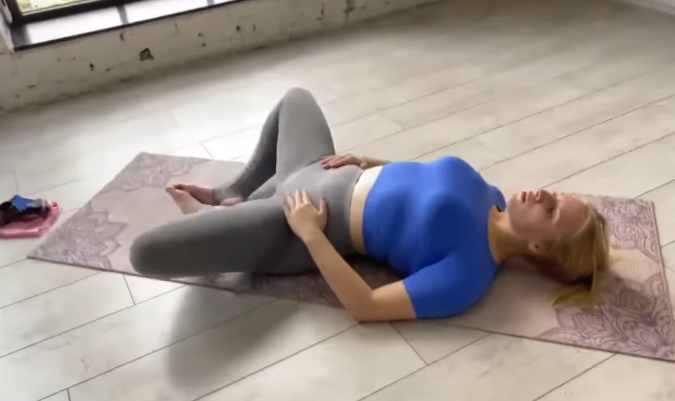
Before stretching deeply, it is essential to warm the muscles. Cold muscles resist lengthening and are more prone to strain. Begin with 5–10 minutes of gentle movement: light jogging, skipping, jumping jacks, or dynamic leg swings.
Add spinal mobility with slow forward folds, half lifts, and gentle twists. Focus on breathing deeply and evenly, allowing blood flow to increase throughout the body. A proper warm-up transforms stretching from forcing into opening.
Basic Standing Hamstring Stretch
Start in a standing position with feet hip-width apart. Ground evenly through both feet, feeling the weight balanced between the heels and balls of the feet.
Inhale and lengthen the spine, lifting the chest slightly. On the exhale, hinge forward from the hips—not the lower back—allowing the torso to fold over the legs. Keep the spine long rather than rounded, especially in the beginning stages.
Hands can rest on the thighs, shins, ankles, or the floor, depending on flexibility. The goal is not to touch the toes, but to feel a stretch along the back of the thighs while maintaining good alignment.
Hold the stretch for 20–40 seconds, breathing slowly. Each exhale encourages gentle release, not force.
Single-Leg Standing Hamstring Stretch
For gymnasts and contortionists, single-leg variations are especially important, as they mimic the demands of kicks, leaps, and balances.
Shift your weight onto one leg. Extend the other leg forward with the heel on the ground and toes pointing upward. Hinge forward at the hips over the extended leg, keeping both hips squared and the spine long.
This variation intensifies the stretch while improving balance and proprioception. Keep the standing leg strong and engaged. Avoid collapsing into the lower back or rounding the shoulders.
Switch sides and repeat, observing any differences between legs.
Elevation for Deeper Flexibility
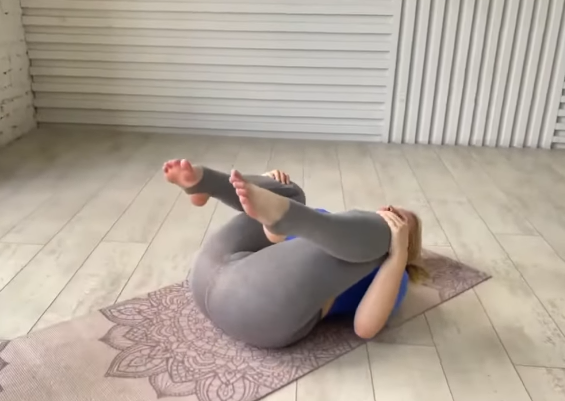
To progress further, place one heel on an elevated surface such as a block, bench, or low bar. The height should challenge you without causing strain.
Stand tall, square the hips, and fold forward over the raised leg. This variation is common in gymnastics training because it closely resembles split preparation and high leg extensions.
Advanced practitioners may gently pull the toes back to increase the stretch, but this should only be done with control and proper warm-up.
Contortion-Specific Alignment and Control
In contortion training, flexibility must be paired with strength and awareness. Passive stretching alone is not enough. When performing standing hamstring stretches, actively engage the quadriceps (front of the thigh). This creates reciprocal inhibition, allowing the hamstrings to release more safely.
Keep the kneecap lifted and the leg straight but not locked. Engage the core to support the spine. This prevents overstretching the ligaments and shifts the stretch into the muscle tissue where it belongs.
True flexibility comes from controlled range of motion, not collapsing into extreme positions.
Breathing Techniques for Deeper Release
Breath is a powerful tool in flexibility training. Shallow breathing signals tension to the nervous system. Slow, deep breathing tells the body it is safe to release.
Inhale through the nose, expanding the ribcage and back body. Exhale slowly through the mouth, imagining the hamstrings melting downward. Avoid bouncing or forcing the stretch. Patience creates progress.
Common Mistakes to Avoid
One of the most common mistakes in standing hamstring stretches is rounding the lower back to achieve depth. This may feel like a deeper stretch, but it shifts the load away from the hamstrings and onto the spine.
Another mistake is locking the knees aggressively, which can strain the ligaments. Keep the legs straight with muscular engagement rather than joint pressure.
Finally, avoid comparing your flexibility to others. In gymnastics and contortion, bodies develop at different rates. Progress is individual and nonlinear.
Integrating the Stretch into Gymnastics Training
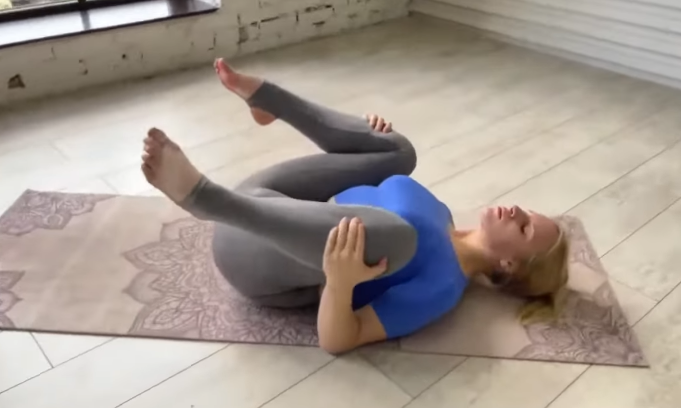
The standing hamstring stretch can be included at multiple points in a training session. Early in practice, use gentle versions to warm the muscles. After skill work, deeper variations help lengthen the muscles while they are already warm.
Consistency matters more than intensity. Stretching daily at a moderate level produces better results than pushing too hard once a week.
Pair hamstring stretches with hip flexor and calf stretches to maintain balanced mobility. Flexibility without balance leads to instability.
Recovery and Long-Term Flexibility
After intense contortion or gymnastics training, include gentle standing hamstring stretches as part of your cooldown. This supports muscle recovery and reduces soreness.
Over time, you may notice not just increased range of motion, but improved posture, smoother movement, and greater confidence in your skills. The standing hamstring stretch becomes less of an exercise and more of a conversation with your body—listening, adjusting, responding.
Mindset: Flexibility as a Practice
In contortion and gymnastics, flexibility is often seen as something to achieve. But in truth, it is something to practice. Each day the body feels different. Stress, fatigue, and emotions all influence how muscles respond.
Approach the standing hamstring stretch with curiosity rather than judgment. Some days you will go deeper. Some days you will not. Both are part of the journey.
Conclusion
The standing hamstring stretch is a cornerstone of contortion and gymnastics training. Simple in appearance, it builds the foundation for powerful, graceful movement. When practiced with proper alignment, breath, and intention, it enhances flexibility, prevents injury, and deepens body awareness.
Whether you are reaching for your first split or refining elite-level skills, return to the basics. Stand tall. Hinge with control. Breathe with patience. In that simplicity lies the path to extraordinary flexibility.