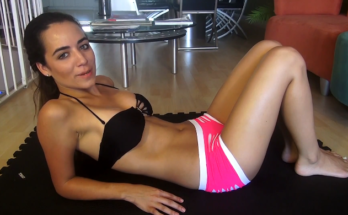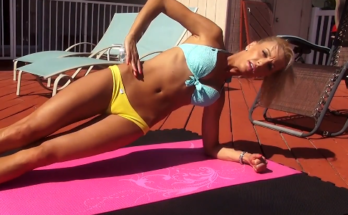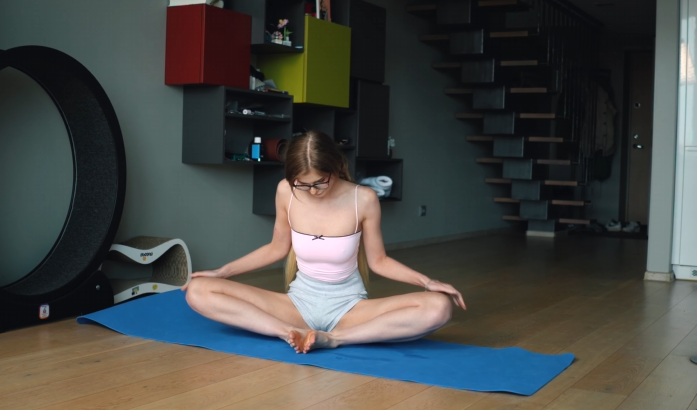
In a world that rarely slows down, quality sleep has become one of the most precious yet elusive needs. Many people lie awake at night with busy minds, tense bodies, and nervous systems stuck in a constant state of alert. This is where Restorative Flow for Better Sleep comes in—a gentle, mindful yoga practice designed to guide the body and mind into deep relaxation, preparing you for truly restful sleep. Practiced at home and often shared in calming Yoga 4K videos, restorative flow offers a soothing visual and physical experience that helps you unwind fully before bedtime.
Why Sleep Matters More Than Ever
Sleep is not simply a time of rest; it is the foundation of physical health, emotional balance, and mental clarity. During deep sleep, the body repairs tissues, balances hormones, strengthens the immune system, and processes emotions. Without quality sleep, even the strongest body and sharpest mind begin to suffer.
Modern lifestyles—late-night screen use, stress, irregular schedules, and constant stimulation—disrupt our natural sleep rhythms. Restorative yoga flow works by gently reversing these effects, signaling to the body that it is safe to relax and let go.
What Is Restorative Flow Yoga?
Restorative flow yoga is a slow, supportive practice that blends gentle movements, long-held poses, and conscious breathing. Unlike active or power yoga styles, restorative flow focuses on stillness, comfort, and ease. Poses are often supported by pillows, bolsters, blankets, or folded towels, allowing muscles to release without effort.
For better sleep, restorative flow is practiced at a calm, unhurried pace. The goal is not flexibility or strength but deep relaxation of the nervous system. When the body relaxes, the mind follows naturally.
The Yoga 4K Experience
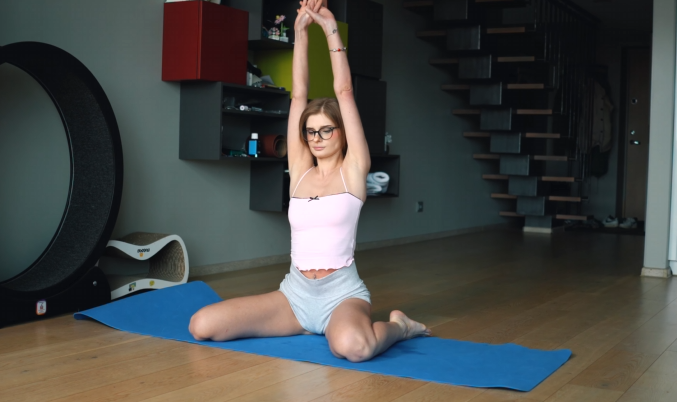
The “Yoga 4K” aspect enhances the experience by offering ultra-high-definition visuals that are soft, soothing, and immersive. Gentle lighting, slow camera movement, and peaceful settings help calm the senses even before the practice begins. Watching or practicing along with Yoga 4K content can feel like entering a quiet sanctuary—free from noise, rush, and distraction.
This visual calm is especially powerful before sleep, as it reduces mental overstimulation and prepares the brain for rest.
Preparing for a Restorative Sleep Practice
To get the most from a restorative flow for better sleep, preparation is key. Choose a quiet space where you won’t be disturbed. Dim the lights or use warm, soft lighting. Turn off notifications and step away from screens if possible, except for your Yoga 4K video.
Wear loose, comfortable clothing. Have a yoga mat or soft surface, and gather props like pillows or blankets. The more supported and comfortable your body feels, the easier it will be to relax.
Before starting, take a moment to set an intention, such as “I release today” or “I allow myself to rest deeply.” This mental shift helps signal the transition from activity to rest.
Breath: The Gateway to Sleep
Breathing is one of the most powerful tools in restorative yoga. Slow, deep breathing activates the parasympathetic nervous system, often called the “rest and digest” system. This lowers heart rate, reduces cortisol levels, and quiets the mind.
A simple breathing pattern for sleep:
Inhale gently through the nose for four counts.
Exhale slowly for six to eight counts.
Longer exhalations tell the brain that it is time to relax. Throughout your practice, let your breath be smooth, quiet, and natural.
Gentle Movements to Release the Day
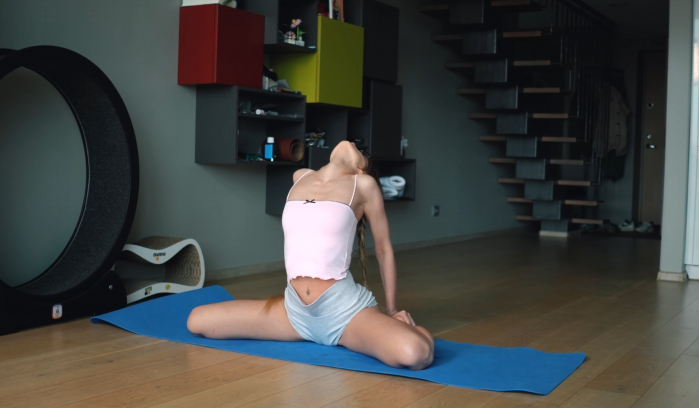
Restorative flow for sleep usually begins with small, grounding movements. Gentle neck stretches release tension from the day’s stress and screen time. Slow shoulder rolls help melt away the weight we often carry emotionally and physically.
Supported spinal movements, such as gentle twists, help release the lower back and calm the nervous system. These movements are done slowly, with plenty of time to settle into each position.
The key is to move with awareness. Each motion is guided by breath, creating a rhythm that gradually slows the body down.
Supported Poses for Deep Relaxation
As the practice continues, longer-held restorative poses take center stage. A supported child’s pose can bring a sense of safety and grounding. Elevating the torso with pillows allows the spine to relax without strain.
Legs-up-the-wall or legs supported on a chair is another powerful pose for sleep. It gently improves circulation, relaxes the lower body, and signals the nervous system to shift into rest mode.
A supported reclining pose, with a pillow under the knees and another under the head, encourages complete surrender. In these poses, muscles soften, breathing deepens, and the mind begins to quiet naturally.
The Emotional Release of Evening Yoga
Many people don’t realize how much emotion is stored in the body. Restorative flow, especially in the evening, creates a safe space for emotional release. You may notice sighing, yawning, or even tears—natural signs that tension is leaving the system.
Practicing at home, guided by a calm Yoga 4K session, allows you to experience this release without judgment. You are not trying to fix anything; you are simply allowing what needs to soften to soften.
Stillness and the Power of Pause
One of the most important aspects of restorative flow for better sleep is stillness. After gentle movement, resting in a comfortable pose gives the nervous system time to fully settle. This pause is where the deepest healing occurs.
During stillness, you might practice a body scan, gently bringing awareness to each part of the body and inviting it to relax. This practice helps the mind let go of thoughts about the day and focus on the present moment.
Restorative Flow and Sleep Quality
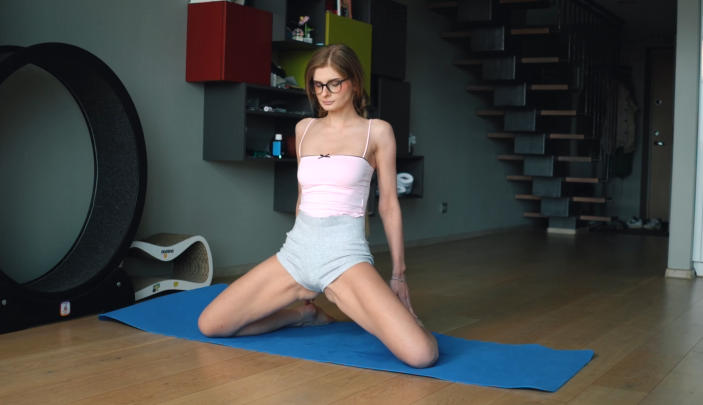
With regular practice, restorative yoga flow can significantly improve sleep quality. Many people find they fall asleep faster, wake less during the night, and feel more refreshed in the morning. Over time, the body begins to associate the practice with rest, making it easier to unwind each evening.
This routine can be especially helpful for people who struggle with insomnia, anxiety, or stress-related sleep issues. While it is not a replacement for medical care, restorative yoga is a powerful complementary practice.
Making It a Nightly Ritual
Consistency is the secret to lasting benefits. You don’t need a long session every night—20 to 30 minutes is often enough. Choose a Yoga 4K restorative flow you enjoy and make it part of your bedtime ritual.
Over time, this ritual becomes a signal to your body and mind: the day is complete, and it is safe to rest. Even on busy nights, a few minutes of gentle breathing and supported poses can make a difference.
Adapting the Practice to Your Body
Restorative flow is deeply personal. Some nights your body may crave more movement; other nights, complete stillness. Listen closely and adjust as needed. Use more support if you feel tight or tired. Skip poses that don’t feel right.
The practice is not about achieving a shape—it is about creating comfort.
Closing Thoughts
Restorative Flow for Better Sleep – Yoga 4K is an invitation to slow down in a world that constantly asks you to speed up. Through gentle movement, supportive poses, mindful breathing, and calming visuals, this practice guides you toward deeper rest and renewal.
By embracing restorative flow as part of your evening routine, you give your body permission to release the day and your mind permission to be quiet. In that peaceful space, sleep becomes not a struggle, but a natural and welcome return to balance—one breath, one gentle moment at a time. 🌙🧘♀️