There is something inherently magical about the connection between humans and animals, especially when it comes to feeding time. Whether it is a tiny chick pecking at grains, a fuzzy puppy eagerly licking from a bowl, or a baby goat hopping excitedly for its next sip of milk, these moments are pure joy. Feeding animals, particularly cute baby animals, is not just an act of nourishment—it is an exchange of trust, a window into innocence, and a celebration of life in its most unguarded and delightful form.
From the moment a baby animal is born, it relies on care, guidance, and food. Feeding is its primary connection to the world, the first lesson in survival and comfort. Watching a baby animal approach food for the first time is heartwarming; there is a combination of curiosity, hesitation, and instinct that makes each interaction unique. A baby lamb may wobble unsteadily toward a bottle of milk, its tiny legs shaking with effort, while a baby duckling may dip its beak carefully into water, exploring and learning with each small movement. These moments, though simple, are profound, as they encapsulate the beginning of a life guided by instinct, nurtured by care, and enriched by love.
The act of feeding is as educational as it is necessary. Baby animals learn to distinguish between what is edible and what is not, how to drink safely, and even how to interact socially with other animals in their group. For example, when feeding a group of piglets, one can observe a subtle hierarchy emerge as they learn to share or take turns. Chickens pecking at grains teach themselves how to forage, developing motor skills and coordination. Each act of feeding is a building block in the development of life skills, wrapped in innocence and curiosity.
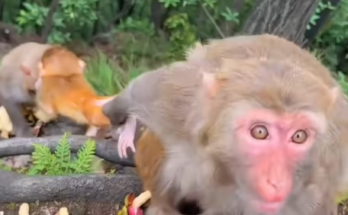
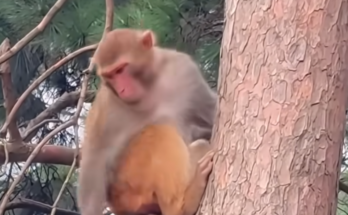
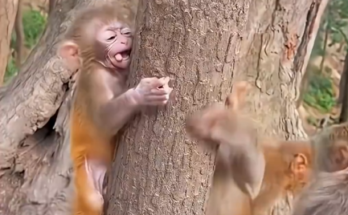
Feeding also establishes trust between humans and animals. Baby animals are naturally cautious; they approach food slowly, testing the environment for safety. When humans provide nourishment gently and consistently, the animals begin to recognize kindness. Over time, they may approach confidently, even seeking interaction beyond just feeding. A tiny bunny might hop up to your hand, sniffing, and eventually nibbling from your palm. A baby monkey may cling to your arm while nibbling on fruit. These moments of connection are built on patience and respect, showing that love and care can transcend species.
Emotionally, feeding baby animals can be therapeutic for humans as well. The sight of a baby fawn licking a bottle of milk, or a kitten curling up in contentment after a meal, evokes a deep sense of joy and calm. There is a rhythm in the process—the gentle pour of milk, the soft nibbling sounds, the tiny movements and eager gazes—that soothes the mind. Feeding animals reminds us of simplicity, the joy of nurturing, and the satisfaction of seeing a small creature thrive under care.

In many cases, feeding baby animals is also a life-saving act. Orphaned animals or those separated from their mothers rely entirely on humans for survival. A tiny goat rescued from abandonment needs regular bottles of milk to grow strong. A baby bird fallen from its nest must be fed small portions frequently to survive. Each feeding session requires attention, gentleness, and knowledge, but the reward is immeasurable—the chance to witness life flourish against the odds.
The routines of feeding are delightful to observe. A baby calf may eagerly stretch its neck, following the scent of milk, its ears twitching in anticipation. A baby piglet, tiny and pink, might squeal happily as it nudges for its turn at a bottle. Even baby reptiles, like turtles or iguanas, show subtle signs of excitement, moving eagerly toward their food. These interactions are rich with personality; every animal expresses hunger, curiosity, and contentment in its own unique way.
Feeding animals also provides insight into their natural instincts. Even domesticated or rescued baby animals retain behaviors that reflect their wild counterparts. A duckling will instinctively dip its head and splash as it drinks water. A puppy will wiggle and kick its little legs while nursing. Observing these behaviors while feeding reminds us of the deep connection between instinct and learning, and how early experiences shape growth and adaptation.
The sensory experience of feeding baby animals is another source of fascination. The soft sounds of nibbling, the delicate movements of little paws and hooves, the warmth of small bodies pressed against each other—all create a rich tapestry of life. For humans, this can cultivate empathy, patience, and mindfulness. The simple act of paying attention, being gentle, and ensuring the well-being of another creature nurtures qualities that extend beyond the animal encounter, enriching our interactions with the world around us.
Social learning is often evident during feeding sessions. Baby animals observe and mimic one another, learning to navigate their environment and the feeding process. For example, a group of baby chicks might follow the first chick to a pile of grains, learning the safest approach. Baby goats might watch each other’s postures and movements while drinking from bottles. These social cues are essential for development, showing that feeding is not just a biological necessity but a teaching moment, filled with lessons about cooperation, patience, and observation.

Feeding baby animals can also highlight the diversity of care strategies among species. Some require bottle-feeding, while others nibble independently. Some rely on warmth and close physical contact during feeding, while others eat quickly and retreat. These variations are a reminder of the incredible adaptability of life and the specific needs of each species. The caregiver, whether human or animal, learns to adapt, ensuring each baby receives the attention, nourishment, and comfort it requires.
There is a playful element to feeding as well. Baby animals often display bursts of energy and excitement when food appears. A baby squirrel might scamper with a tiny nut, a baby rabbit may hop in joyful circles, and baby kittens can paw at the bottle or bowl with uncoordinated enthusiasm. These playful interactions are a natural part of development and a reflection of happiness, curiosity, and trust. Feeding becomes not only a necessity but a shared experience of joy and connection.
Feeding sessions also provide moments for observation and bonding. A caregiver can notice subtle signs of health or distress, monitor growth, and engage with the animals in a way that fosters emotional connection. The bond formed during feeding can shape the animal’s personality, confidence, and approach to social interactions. A baby animal that experiences consistent, loving care is more likely to develop trust, resilience, and a positive attitude toward humans and other animals.
In modern life, where people are often disconnected from nature, feeding baby animals offers a tangible and intimate connection to the natural world. It reminds us that life is delicate, and that every creature, no matter how small, deserves care and respect. It cultivates awareness of the cycles of growth, learning, and nurturing that sustain life on Earth. The joy and responsibility of feeding a baby animal are profound—it is a lesson in empathy, compassion, and the interdependence of living beings.
Finally, feeding baby animals is a reminder of hope and renewal. Each small mouth filled, each belly satisfied, represents growth, survival, and the promise of life. From orphaned kittens to rescued lambs, from baby monkeys to ducklings, the act of feeding nurtures not only the body but the spirit. It is a daily celebration of life, a chance to witness innocence, and an opportunity to create bonds that transcend species.
Whether in a sanctuary, on a farm, or in a natural habitat, feeding cute baby animals is an experience that leaves a lasting impression. It teaches patience, compassion, and joy. It reveals the tender beauty of life in its early stages and reminds us of the profound connection we share with all creatures. Each feeding moment is a story of care, trust, and love—a story that touches both the animals and those who feed them, creating memories that last a lifetime.