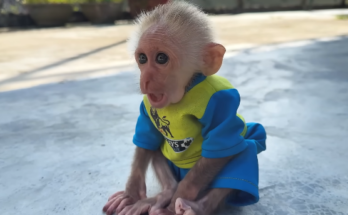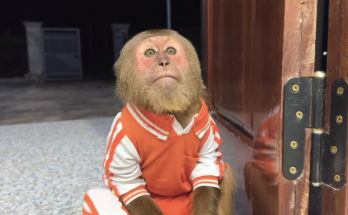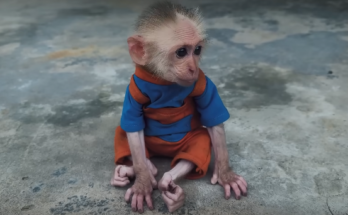
It was a bright and sunny morning in the small village nestled at the edge of a lush forest. Birds chirped, the air smelled of fresh grass, and a gentle breeze rustled through the trees. Children from the village were already outside, running around with laughter echoing across the open fields. Among them were little Sita and her younger brother Aran, who were especially excited today—they had packed a small basket with fruits to feed the animals near the forest edge.
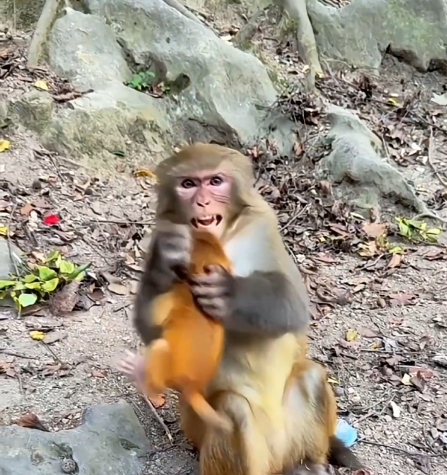
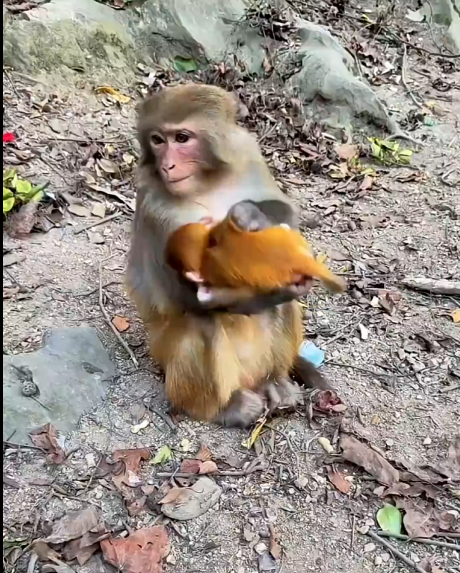
Unbeknownst to them, someone—or rather, something—was watching. High up in the branches of a tall mango tree, a young monkey named Kiko was sitting quietly, munching on a small banana. Kiko was usually cheerful and playful, always swinging from tree to tree, teasing birds, and playing hide-and-seek with his monkey friends. But today, Kiko’s eyes narrowed as he watched the children approach. Something felt… off.
The Beginning of the Trouble
Sita and Aran carefully placed their basket of fruits on a small blanket near the tree. They were so focused on arranging the fruits—mangoes, bananas, and little bunches of grapes—that they didn’t notice Kiko silently observing from above.
“Look, Aran! The monkeys are going to love this!” Sita whispered excitedly.
Aran nodded, his eyes sparkling. “Yeah! Let’s put the bananas here and the mangoes over there.”
Kiko’s stomach grumbled at the sight of the food, but it wasn’t hunger that made him angry—it was something else.
For weeks, the children had been careless, tossing leftover fruit peels and scraps near the forest path. Kiko and his friends had often found themselves scrambling for food among the mess humans left behind. The children meant well, but they hadn’t realized that their actions were disturbing the monkeys’ home. Today, seeing the neatly arranged fruit, Kiko felt a mixture of curiosity and frustration.
The First Sign of Anger
The children stepped back to admire their work. Kiko slowly descended from the tree, landing lightly on the ground, and approached the fruit basket. At first, the children thought he was friendly, smiling and waving at him.
“Hello, little monkey!” Sita said softly, holding out a banana.
But Kiko didn’t take the banana gently. Instead, he swatted it to the ground and grabbed a mango with surprising strength. The children gasped.
“Hey! Give it back!” Aran shouted, rushing forward.
Kiko’s small eyes glinted with frustration. He didn’t want to hurt the children, but he wanted to show them that he was not just a playful creature—he was also in charge of his territory. He bounced from the blanket to a nearby tree stump, tossing the mango high into the air and catching it expertly.
The children froze. They had never seen a monkey act like this before. It wasn’t play—it was a warning.
Understanding the Monkey’s Anger
Sita and Aran sat down on the grass, trying to think. Why was Kiko so angry?
Slowly, Sita remembered all the times she and her friends had left fruit scraps near the forest path. “Aran… do you think he’s upset because of the mess we left last week?” she asked softly.
Aran nodded. “Maybe… but we didn’t mean to. We just wanted to feed them.”
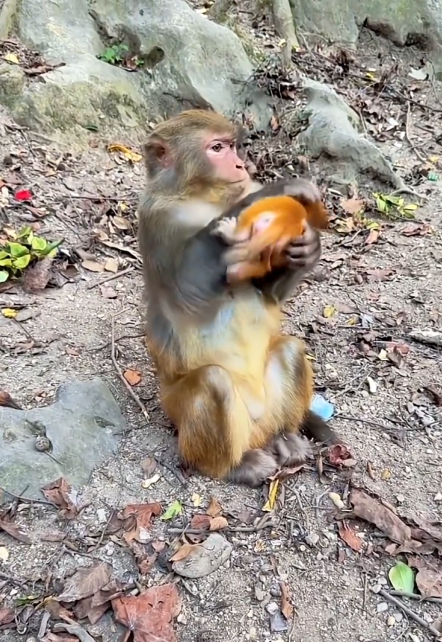
Meanwhile, Kiko climbed back into the tree, sitting on a branch with his arms crossed and staring at the children. His mind was clear: They have to understand. This is my home, and they must respect it.
Monkeys, like humans, have rules for their community. Kiko knew that sharing was fine, but disorder and carelessness could be dangerous. Last week, one of his friends had slipped on a discarded peel and injured a leg. Kiko didn’t want that to happen again.
The Lesson Begins
Seeing that the children were watching him with puzzled expressions, Kiko decided to make his point in a very monkey way. He grabbed some leaves, small sticks, and even a few stones, and carefully arranged them in front of the children.
“What is he doing?” Sita whispered.
Kiko picked up a mango peel and placed it neatly on one side. Then he pointed toward the children, as if to say: This is how you respect the forest.
The children slowly realized what Kiko was trying to teach. It wasn’t anger for anger’s sake—it was frustration at carelessness and a desire to protect his home.
Sita and Aran exchanged looks. “Oh! We understand now,” Sita said. She carefully picked up the scattered fruits and rearranged them neatly, just like Kiko had shown. Aran followed, sweeping up small scraps of leaves and sticks.
Kiko watched closely, his tiny chest rising with cautious relief. He wasn’t angry anymore—he just wanted the children to learn.
Making Amends
After a few minutes of careful rearrangement, the basket looked perfect. The fruits were organized, peels were placed away, and the area around the tree was clean. Kiko approached slowly, sniffed the basket, and finally took a small mango, eating it calmly while keeping an eye on the children.
Sita giggled. “See, Aran? He’s happy now!”
Aran nodded. “Yeah! We’ll be more careful from now on.”
Kiko’s anger had faded completely. The children had learned the lesson without anyone getting hurt. Kiko even did a little spin on the branch, showing his approval.
From that moment, a special understanding developed between the children and Kiko. They realized that the forest and its creatures had rules, just like humans, and that respect was the key to friendship.
The Moral of the Story
The day ended with laughter, shared fruits, and a newfound bond. Sita and Aran promised to always clean up after themselves and respect the forest animals. Kiko, in turn, became their guide, showing them which fruits were safe to take and where the monkeys liked to play.
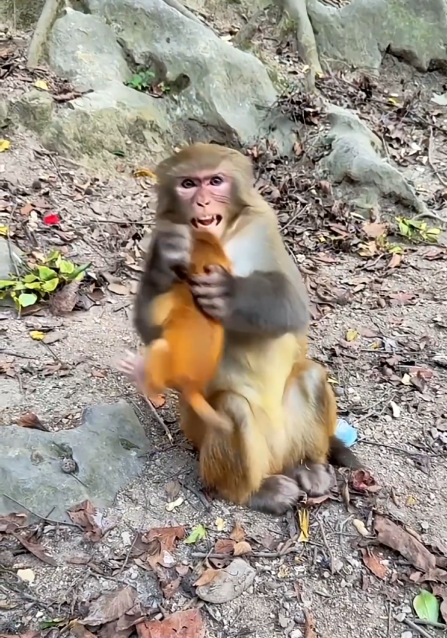
The anger Kiko had shown wasn’t real malice—it was a signal, a way of communicating that his home and friends were important. Animals, like humans, express their feelings through actions, and it was up to the children to listen.
As the sun dipped below the horizon, Sita whispered, “Monkeys really are amazing. They know how to teach us without even speaking.”
Aran nodded. “And they have a way of showing when something is wrong. I’m glad Kiko got angry—we learned so much today!”
Kiko sat on the branch, munching the last piece of mango, and gave a satisfied squeak. He had taught his little humans an important lesson: respect, patience, and understanding are worth more than a few minutes of carelessness.
A Friendship Begins
From that day on, the children visited the forest every week, always bringing clean baskets of fruits and carefully observing the monkeys’ space. Kiko welcomed them with playful swings and gentle gestures, never needing to get angry again. The initial frustration had transformed into friendship, and the children learned to see the world through the eyes of the creatures they once only thought of as playful animals.
Kiko’s anger had been a bridge—a bridge that connected humans and animals through understanding, respect, and empathy. What started as a small moment of irritation had blossomed into a lifelong lesson: even the smallest creatures have feelings, and every action has a consequence.
And so, whenever children come near the forest today, they remember Kiko—the monkey who got angry, not because he was mean, but because he cared deeply. They smile, clean up after themselves, and sometimes leave a little extra fruit as a thank-you gift, honoring the friendship that began with a tiny spark of anger. 😆💞