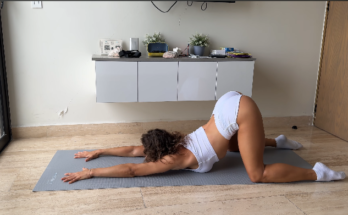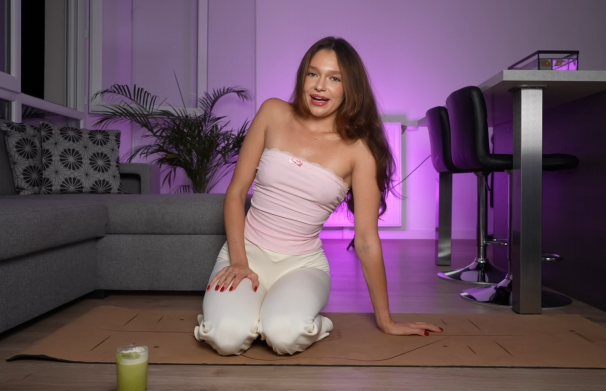
Modern life moves fast. Between work, responsibilities, screens, and constant noise, the body rarely gets the chance to fully relax. Even when we sit down or lie in bed at night, our muscles may still be tight, our shoulders raised, and our minds racing. Over time, this constant tension builds up in the body, leaving us feeling stiff, tired, and sometimes even in pain.
But the body has an incredible ability to relax and recover when we give it the chance. Through gentle movement, deep breathing, and mindful awareness, it’s possible to release built-up stress and allow the body to soften naturally. Think of it as letting the body slowly melt, like ice warming in the sun.
When tension fades away, the body feels lighter, more flexible, and more at ease. The mind also becomes calmer, creating a deep sense of balance and comfort.
Why the Body Holds Tension
Before learning how to release tension, it helps to understand why it appears in the first place. Stress triggers the body’s natural defense response, often called the “fight-or-flight” reaction. When this response activates, muscles tighten and the nervous system becomes alert. This is helpful in dangerous situations, but when stress is constant, the body never fully relaxes.
Common places where tension collects include the neck, shoulders, lower back, hips, and jaw. Sitting for long periods, poor posture, and emotional stress can all make these areas tighter.
Over time, tension can lead to headaches, fatigue, limited flexibility, and discomfort during everyday activities. Fortunately, simple relaxation techniques can help reverse these effects.
Begin with Deep Breathing
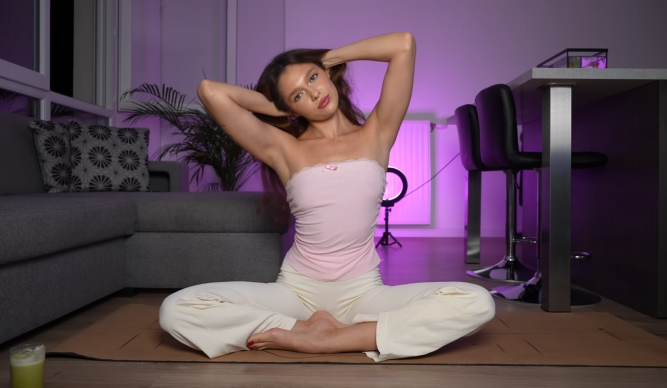
The fastest way to signal the body to relax is through deep breathing. When breathing becomes slow and steady, the nervous system shifts into a calm state.
Find a comfortable position, either sitting or lying down. Close your eyes if you feel comfortable doing so. Slowly inhale through your nose, allowing your chest and belly to expand. Then gently exhale through your mouth.
Focus only on the rhythm of your breath.
Each inhale fills the body with fresh oxygen, while each exhale releases stress and tension. Continue breathing slowly for a few minutes. As your breathing deepens, you may notice your shoulders dropping and your muscles becoming softer.
This simple step begins the process of melting tension away.
Release the Neck and Shoulders
The neck and shoulders carry much of the body’s stress. Hours of looking at phones or leaning over desks can cause tightness in these muscles.
Start by gently tilting your head toward one shoulder. Hold the position for about 15 seconds while breathing slowly. Return your head to the center and repeat on the opposite side.
Next, roll your shoulders slowly in a circular motion. Move them forward and backward, allowing the muscles to loosen naturally.
These small movements help increase blood flow and reduce stiffness in the upper body.
Stretch the Spine
The spine supports the entire body, so releasing tension here can make a big difference.
Stand or sit comfortably and reach both arms above your head. Stretch upward as if trying to touch the sky. Feel the spine lengthen and the chest open.
After a few breaths, slowly bend forward from the hips and allow your arms and head to hang loosely toward the floor. Let gravity gently stretch the back and shoulders.
Hold this position for several breaths before slowly returning to an upright posture.
This stretch releases tight muscles along the spine and encourages flexibility.
Relax the Hips and Lower Body
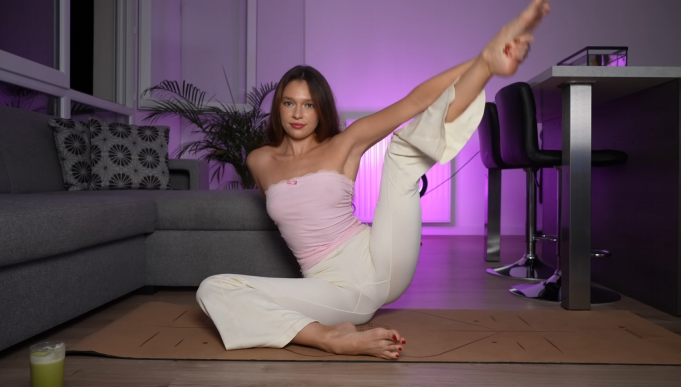
The hips are another area where tension often builds up, especially for people who sit for long periods.
A simple seated stretch can help open the hips and relieve lower-body tightness.
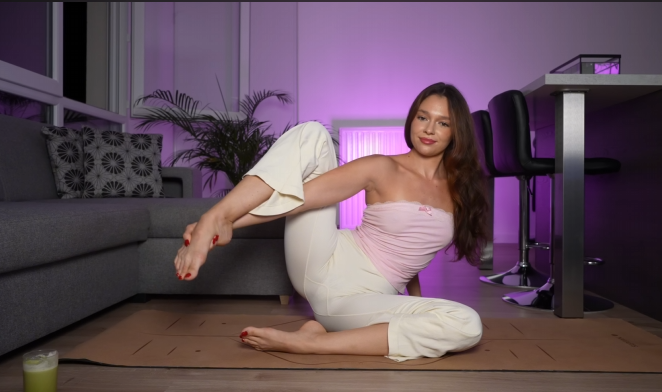
Sit on the floor or on a comfortable surface. Cross one ankle over the opposite knee and gently lean forward. You should feel a stretch in the outer hip.
Hold the position for about 20 seconds before switching sides.
This stretch improves mobility in the hips and helps reduce pressure on the lower back.
Try a Gentle Full-Body Stretch
To help the body melt into deeper relaxation, try a gentle full-body stretch.
Lie on your back with your arms extended overhead and your legs stretched out. Imagine your body growing longer as you reach in both directions at the same time.
Take a deep breath in, then relax completely as you exhale.
Repeat this stretch two or three times. It helps reset the body after a long day and promotes overall relaxation.
Progressive Muscle Relaxation
Another powerful technique for erasing tension is progressive muscle relaxation. This method teaches the body how to recognize and release tightness.
Begin lying comfortably on your back. Starting with your feet, gently tighten the muscles for a few seconds, then release them completely.
Move slowly up through the body:
- Feet
- Calves
- Thighs
- Hips
- Stomach
- Hands
- Arms
- Shoulders
- Face
Each time you release a muscle group, allow it to feel heavy and relaxed.
By the time you reach the top of the body, you may notice that your entire body feels softer and calmer.
The Importance of Gentle Movement
While relaxation is important, gentle movement also helps remove tension from the body.
Activities like stretching, yoga, or slow walking encourage circulation and prevent muscles from becoming stiff.
Even a short daily movement routine can help maintain flexibility and reduce stress. The key is to move slowly and mindfully rather than rushing through exercises.
Creating a Daily Relaxation Habit
To truly melt away tension, it helps to practice relaxation regularly.
You don’t need a long or complicated routine. Just 10 to 15 minutes a day can make a noticeable difference.
A simple routine might include:
- Two minutes of deep breathing
- Gentle neck and shoulder stretches
- A spinal stretch or forward fold
- A hip stretch
- Five minutes of quiet relaxation
Practicing this routine in the evening can be especially helpful because it prepares the body for restful sleep.
Relax the Mind as Well
Physical tension often reflects mental stress. When the mind is overwhelmed with worries or responsibilities, the body responds by tightening muscles.
Taking time to quiet the mind is just as important as stretching the body.
Simple practices like meditation, listening to calming music, or spending time in nature can help create mental space and emotional balance.
When the mind relaxes, the body naturally follows.
Let the Tension Fade Away
Imagine your body slowly melting into comfort and ease. Muscles that once felt tight begin to soften. Breathing becomes slow and steady. The weight of stress gradually disappears.
This state of relaxation is not something reserved for special moments—it is something your body deserves every day.
By practicing gentle stretches, deep breathing, and mindful relaxation, you give your body permission to release the tension it has been carrying.
Over time, you may notice that you move more freely, sleep more deeply, and feel calmer throughout the day.
Your body is always working to support you. When you take a few moments to care for it, the reward is a sense of balance, peace, and renewed energy.
So pause, breathe, stretch, and let your body melt i