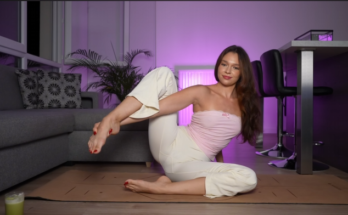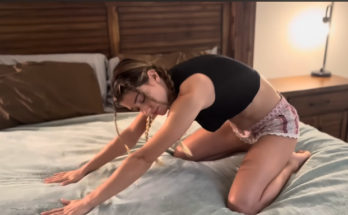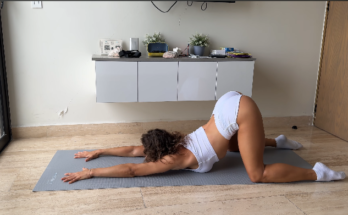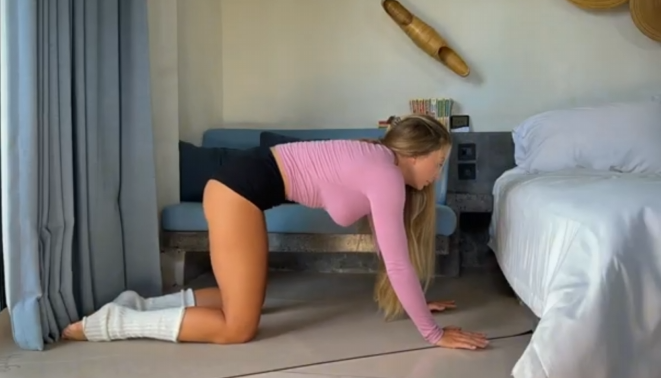
In today’s modern world, many people spend long hours sitting in front of computers, looking down at phones, or working at desks. Over time, these habits can lead to poor posture, rounded shoulders, tight hips, and stiffness in the back. The body slowly adapts to these positions, making it harder to stand tall and move freely.
One of the most effective ways to counteract these effects is through backbend stretch flows. Backbends are powerful yoga movements that open the chest, strengthen the spine, and improve overall posture. When practiced carefully and consistently, they help restore balance to the body and reduce the tension that builds up during daily life.
A backbend stretch flow is not about extreme flexibility or dramatic poses. Instead, it focuses on gradually opening the front of the body while strengthening the muscles that support the spine. This combination improves posture, boosts energy, and encourages healthy alignment.
Why Backbends Are Important for Posture
Many common posture problems come from tight chest muscles and weak back muscles. When we spend hours hunched forward, the front of the body becomes shortened while the muscles along the spine become underused.
Backbends help reverse this pattern.
They stretch the chest, shoulders, and hip flexors while activating the muscles along the back. This encourages the body to return to a more upright and balanced position.
In addition to physical benefits, backbends are known to stimulate energy and improve mood. Opening the chest allows deeper breathing, which increases oxygen flow and helps reduce stress.
Preparing the Body for Backbends
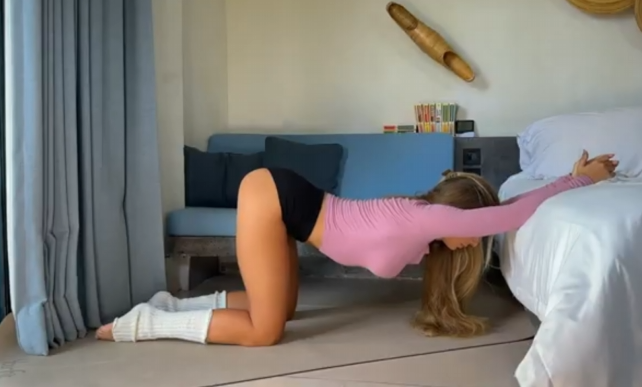
Before practicing backbends, it’s important to warm up the body. The spine needs gentle movement to prepare for deeper stretches.
Start with a few minutes of slow breathing and light movement. Roll the shoulders back and forth, gently twist the torso, and perform small spinal movements.
These simple actions increase circulation and reduce the risk of strain.
Cat–Cow Flow
A great way to begin a backbend sequence is with the Cat–Cow flow. This movement gently mobilizes the spine and prepares it for deeper stretches.
Begin on your hands and knees. As you inhale, drop your belly toward the floor and lift your chest forward. This creates a soft backbend through the spine.
As you exhale, round your back upward and tuck your chin toward your chest.
Move slowly between these two positions, allowing the spine to stretch in both directions. Continue for about ten breaths.
This movement improves spinal flexibility and encourages awareness of posture.
Cobra Pose
After warming up the spine, Cobra Pose introduces a gentle backbend that strengthens the back muscles.
Lie face down with your hands under your shoulders. Press lightly into your palms and lift your chest off the floor while keeping your hips grounded.
Focus on lengthening the spine rather than pushing too high.
Keep the shoulders relaxed and the neck comfortable. Hold the pose for several breaths before lowering back down.
Cobra Pose helps strengthen the muscles that support the spine and opens the chest, which is essential for improving posture.
Sphinx Pose
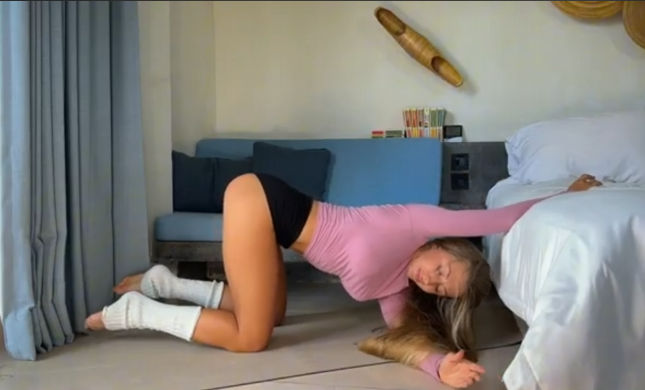
Sphinx Pose is another gentle backbend that is excellent for beginners.
While lying on your stomach, place your forearms on the floor with your elbows under your shoulders. Lift your chest and allow the spine to curve naturally.
Unlike deeper backbends, Sphinx Pose is calm and supportive, making it perfect for building strength without strain.
Stay in this pose for 30 seconds to one minute while breathing deeply.
Low Lunge Backbend
Tight hips can pull the body forward and affect posture. The low lunge backbend stretches the hip flexors while opening the chest.
Step one foot forward into a lunge position while lowering the opposite knee to the floor. Place your hands on your front thigh and gently lift your chest upward.
If comfortable, you can reach your arms overhead and lean slightly backward.
This movement stretches the front of the hips and encourages the spine to extend.
Hold the pose for several breaths before switching sides.
Camel Pose
Camel Pose is a deeper backbend that strongly opens the chest and shoulders.
Kneel on the floor with your knees hip-width apart. Place your hands on your lower back for support and slowly lift your chest upward.
If comfortable, you may reach your hands toward your heels while keeping your hips above your knees.
The key to Camel Pose is lifting the chest rather than collapsing into the lower back.
Take slow breaths and hold the pose for several seconds before gently returning to an upright position.
Camel Pose strengthens the back and stretches the entire front body, making it excellent for correcting slouched posture.
Bridge Pose
Bridge Pose is another effective backbend that builds strength and stability in the spine.
Lie on your back with your knees bent and feet flat on the floor. Press your feet into the ground and lift your hips toward the ceiling.
Interlace your hands beneath your back if possible and roll your shoulders slightly inward to open the chest.
Bridge Pose strengthens the glutes, lower back, and core muscles while stretching the chest and shoulders.
Hold the pose for about 20–30 seconds before slowly lowering your hips.
Finishing with Gentle Relaxation
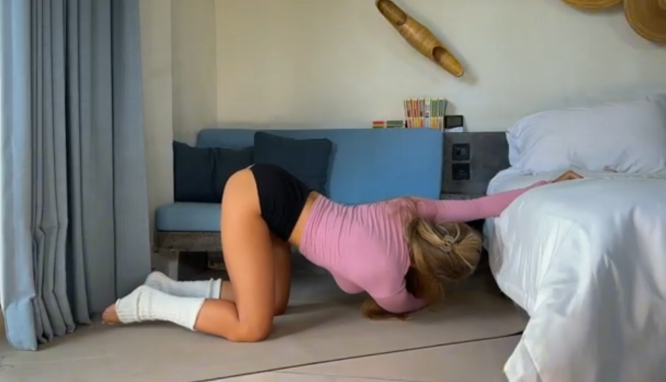
After practicing backbends, it’s important to balance the spine with gentle relaxation.
Child’s Pose is an excellent way to release the back after stretching. Sit back onto your heels and lower your chest toward the floor, allowing the spine to lengthen naturally.
Take slow breaths and allow the body to settle.
This final step helps the muscles relax and prevents stiffness after the practice.
Building a Consistent Practice
Improving posture takes time and consistency. Practicing a backbend stretch flow a few times per week can gradually strengthen the muscles that support healthy alignment.
A simple sequence might include:
- Cat–Cow Flow
- Cobra Pose
- Sphinx Pose
- Low Lunge Backbend
- Camel Pose
- Bridge Pose
- Child’s Pose
Performing each movement slowly and mindfully creates a balanced routine that supports spinal health.
The Long-Term Benefits
Backbend stretch flows offer many long-term benefits. They improve posture, increase spinal flexibility, strengthen back muscles, and encourage deeper breathing.
Over time, people often notice that they stand taller, move more freely, and experience less tension in their shoulders and neck.
Beyond physical changes, backbends also bring a sense of openness and energy. Many yoga practitioners say that these poses help them feel more confident and uplifted.
In a world where many of us spend hours leaning forward, taking time to open the chest and strengthen the back can make a powerful difference.
With patience, practice, and mindful movement, a simple backbend stretch flow can help restore balance to the body and bring lasting improvements to posture and overall well-being. 🧘♀️✨