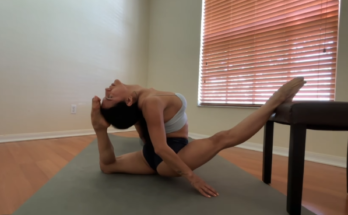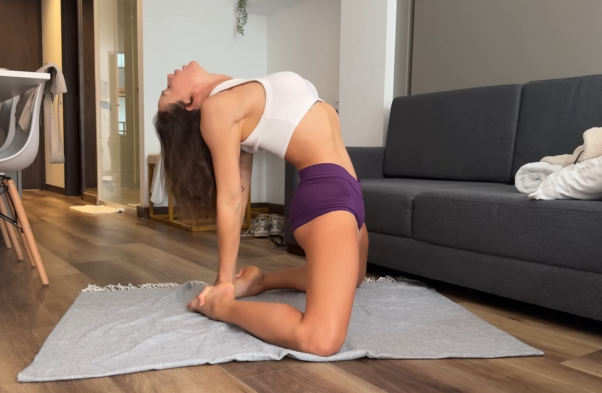
Backbends are more than just beautiful shapes — they are powerful movements that awaken the body, open the heart, and energize the mind. A backbend stretch routine inspired by Chebyjane focuses on creating strength and flexibility while encouraging a sense of confidence and ease in movement. Whether you are new to backbending or looking to deepen your practice, this routine offers a balanced approach that emphasizes safety, awareness, and gradual progression.
The Purpose of Backbends
Backbends counteract the forward-folding posture many of us adopt during daily activities like sitting, working at a computer, or using a phone. By opening the chest and lengthening the front body, they help improve posture, expand breathing capacity, and stimulate circulation.
Emotionally, backbends are often associated with openness. Many practitioners describe feeling uplifted or refreshed after practicing them, as if tension stored in the body has gently released.
Preparing the Body
Before moving into deeper backbends, warming up is essential. Begin with slow, mindful breathing. Inhale through the nose, allowing the ribs to expand, and exhale slowly, softening the shoulders.
Start with gentle movements:
- Neck rolls to release tension.
- Shoulder circles to mobilize the upper body.
- Cat-cow movements to warm the spine.
- Gentle side stretches to awaken the torso.
These preparatory steps help increase blood flow and reduce the risk of strain.
Foundation: Gentle Back Extension

A great way to begin is with a low back extension such as a prone chest lift. Lie on your stomach with hands under shoulders, press lightly into the floor, and lift the chest while keeping the neck long. Focus on length rather than height.
Hold for a few breaths, feeling the front body open and the back muscles engage.
This stage builds awareness of spinal movement and prepares you for deeper stretches.
Moving Into Heart-Opening Poses
Next, try a kneeling backbend. Place your hands on your lower back for support and gently lean back, lifting through the chest. Keep the hips stable and engage the core to protect the lower back.
Imagine your sternum lifting toward the ceiling rather than collapsing backward. This cue helps distribute the stretch evenly through the spine.
Stay here for several breaths, noticing the sensation across the chest and shoulders.
Exploring Deeper Backbends
As your body feels ready, you can explore deeper shapes such as supported bridge variations. Lying on your back with knees bent, press into your feet and lift the hips, interlacing fingers beneath you if comfortable.
This pose strengthens the posterior chain while opening the front body. Focus on grounding through the feet and lengthening the spine.
If you are experienced, you may experiment with more advanced variations, always maintaining steady breathing and control.
The Role of Breath
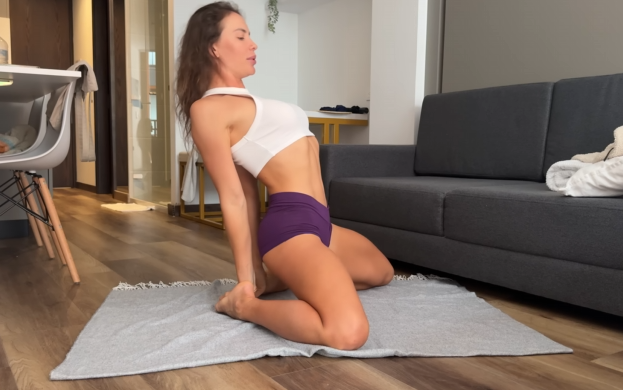
Breath is your guide throughout the routine. Inhale to create space, and exhale to soften into the stretch. Avoid holding your breath, as steady breathing helps the nervous system remain calm and supports safe movement.
Many practitioners find that visualizing breath flowing along the spine enhances their connection to the practice.
Listening to Your Body
One of the key principles in a Chebyjane-inspired routine is honoring your limits. Backbends should feel invigorating, not painful. If you experience discomfort, ease out of the pose and adjust your alignment.
Using props such as blocks, cushions, or a yoga wheel can provide support and allow you to explore depth gradually.
Strength and Stability
Backbends are not just about flexibility — they require strength. Engaging the legs, glutes, and core helps protect the spine and creates a sense of stability.
Think of the body as working together: the legs provide grounding, the core offers support, and the back muscles create lift. This integrated approach makes the practice both safe and effective.
Emotional Benefits
Many people notice emotional shifts during backbend routines. Opening the chest can create a feeling of vulnerability, but also liberation. It encourages letting go of tension and embracing a sense of openness.
After a session, you may feel lighter, more energized, or even more optimistic.
Cooling Down
After deeper stretches, it’s important to neutralize the spine. Gentle forward folds or hugging the knees to the chest can help release any residual tension.
Spend a few moments lying on your back, allowing the breath to return to its natural rhythm. Notice the warmth in your body and the calmness in your mind.
Building a Consistent Practice
Consistency is key to progress. Practicing a backbend routine a few times a week can gradually improve mobility and strength. Over time, movements that once felt challenging may become more accessible.
Remember that progress is not measured by how deep you bend, but by how comfortably and mindfully you move.
Creating a Supportive Environment

Choose a quiet space where you can focus without distraction. Soft lighting or calming music can enhance relaxation and make the experience more enjoyable.
Wearing comfortable clothing and using a supportive mat can also help you feel at ease.
Mindset Matters
Approach your practice with curiosity rather than expectation. Each session is an opportunity to learn about your body. Some days you may feel more open, while others may call for gentleness.
This mindset fosters patience and prevents unnecessary strain.
Integrating Into Daily Life
The benefits of backbending extend beyond the mat. Improved posture can make everyday movements feel easier, while increased body awareness can reduce tension during daily activities.
Even simple moments — standing tall, taking a deep breath — can reflect the openness cultivated during practice.
Final Reflection
A backbend stretch routine inspired by Chebyjane is an invitation to explore both strength and softness. It encourages you to open physically and emotionally, creating space for energy and vitality to flow.
As you finish your practice, take a moment to appreciate your effort. Notice how your body feels — perhaps more awake, more balanced, more connected.
Backbends remind us that growth often comes from gently expanding beyond comfort, supported by awareness and care. With patience and consistency, this routine can become a nourishing ritual that supports both body and mind.