4
Introduction: A Journey Into Deep Flexibility
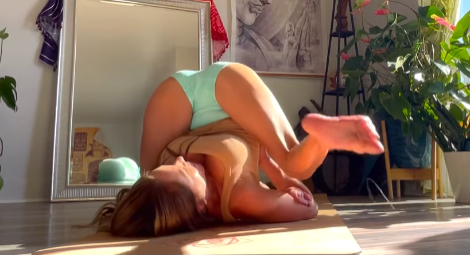
Contortion stretching and yoga invite us into a fascinating world where patience, breath, and body awareness come together to unlock extraordinary movement. Practicing with Penelope — a dedicated flexibility enthusiast and mindful mover — is less about extreme shapes and more about building a respectful relationship with your body.
Penelope often reminds her students that contortion is not about forcing yourself into dramatic poses. Instead, it’s about gradual opening, strength through control, and learning to listen closely to subtle signals within muscles and joints. Whether you’re a dancer, gymnast, yogi, or simply curious about improving flexibility, this practice can help you develop mobility, resilience, and confidence.
In this guide, we’ll explore the philosophy, techniques, and key stretches inspired by a “session with Penelope,” focusing on safe progression and mindful movement.
Penelope’s Philosophy: Flexibility With Intelligence
Penelope believes flexibility should be built like a conversation, not a command. She encourages slow progress, reminding practitioners that tissues adapt over time when treated with consistency and care.
Her core principles include:
- Warm up thoroughly before deep stretching
- Pair flexibility with strength
- Use breath to release tension
- Avoid comparing your progress to others
- Celebrate small improvements
Contortion training is a marathon, not a sprint. The most impressive shapes come from years of gentle persistence.
Preparing the Body: The Essential Warm-Up
Before attempting deeper stretches, Penelope begins every session with a full-body warm-up to increase circulation and reduce injury risk.
Start with 5–10 minutes of:
- Light cardio (marching, skipping, or gentle dancing)
- Arm circles and shoulder rolls
- Hip circles and spinal waves
- Dynamic lunges
- Gentle twists
The goal is to feel warm and mobile, not fatigued.
Penelope often says, “A warm body is a listening body.”
Spinal Awakening: Building a Strong Foundation


4
The spine plays a central role in contortion. Penelope emphasizes mobility across the entire spine rather than compressing one area.
Cat–Cow Flow
Move slowly between rounding and arching the back, coordinating movement with breath. This lubricates spinal joints and increases awareness.
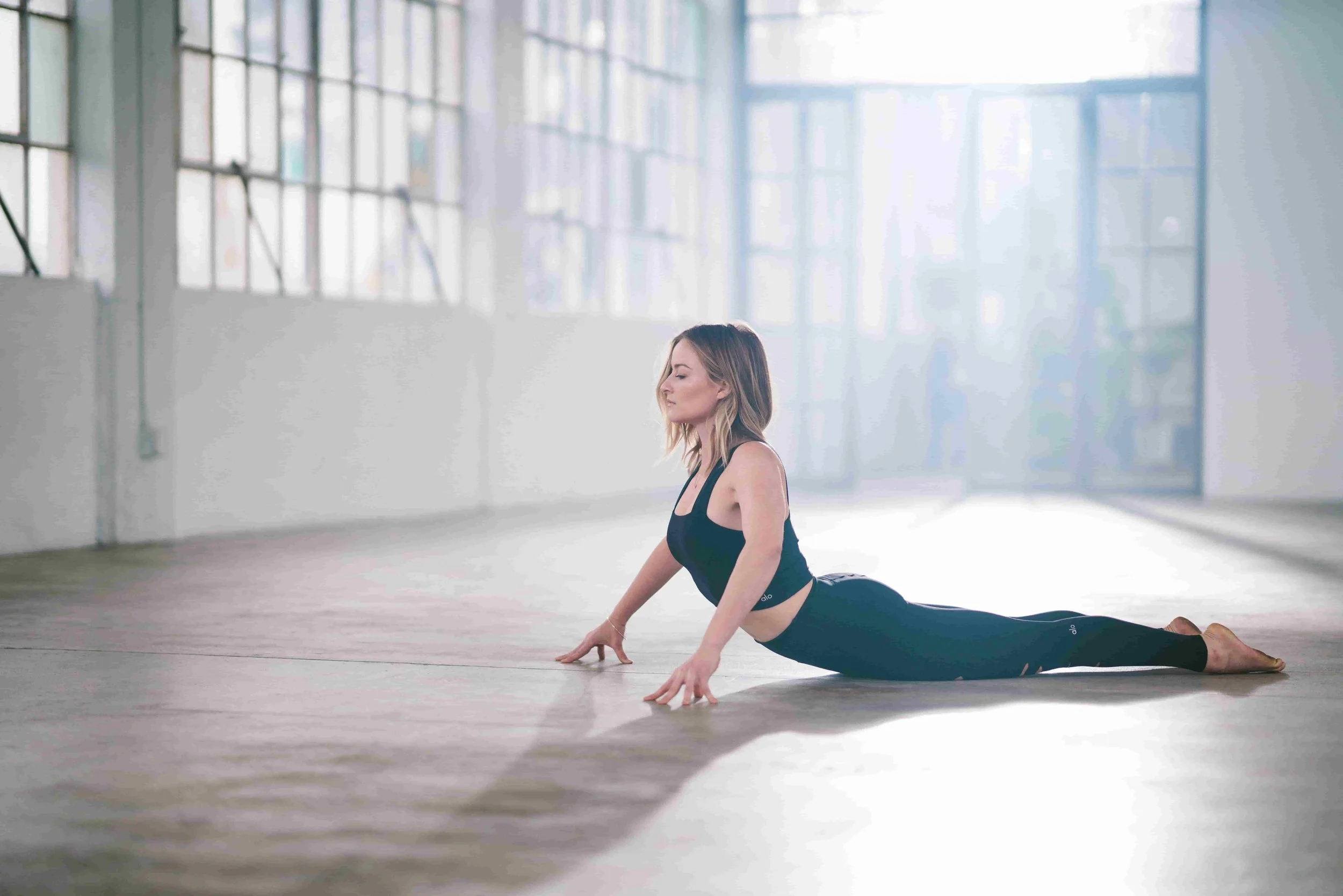
Cobra Pose
Lift the chest gently while keeping the pelvis grounded. Focus on length rather than height.
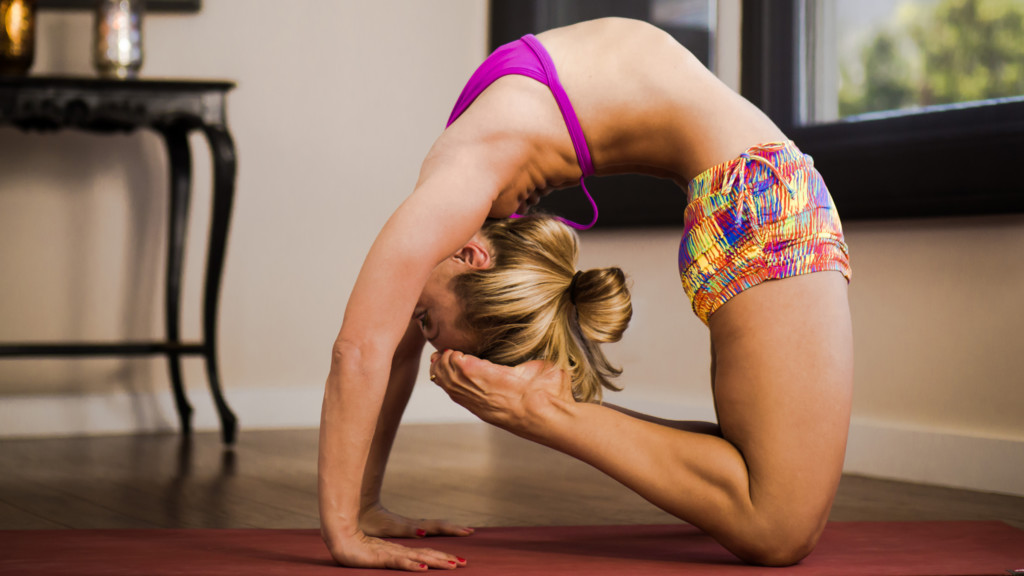
Camel Pose
Kneeling backbends open the chest and hip flexors while encouraging even spinal extension.
Bridge Pose
Strengthens the back body and prepares for deeper backbends.
Practicing these regularly builds a safe pathway toward more advanced shapes.
Hip Opening: Unlocking Range of Motion
Flexible hips are essential for splits, oversplits, and many contortion poses.
Penelope’s favorite hip openers include:
- Low lunge stretch
- Pigeon pose
- Frog stretch
- Butterfly stretch
Hold each position for slow, steady breaths. Relax the jaw and shoulders to reduce unnecessary tension.
She encourages imagining the hips “melting open” rather than pushing forcefully.
Leg Flexibility: Training Splits Safely
Splits are a cornerstone of contortion training. Penelope recommends working gradually, using props if needed.
Front Split Practice
Slide slowly into position with support under the hands. Keep hips square and engage the legs lightly to protect ligaments.
Middle Split Training
Use a wide stance or seated straddle. Lean forward gently while maintaining a long spine.
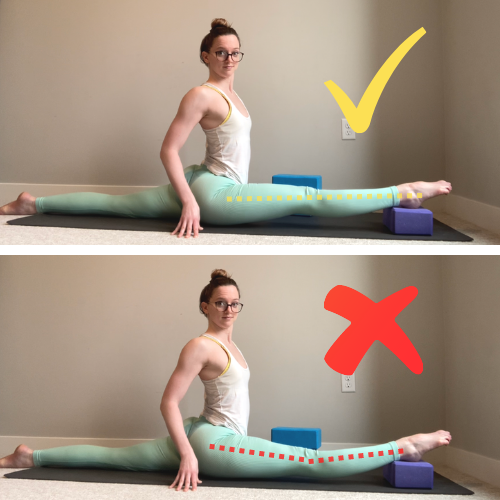
Oversplit Preparation
Elevate the front foot slightly using blocks to increase intensity gradually.
Consistency matters more than depth — even small daily efforts lead to progress.
Backbend Exploration: The Art of the Arch
Backbends are often the highlight of contortion sessions. Penelope teaches students to think of the spine as a flowing curve.
Key cues:
- Lift through the sternum
- Engage core muscles
- Distribute the bend evenly
- Avoid collapsing into the lower back
Practicing wall backbends or supported bridges helps build confidence safely.
With time, deeper poses like chest stands or needle scales become accessible.
Strength Matters: Active Flexibility Training
One of Penelope’s biggest lessons is that flexibility without strength can lead to instability. She incorporates conditioning exercises such as:
- Leg lifts
- Back extensions
- Core holds
- Glute bridges
- Resistance band work
Active flexibility — controlling the range you gain — is what makes movements safe and sustainable.
The Role of Breath: Unlocking Tension

Breathing deeply signals the nervous system to relax, allowing muscles to release protective tightness.
Penelope encourages this rhythm:
- Inhale — create space
- Exhale — soften into the stretch
Slow breathing transforms stretching from effort into exploration.
Mental Focus: Cultivating Patience
Contortion training teaches humility. Some days the body feels open; other days it resists. Penelope reminds students to approach practice with curiosity instead of frustration.
Mindset tips:
- Stay present in each movement
- Appreciate progress over perfection
- Rest when needed
- Trust the process
Flexibility grows quietly over time.
Recovery and Self-Care
Deep stretching places demands on the body, so recovery is essential.
Penelope recommends:
- Gentle cool-down stretches
- Hydration
- Light massage or foam rolling
- Adequate sleep
- Rest days
These habits support tissue repair and prevent overuse injuries.
Common Mistakes to Avoid
Even experienced practitioners can fall into these traps:
❌ Forcing into painful ranges
❌ Skipping warm-ups
❌ Holding breath
❌ Ignoring joint discomfort
❌ Training intensely without recovery
Listening to your body is the most important skill in contortion.
A Sample Session With Penelope
- Warm-up — 10 minutes
- Spinal mobility — 10 minutes
- Hip and leg stretches — 15 minutes
- Backbend practice — 15 minutes
- Strength work — 10 minutes
- Relaxation — 5 minutes
This balanced structure supports both flexibility and strength.
Emotional Benefits of Deep Stretching
Many practitioners find contortion yoga deeply grounding. Moving slowly and breathing intentionally can reduce stress and enhance body awareness.
Benefits often include:
- Increased confidence
- Emotional release
- Improved focus
- Greater connection to movement
Flexibility training becomes a form of moving meditation.
Who Is This Practice For?
Contortion stretching can benefit:
- Dancers and performers
- Gymnasts
- Yoga practitioners
- Athletes improving mobility
- Anyone exploring mindful movement
Beginners can start gently, while advanced students can explore deeper ranges.
Safety Reminder
Always move within a comfortable range. Sharp or joint pain is a signal to stop. If you have injuries or medical conditions, consult a qualified professional before beginning intense flexibility training.
Closing Thoughts: Grace Through Dedication
Practicing contortion stretching and yoga with Penelope is a reminder that extraordinary flexibility grows from ordinary consistency. Each session is an opportunity to explore, to soften, and to strengthen — not just physically, but mentally as well.
Over time, movements become smoother, breath flows more easily, and confidence expands. The journey teaches patience, discipline, and respect for the body’s incredible adaptability.
Whether you dream of deep backbends, elegant splits, or simply moving more freely, the path is the same: show up, breathe, and progress step by step.
Flexibility is not about how far you can bend — it’s about how deeply you can listen.