4
A total body stretch session is one of the simplest yet most powerful ways to improve your overall health. Whether you are an athlete, a busy professional, a student, or someone just beginning a fitness journey, stretching benefits everyone. It improves flexibility, reduces muscle tension, enhances circulation, and helps prevent injuries. Most importantly, it makes your body feel lighter, looser, and more energized.
This Total Body Stretch Session for All Levels is designed to be accessible and adaptable. Beginners can move gently and focus on range of motion, while more advanced individuals can deepen each pose and increase hold times. All you need is a comfortable space, a mat if possible, and 20–40 minutes of your time.
Let’s move step by step from head to toe.
Why Total Body Stretching Matters
Stretching is not just something you do after a workout. It is essential for maintaining mobility and healthy joints. When muscles become tight, they restrict movement and can cause discomfort or imbalance. A full-body session ensures that no area is neglected.
Benefits include:
- Improved posture
- Reduced muscle soreness
- Increased blood flow
- Better coordination
- Stress relief
- Enhanced flexibility over time
Consistent stretching also supports mental clarity. Slow breathing and mindful movement calm the nervous system and help release daily stress.
Warm-Up: Gentle Activation (5 Minutes)
Before deep stretching, warm your body slightly. Cold muscles are less flexible and more prone to strain.
1. Neck Rolls
Stand tall and gently roll your head from side to side. Avoid dropping your head fully backward. Move slowly and breathe deeply.
2. Shoulder Rolls
Lift shoulders up toward ears, roll them back, then down. Repeat 10 times. Reverse direction.
3. Arm Swings
Swing arms forward and backward to increase circulation in the shoulders and chest.
4. Light March or Step Touch
Move in place for one minute to gently raise body temperature.
Now your body is ready for deeper stretching.
Upper Body Stretch Series
Standing Side Stretch
Stand with feet hip-width apart. Raise one arm overhead and lean gently to the opposite side. Feel the stretch along your side body. Hold 20–30 seconds per side.
Modification: Keep your hand on your hip for balance.
Advanced: Reach further and slightly rotate your chest upward.
Chest Opener
Clasp hands behind your back and gently lift your arms while opening your chest. Keep your shoulders relaxed.
This stretch counters poor posture from sitting at desks or looking at screens.
Cross-Body Shoulder Stretch
Bring one arm across your chest and hold it with the opposite hand. Keep shoulders down and relaxed.
This improves shoulder mobility and reduces tension.
Core and Spine Mobility
Cat-Cow Stretch
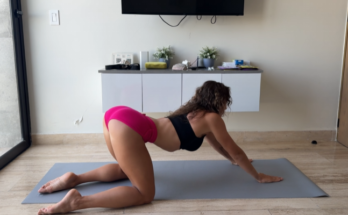
Begin on hands and knees. Inhale, drop your belly and lift your chest (Cow). Exhale, round your spine and tuck your chin (Cat).
Repeat for 8–10 slow breaths. This movement improves spinal flexibility and warms up the back.
Seated Spinal Twist
Sit upright with legs extended. Bend one knee and place the foot outside the opposite leg. Twist toward the bent knee.
Keep your spine tall. Hold 20 seconds per side.
Twisting improves spinal mobility and helps relieve stiffness.
Lower Body Stretch Series
Forward Fold
Stand tall, hinge at the hips, and fold forward. Let your head relax toward the floor.
Beginner: Slightly bend knees.
Advanced: Straighten legs and gently pull deeper.
This stretch targets hamstrings and lower back.
Quad Stretch
Stand on one leg, hold the opposite foot behind you, and gently pull toward your glutes. Keep knees close together.
Hold 20–30 seconds per side.
Hip Flexor Lunge Stretch
Step one foot forward into a lunge position. Lower the back knee to the ground and gently push hips forward.
This stretch is especially helpful for people who sit for long periods.
Figure Four Stretch
Lie on your back and cross one ankle over the opposite knee. Pull the supporting leg toward your chest.
This deeply stretches the hips and glutes.
Deep Relaxation Stretches
Seated Forward Fold
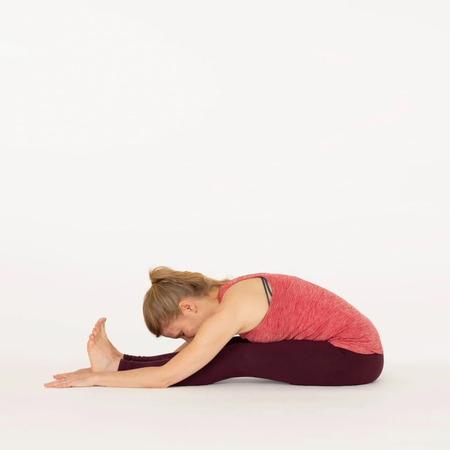
Sit with legs extended. Reach forward toward your toes. Focus on lengthening your spine rather than rounding excessively.
Breathe slowly and hold for 30–60 seconds.
Child’s Pose
Kneel on the floor, sit back on your heels, and extend arms forward. Rest your forehead on the mat.
This pose gently stretches the back, shoulders, and hips while promoting relaxation.
Supine Spinal Twist
Lie on your back, extend arms outward, and drop both knees to one side. Turn your head in the opposite direction.
Hold 30 seconds per side.
This helps release lower back tension and improve mobility.
Breathing and Mindfulness
Stretching is more effective when paired with proper breathing.
- Inhale through your nose for 4 seconds.
- Exhale slowly for 6 seconds.
- Relax into each stretch during exhale.
Deep breathing reduces muscle tension and enhances flexibility. It also signals your body to relax, making stretches feel easier.
Modifications for All Levels
This session is designed to be adaptable.
For Beginners:
- Shorten hold times (15–20 seconds).
- Use blocks or pillows for support.
- Avoid bouncing movements.
- Focus on gentle range of motion.
For Intermediate/Advanced:
- Increase hold times to 45–60 seconds.
- Add deeper variations.
- Engage muscles slightly while stretching to improve control.
- Combine stretches into flowing sequences.
Remember, flexibility improves gradually. Consistency is more important than intensity.
How Often Should You Stretch?
For general health, perform a total body stretch session 3–5 times per week. If you exercise frequently, stretching after workouts enhances recovery. Even 10 minutes daily can create noticeable improvements in mobility and comfort.
If you experience chronic tightness in certain areas, focus on those muscles consistently while maintaining balance throughout the body.
Common Mistakes to Avoid
- Holding your breath.
- Forcing yourself into pain.
- Skipping warm-up.
- Bouncing aggressively.
- Rushing through stretches.
Stretching should feel relieving, not painful. Mild tension is normal, but sharp discomfort is a sign to ease off.
Sample 30-Minute Total Body Routine
- Warm-up: 5 minutes
- Upper body stretches: 7 minutes
- Core & spine mobility: 5 minutes
- Lower body stretches: 8 minutes
- Relaxation poses & breathing: 5 minutes
Adjust timing based on your schedule.
Long-Term Benefits
With regular practice, you will notice:
- Greater range of motion
- Improved posture
- Reduced stiffness
- Easier movement during workouts
- Better body awareness
- Improved relaxation and sleep
Stretching supports longevity. It keeps joints healthy and muscles responsive as you age.
Final Thoughts
A Total Body Stretch Session for All Levels is one of the most effective ways to care for your body. It requires no fancy equipment, no expensive memberships, and no advanced skill level. Just patience, consistency, and mindful breathing.
Whether you are recovering from a workout, preparing for activity, or simply unwinding after a long day, stretching helps your body reset and restore balance.
Move slowly. Breathe deeply. Listen to your body.
Over time, these simple sessions will help you feel stronger, lighter, and more flexible—both physically and mentally.