Gentle yoga is a quiet antidote to a noisy world. When life feels fast, demanding, or overwhelming, the body often responds by producing more cortisol—the stress hormone that keeps us alert but, when elevated for too long, leaves us tense, restless, and exhausted. This gentle yoga flow for relaxation is designed to help lower cortisol naturally by calming the nervous system, softening the breath, and encouraging the body to feel safe enough to rest. It is not about effort or achievement. It is about slowing down and allowing calm to return.
Cortisol rises when we rush, worry, or push ourselves beyond our limits. Gentle yoga works in the opposite direction. Through slow movements, supportive postures, and mindful breathing, the body shifts out of “fight or flight” mode and into a state of rest and repair. Over time, this practice can help improve sleep, digestion, mood, and overall well-being.
Begin by setting aside a peaceful space. You do not need anything elaborate—just a mat or soft surface, comfortable clothing, and a willingness to pause. Dim the lights if possible, or allow soft natural light to fill the room. This practice begins the moment you decide to slow down.
Start by lying on your back with your knees bent and feet resting on the floor. Let your arms relax by your sides, palms facing up or down, whatever feels more grounding. Gently close your eyes. Take a moment to notice how your body feels without trying to change anything. Notice the weight of your body sinking into the floor, the subtle rhythm of your breath, the contact points where you are supported.
Bring one hand to your chest and the other to your belly. Breathe slowly through your nose. As you inhale, feel the belly rise softly. As you exhale, feel it fall. This style of breathing signals the nervous system that it is safe to relax. Each slow exhale encourages cortisol levels to decrease, replacing tension with ease.
Stay here for several breaths, allowing your mind to settle. Thoughts may come and go. Instead of following them, gently return your attention to the sensation of breathing. This simple awareness is one of the most powerful tools for calming the body.
Begin gentle movement by bringing your knees into your chest. Wrap your arms around your legs in a soft hug. Rock slowly from side to side if it feels good, massaging the lower back. This comforting movement releases tension in the spine and hips, areas that often hold stress.
Place your feet back on the mat, hip-width apart, and begin slow pelvic tilts. On an inhale, gently arch your lower back. On an exhale, flatten it into the floor. Move slowly, guided by your breath rather than force. These subtle movements encourage relaxation in the lower spine and pelvis, helping the body feel grounded and supported.
Let your knees fall together, resting lightly against each other. This inward position allows the hips to soften. Stay for a few breaths, noticing how little effort is required to hold this shape. Gentle yoga reminds us that we do not need to work hard to feel calm.
Bring the soles of your feet together and allow your knees to open outward into a reclined butterfly pose. Support your knees with pillows or blankets if there is any strain. Place one hand on your heart and one on your belly. Breathe slowly. With each exhale, imagine tension melting away from your hips, your abdomen, and your lower back.
This posture encourages a sense of openness while remaining deeply restful. When the body feels supported, the nervous system can fully let go.
Slowly draw your knees back together and roll onto your side. Take your time coming up to a seated position. Sit comfortably, perhaps on a folded blanket, allowing your spine to rise naturally. There is no need to sit rigidly upright. Comfort is key.
Begin gentle neck movements, tilting your head side to side. Move slowly and stop before any discomfort. Stress often accumulates in the neck and shoulders, and these small movements help release it safely. Circle your shoulders forward and back, letting them drop away from your ears.
Place your hands on your thighs and begin soft spinal movements. Inhale as you gently lift your chest, opening the front of the body. Exhale as you round your spine, chin toward chest. These movements are slow and fluid, connecting breath and motion. Each exhale encourages relaxation and a reduction in stress hormones.
Transition onto hands and knees. Set yourself up comfortably, using padding under your knees if needed. Begin gentle cat and cow movements, allowing the pelvis to lead. Inhale to arch the spine slightly, exhale to round. Keep the movement smooth and unhurried. Pause between each round to notice sensations.
From tabletop, gently sway your hips side to side. This releases tension in the lower back and encourages the body to feel loose and free. Let your head and neck relax completely.
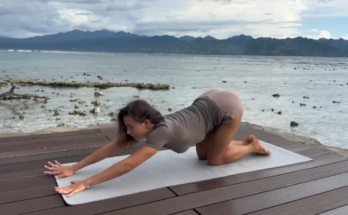
Ease your hips back into a child’s pose. Knees can be together or wide, whichever feels more supportive. Allow your torso to rest on your thighs or a cushion. Extend your arms forward or let them relax by your sides. This pose deeply calms the nervous system and signals rest.
Stay here for several breaths, feeling the expansion of your back as you inhale and the softening as you exhale. With every breath, cortisol levels continue to lower as the body settles into safety.
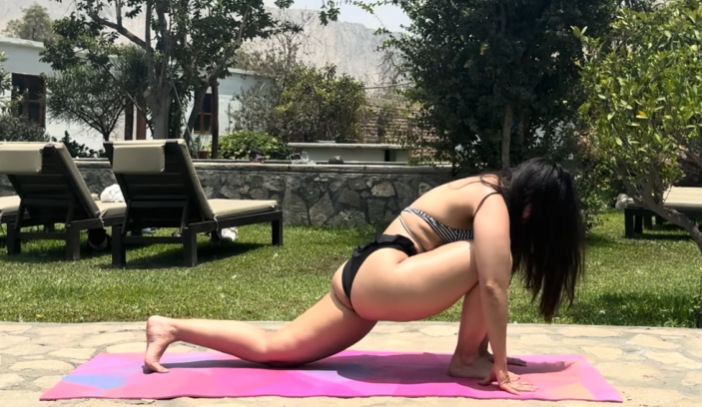
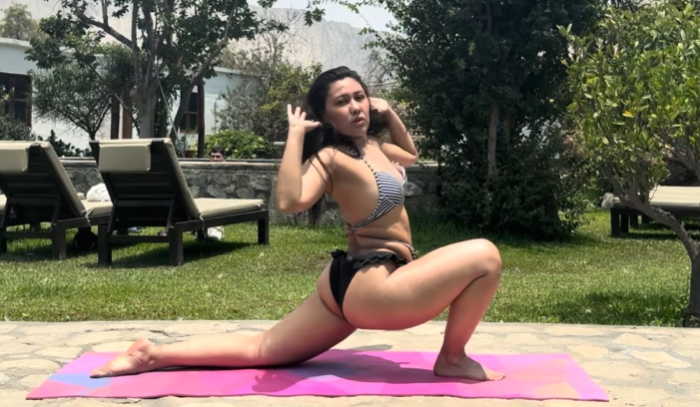
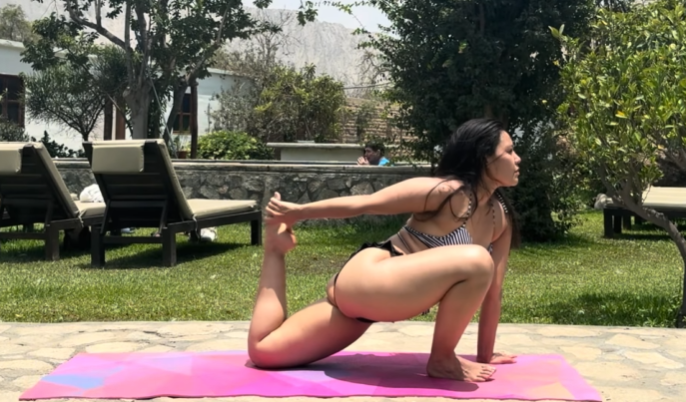
Slowly rise and step one foot forward into a low lunge. Keep the movement gentle. Place your hands on your thighs or hips. Let your hips sink only slightly. Tight hip flexors are common in stressful lifestyles, especially with long hours of sitting. This gentle opening helps release stored tension without overstimulation.
Lift your torso softly, creating space across the chest. Breathe calmly. Switch sides slowly, maintaining a relaxed pace.
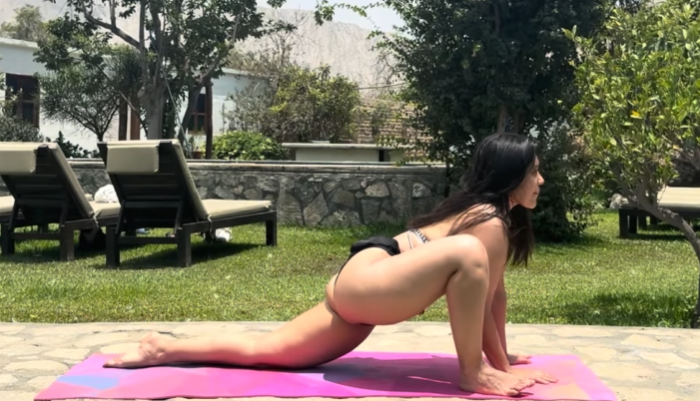
Lower yourself onto your belly and rest one cheek on the mat. Allow your body to fully relax. Then gently lift into a low sphinx pose, elbows under shoulders, chest lifting slightly. Keep the neck long and relaxed. This mild backbend stimulates circulation while maintaining calm.
Lower back down and transition into a child’s pose once more, balancing the spine and allowing relaxation to return.
Roll onto your back for final stretches. Hug your knees into your chest, then let them fall to one side for a gentle spinal twist. Extend your arms out and let gravity guide the stretch. Twists help release residual tension and promote a sense of ease. Switch sides slowly.
As the practice comes to a close, extend your legs and arms into a comfortable resting position. Settle into savasana. This is where the benefits of the gentle yoga flow fully integrate. Allow your body to be completely supported. There is nothing left to do.
Bring your awareness back to your breath. Notice how it feels now—perhaps slower, deeper, more natural. Observe the calm spreading through your body. The mind may feel quieter, the muscles softer, the heart steadier.
Rest here for several minutes. This stillness is not empty; it is deeply nourishing. It is where cortisol levels stabilize and the body remembers how to rest.
When you are ready, gently bring small movements back into your fingers and toes. Roll onto one side and slowly come up to a seated position. Take a final moment to notice how you feel.
Gentle yoga for relaxation teaches us that calm is not something we must chase. It is something we allow. By moving slowly, breathing deeply, and listening to the body, we create the conditions for stress to dissolve naturally.
Carry this sense of ease with you into the rest of your day. Let your movements be softer, your breath steadier, your pace kinder. Each time you return to this gentle flow, you remind your body that it is safe to relax, to let go, and to feel calm again.