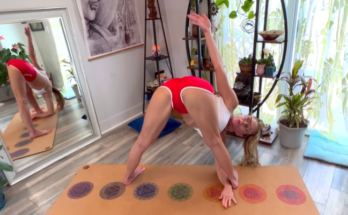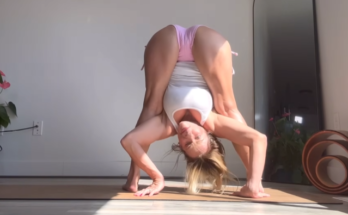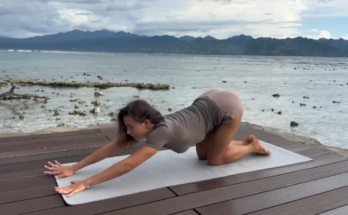
Gentle yoga for full body relaxation is not about stretching farther or holding poses longer. It is about creating safety in the body so that true release can happen. In this practice, the focus is soft, patient, and deeply attentive—especially around the pelvis, a part of the body that quietly holds stress, emotion, and tension from daily life. By inviting the pelvis to relax and open, we allow relaxation to ripple outward, touching the spine, the breath, and the nervous system as a whole.
The pelvis is the body’s center of gravity. It supports the spine, houses powerful muscles, and plays a key role in balance, posture, and emotional grounding. When the pelvis is tense or restricted, the rest of the body often compensates, leading to tight hips, an overworked lower back, shallow breathing, and a sense of restlessness. Gentle yoga offers a compassionate way to unwind this area without force, encouraging ease instead of effort.
Begin by preparing a quiet, comfortable space. Use a yoga mat, blanket, or soft surface. You may want props such as a pillow or folded towel to support your body. This practice is about comfort, so adjust freely. Dim the lights, silence distractions, and give yourself permission to slow down. This time is not for productivity—it is for presence.
Start by lying on your back with your knees bent and feet resting on the mat, hip-width apart. Allow your arms to rest by your sides, palms facing up or down, whichever feels more natural. Close your eyes if that feels safe. Take a few slow breaths, noticing how your body makes contact with the ground. Feel the weight of your pelvis resting heavily, supported and held.
Bring your attention to your breath. Do not try to change it. Simply observe how it moves through your body. Notice whether your breath reaches your belly or stays high in your chest. As you inhale, imagine the breath gently filling the space around your pelvis. As you exhale, imagine the muscles of your hips and lower belly softening and spreading.
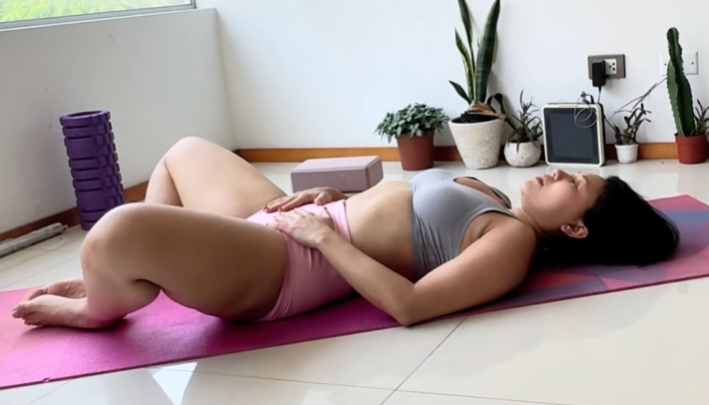
This gentle awareness begins the process of relaxation. The pelvis often tightens unconsciously, especially in response to stress or emotional holding. By bringing calm attention here, you send a signal of safety to the nervous system.
Slowly begin pelvic tilts. On an inhale, gently arch your lower back, tipping the pelvis forward slightly. On an exhale, flatten your lower back into the mat, tipping the pelvis back. Move slowly, almost lazily, allowing the movement to be guided by your breath. This small motion helps lubricate the joints of the lower spine and brings awareness to subtle pelvic movement.
Pause often. Notice how the muscles respond. There is no need to exaggerate the movement. Even the smallest tilt can create release when done with attention and patience.
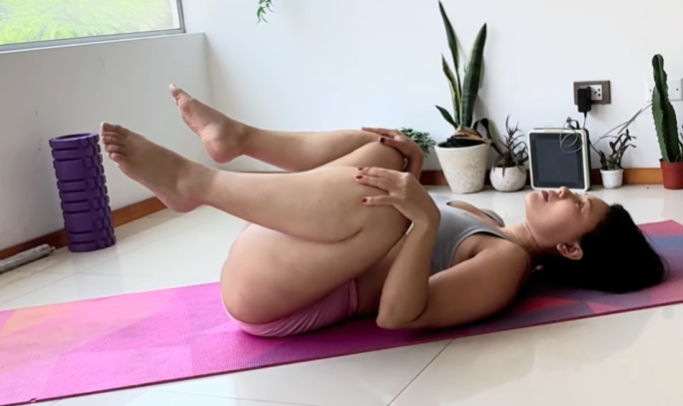
Bring your knees in toward your chest and rest your hands on your shins. Gently rock from side to side, massaging the lower back and sacrum. This movement soothes the nervous system and encourages the pelvis to let go of gripping. If rocking does not feel good, simply hold still and breathe.
Place your feet back on the mat and let your knees fall together, touching lightly. This position allows the hip muscles to soften inward. Rest here for several breaths, feeling the warmth and relaxation build in the pelvic region.
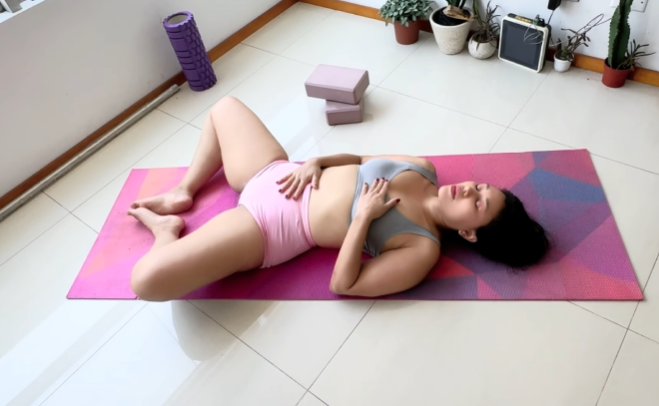
Next, bring the soles of your feet together and allow your knees to open out to the sides in a reclined butterfly position. Support your knees with pillows or folded blankets if there is any strain. This is an important part of inviting the pelvis to open without force. When supported, the body feels safe enough to release.
Place one hand on your lower belly and the other on your heart. Breathe slowly. With each exhale, imagine tension draining down into the earth. The inner thighs, hips, and pelvic floor gradually soften. This pose encourages openness not only physically but emotionally, as the pelvis is often linked to feelings of vulnerability and control.
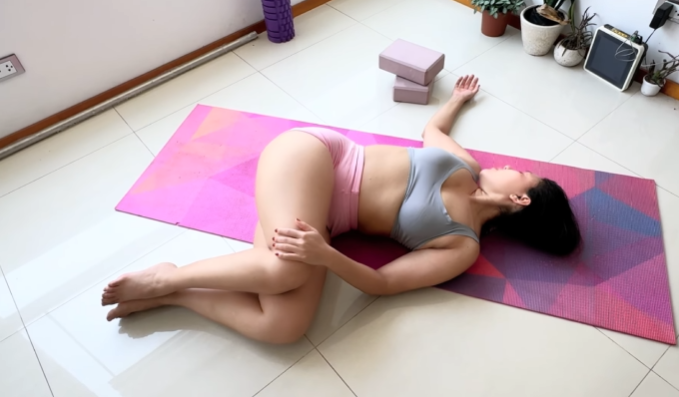
After several minutes, gently bring your knees back together and hug them into your chest. Roll onto one side and come up to a seated position slowly. Sit comfortably, perhaps on a cushion, allowing your pelvis to tilt naturally rather than forcing an upright posture.
Begin gentle seated circles with your pelvis. Lean slightly forward, then to one side, then back, creating slow, circular movements. These circles can be very small. They help restore fluidity to the hip joints and encourage relaxation in the pelvic floor. Move in one direction for several breaths, then switch.
Bring your hands to your thighs and begin gentle spinal waves. Inhale as you lift your chest slightly, allowing the pelvis to tip forward. Exhale as you round your back, letting the pelvis tip back. This coordinated movement connects the pelvis to the spine, reminding the body that movement can be smooth and pleasurable.
Transition onto hands and knees. Set yourself up comfortably, using padding under the knees if needed. Begin slow cat and cow movements, allowing the pelvis to lead. As you inhale, the pelvis tilts forward, the belly softens, and the chest opens. As you exhale, the pelvis tilts back, the belly draws in gently, and the spine rounds. Keep the movement slow and fluid.
Pause in a neutral position and gently sway your hips side to side. This side-to-side motion releases tension in the lower back and hip muscles. Let your head and shoulders relax completely.
Ease your hips back into a wide-knee child’s pose, allowing your pelvis to sink toward your heels. Support your body with cushions if needed. Rest your torso forward and allow your forehead to relax. This pose offers deep comfort and encourages the pelvic floor to soften naturally under the influence of gravity and breath.
Stay here for several minutes, breathing slowly. With each inhale, feel the back of your pelvis expand. With each exhale, feel it settle and release.
Slowly rise and bring one leg forward into a low lunge. Keep the movement gentle and controlled. Place your hands on your hips or thighs for support. Allow your hips to sink only as far as feels comfortable. This stretch invites the hip flexors and front of the pelvis to open, areas that often tighten from prolonged sitting.
Switch sides slowly, noticing differences between the left and right. Avoid pushing. The goal is sensation, not depth.
Lower yourself down to your back again. Draw one knee into your chest while extending the other leg along the mat. Hold gently behind the thigh or shin. This stretch releases the hip and lower back without strain. Switch sides with care.
Take a gentle supine twist, allowing your knees to fall to one side while your arms open wide. Twists help release tension in the muscles surrounding the pelvis and encourage a sense of spaciousness in the lower body. Stay for several breaths before switching sides.
As the practice comes to an end, extend your legs and arms into a comfortable resting position. Settle into full body relaxation. Allow your pelvis to rest heavy and wide. Feel the support beneath you.
Bring your awareness back to your breath. Notice how it feels now compared to the beginning of the practice. Perhaps it is deeper, slower, or more relaxed. Observe the sensations in your pelvis—maybe warmth, softness, or a sense of openness.
This gentle yoga practice reminds us that relaxation cannot be forced. When we invite the pelvis to relax and open with patience and kindness, the entire body responds. The mind quiets, the breath deepens, and a sense of ease spreads naturally.
As you slowly return to movement, carry this feeling of softness with you. Let it influence how you sit, how you walk, how you breathe throughout your day. Gentle yoga for full body relaxation is not just something you do—it is a way of being, rooted in listening, trust, and care.