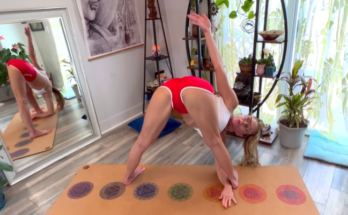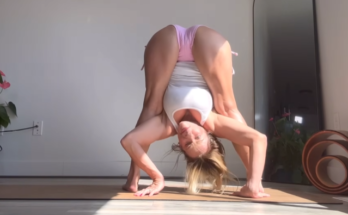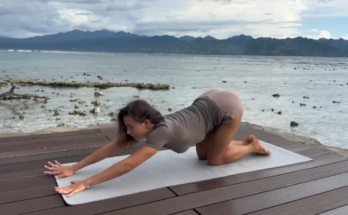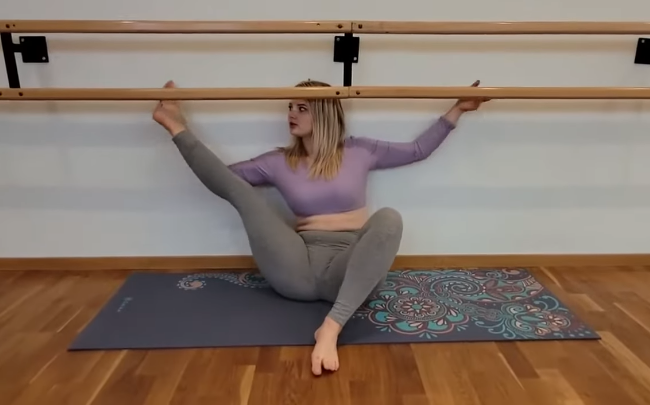
Suppleness is the foundation of graceful, powerful, and pain-free movement. Whether you are training in contortion, gymnastics, dance, or simply seeking a body that moves freely, staying supple allows joints to glide smoothly, muscles to lengthen safely, and the nervous system to remain calm and responsive. Among the most important areas to maintain suppleness are the shoulders, spine, and hips—regions that absorb daily stress and play a critical role in advanced movement.
Shoulder rolls and targeted stretches are especially valuable in contortion and gymnastics, where upper-body mobility and control are essential. These exercises not only improve flexibility but also build strength through range, protect joints, and enhance overall coordination. A well-rounded stretching practice keeps the body resilient, balanced, and ready for movement.
Understanding Suppleness in Movement
Suppleness is often misunderstood as simply being flexible. In reality, it is the combination of mobility, strength, and control. A supple body can move smoothly between positions, absorb impact, and adapt to different demands without stiffness or strain.
In contortion and gymnastics, suppleness allows seamless transitions between shapes, safe backbends, and controlled inversions. Without suppleness, flexibility becomes unstable, and strength becomes rigid. Stretching exercises designed to stay supple focus on fluid motion, joint health, and balanced muscular development.
Why Shoulder Mobility Matters
The shoulders are among the most mobile and complex joints in the body. They support weight-bearing in gymnastics, deep backbends in contortion, and expressive arm movement in dance. At the same time, they are vulnerable to tension and injury if not properly cared for.
Daily activities such as sitting, typing, and carrying bags often lead to rounded shoulders and limited mobility. Shoulder rolls and targeted stretches counteract these habits by restoring natural movement patterns, increasing circulation, and releasing tight muscles.
Healthy shoulders are not only flexible but also strong and stable. Stretching must always be paired with controlled movement to protect the joint.
Shoulder Rolls: A Fundamental Exercise
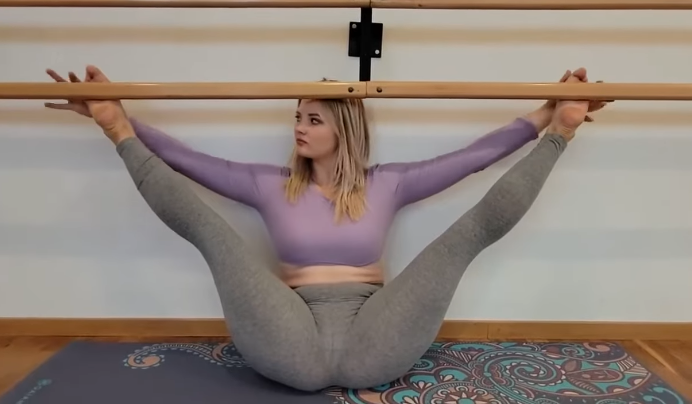
Shoulder rolls are one of the simplest yet most effective exercises for staying supple. They gently mobilize the shoulder joint, warm the muscles, and improve coordination between the shoulders, neck, and upper back.
Slow, controlled rolls performed forward and backward help release tension in the trapezius and deltoids. Larger circular motions encourage full joint range, while smaller rolls refine control. Coordinating shoulder rolls with breath enhances relaxation and awareness.
In contortion and gymnastics, shoulder rolls serve as an essential warm-up, preparing the body for more demanding stretches and weight-bearing positions.
Dynamic Shoulder Mobility for Contortion
Dynamic stretching is a key component of contortion training. Unlike static stretching, dynamic movements improve mobility while maintaining muscular engagement. Arm circles, swings, and controlled reaches help open the shoulders without overstretching.
Moving the arms through different planes—overhead, behind the body, and across the chest—ensures balanced shoulder flexibility. These movements mimic the demands of contortion and gymnastics skills, making them highly functional.
Performing dynamic shoulder exercises slowly and mindfully allows the body to adapt safely while increasing range of motion.
Gymnastics-Based Shoulder Stretches
Gymnastics places significant demands on the shoulders, particularly during handstands, bars, and floor work. Stretching routines for gymnasts focus on overhead mobility, scapular control, and chest opening.
Wall-supported stretches help align the shoulders correctly while reducing strain. Plank variations and shoulder shrugs build strength while stretching the upper back and shoulders. These exercises improve joint stability and prepare the body for advanced skills.
Maintaining proper alignment during stretches ensures that flexibility gains translate into safe and effective movement.
Spine and Upper Back Suppleness
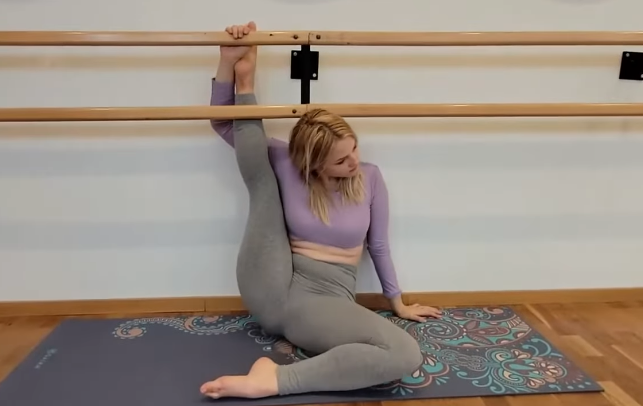
Shoulder mobility is closely connected to spinal flexibility, especially in the upper back. A stiff thoracic spine limits shoulder range and increases stress on the neck and lower back.
Gentle spinal rolls, cat-cow movements, and upper back extensions improve mobility and coordination. These exercises distribute movement evenly along the spine, preventing compression in one area.
For contortionists, spinal suppleness supports deeper backbends and smoother transitions. For gymnasts, it enhances power and control in dynamic movements.
Controlled Backbends and Chest Openers
Backbends are a hallmark of contortion and a valuable element in gymnastics stretching. However, they must be approached with care and preparation.
Supported chest openers allow the shoulders to release gradually while protecting the lower back. Engaging the core and glutes stabilizes the spine and prevents overextension. Backbends performed with control build flexibility while reinforcing strength.
These exercises open the front of the body, counteracting the forward posture common in daily life and promoting balanced movement.
Staying Supple Through Full-Body Integration
True suppleness extends beyond isolated joints. A full-body approach ensures that movement flows freely from one area to another. Tight hips can affect spinal movement, while stiff legs can alter shoulder alignment.
Full-body stretches incorporate gentle rotations, side bends, and coordinated movements that connect the upper and lower body. This integration enhances athletic performance and reduces injury risk.
For contortion and gymnastics, full-body suppleness allows for complex shapes and transitions that feel effortless rather than forced.
Breathing for Suppleness
Breathing plays a powerful role in staying supple. Slow, deep breathing calms the nervous system and reduces muscle guarding. Coordinating breath with movement encourages relaxation and improves stretch depth.
Exhaling during shoulder rolls or chest openers allows tension to release naturally. Over time, this breath awareness trains the body to relax into movement rather than resist it.
In high-level training, breath control supports endurance, focus, and precision.
Stretching for Longevity and Injury Prevention
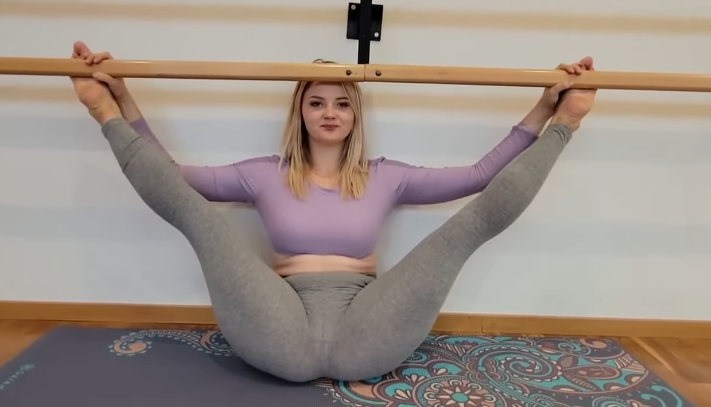
Suppleness is essential for long-term health in movement-based disciplines. Regular stretching maintains joint lubrication, improves circulation, and reduces wear on connective tissues.
Shoulder rolls and controlled stretches help prevent common injuries such as impingement, strains, and stiffness. They also aid recovery by promoting blood flow and relaxation after intense training.
Listening to the body and adjusting intensity as needed ensures that stretching remains supportive rather than stressful.
Consistency Over Intensity
Staying supple requires consistency rather than extreme effort. Short daily sessions are more effective than occasional intense stretching. Even a few minutes of shoulder rolls and gentle mobility can make a noticeable difference.
Progress is gradual and varies from person to person. Respecting individual limits and focusing on quality of movement builds sustainable flexibility.
Suppleness is a lifelong practice, evolving with the body over time.
Integrating Stretching Into Daily Life
Stretching does not have to be limited to training sessions. Shoulder rolls, gentle spinal movements, and breath awareness can be incorporated into daily routines.
Taking brief movement breaks during the day prevents stiffness and reinforces healthy posture. These small habits support overall mobility and reduce accumulated tension.
For contortionists and gymnasts, daily mobility work maintains readiness and prevents regression between training sessions.
Conclusion
Exercises to stay supple, including shoulder rolls and targeted contortion and gymnastics stretches, form the foundation of healthy and expressive movement. Suppleness allows the body to move with ease, absorb physical demands, and recover efficiently.
Through consistent practice, mindful breathing, and intelligent progression, stretching becomes more than preparation—it becomes a tool for longevity, performance, and self-awareness. Whether training at a professional level or simply seeking a body that moves freely, staying supple is the key to unlocking movement potential.