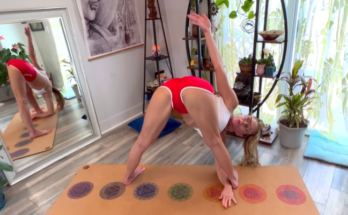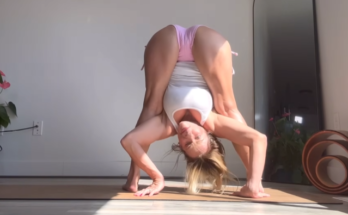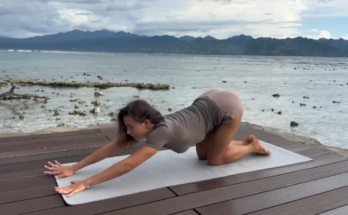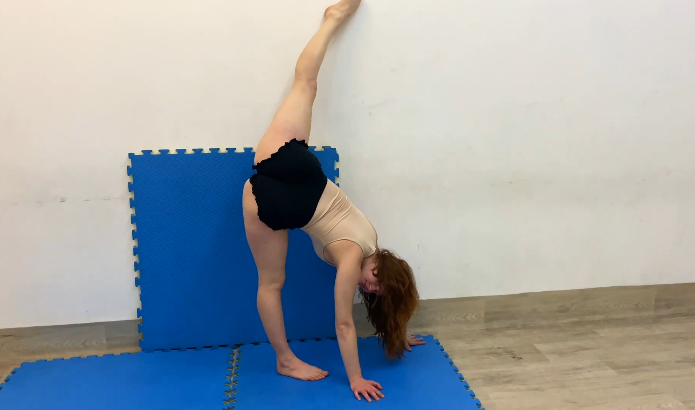
Professional-level flexibility is not achieved through luck or genetics alone. It is the result of intelligent training, discipline, and a deep understanding of how the body moves. Contortion, yoga flexibility, ballet (芭蕾舞蹈), and gymnastics may appear different on the surface, but they share a common foundation: controlled stretching, strength through range, and refined body awareness. When combined thoughtfully, these disciplines create a powerful and balanced approach to flexibility training.
Stretching at a professional level is not about forcing extreme shapes. It is about preparing the body fully, respecting anatomical limits, and progressing gradually. This integrated approach develops flexibility that is not only impressive to look at, but also safe, sustainable, and functional.
The Shared Language of Movement
Contortion, yoga, ballet, and gymnastics all speak the same physical language, even though they express it differently. Contortion emphasizes extreme spinal and hip flexibility. Yoga focuses on balance, breath, and mindful control. Ballet highlights elegance, turnout, and precise alignment. Gymnastics demands explosive power, coordination, and full-body strength.
Stretching connects all of these disciplines. Without proper stretching, contortion becomes unsafe, ballet loses fluidity, gymnastics becomes restricted, and yoga lacks depth. Professional stretches create harmony between mobility and stability, allowing the body to move freely without compromising joint health.
Understanding Professional Flexibility
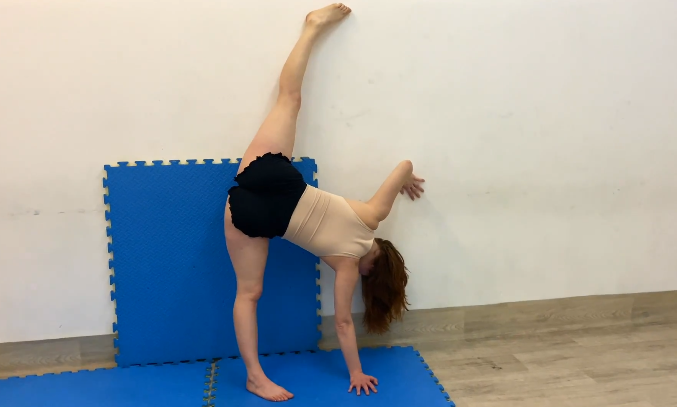
Professional flexibility is active, controlled, and repeatable. It is not achieved by collapsing into positions or relying solely on gravity. Instead, muscles are trained to support the joints at extreme ranges of motion.
In contortion and gymnastics, this means engaging the core and stabilizers while stretching. In ballet, it involves maintaining turnout and posture during deep stretches. In yoga, it means synchronizing breath with movement to encourage release without strain.
True flexibility allows an athlete or dancer to enter and exit positions smoothly, maintain balance, and control movement with precision.
Full Body Preparation
Before deep stretching begins, the entire body must be prepared. Professional stretching routines always start with a thorough warm-up to increase blood flow and joint mobility.
Gentle cardio, such as light jumps or controlled floor movements, warms the muscles. Dynamic stretches for the spine, shoulders, hips, knees, and ankles ensure that all joints are ready for deeper work. This preparation reduces injury risk and enhances flexibility gains.
Skipping this phase can limit progress and place unnecessary stress on the body, especially in advanced flexibility training.
Spine Flexibility and Control
Spinal flexibility is central to contortion, gymnastics, and yoga. Ballet also requires a supple spine to maintain graceful lines and fluid transitions. Professional stretching focuses on evenly mobilizing the entire spine rather than compressing one area.
Backbends are approached progressively, starting with gentle spinal extensions and gradually increasing depth. Core engagement protects the lower back while allowing the chest and shoulders to open.
Controlled spinal waves and rotations build mobility while maintaining stability. This balanced approach prevents overuse injuries and supports long-term flexibility.
Shoulder and Upper Body Mobility
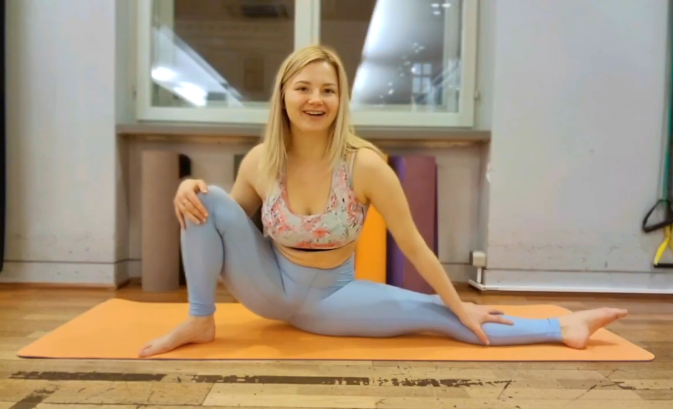
Shoulder flexibility is essential across all four disciplines. Gymnastics requires strong overhead mobility for handstands and swings. Ballet needs open shoulders for elegant arm positions. Yoga emphasizes shoulder stability in weight-bearing poses. Contortion demands extreme range with control.
Professional stretches target the shoulders through controlled arm circles, overhead extensions, and supported chest openers. Strengthening the upper back and rotator cuff muscles ensures that flexibility does not compromise joint integrity.
Healthy shoulders allow freedom of movement while protecting one of the body’s most vulnerable joints.
Hip Flexibility and Turnout
Hips are a primary focus in contortion, ballet, and gymnastics. In ballet, turnout (external hip rotation) defines technique and aesthetics. In contortion and gymnastics, hip mobility allows splits, extensions, and acrobatic movements.
Professional hip stretching includes both passive and active techniques. Lunges open the hip flexors, while wide-leg positions stretch the inner thighs. External and internal rotation drills ensure balanced hip mobility.
Stretching is always paired with strengthening exercises to stabilize the hips. This prevents over-stretching and supports powerful, controlled movement.
Leg Flexibility and Extensions
Flexible legs are essential for high extensions, leaps, splits, and elegant lines. Professional stretching addresses the hamstrings, quadriceps, calves, and inner thighs equally.
In ballet, leg stretches emphasize length and alignment. In gymnastics, they support explosive power and landings. In yoga, they enhance stability and balance. In contortion, they enable extreme range with precision.
Active leg lifts, controlled kicks, and supported stretches build flexibility that translates directly into performance.
The Role of Breath and Focus
Breath control is a key element in professional stretching. Yoga teaches the use of breath to calm the nervous system, while ballet and gymnastics rely on controlled breathing for endurance and focus.
Slow, deep breathing during stretches encourages muscle relaxation and increases range of motion. Mental focus allows athletes and dancers to tune into subtle sensations, adjusting alignment and effort accordingly.
Stretching becomes not just physical training, but a mindful practice that strengthens the connection between body and mind.
Injury Prevention Through Intelligent Stretching
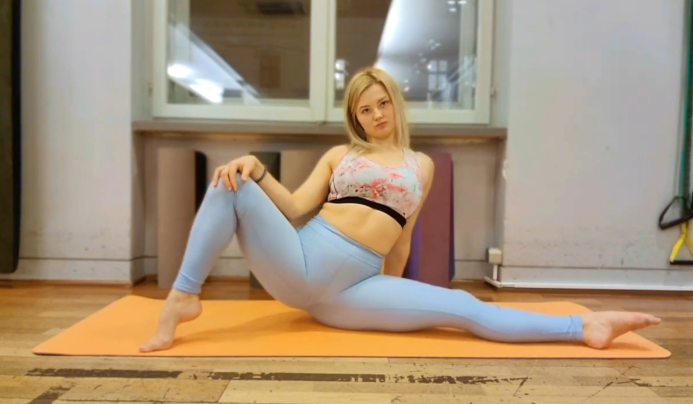
Professional stretching prioritizes injury prevention. Stretching without strength can destabilize joints, while strength without flexibility can restrict movement. The balance between the two is essential.
Stretching routines are designed to respect individual anatomy and recovery needs. Rest days, gentle mobility sessions, and proper cool-downs allow tissues to adapt safely.
Listening to the body is a fundamental skill at the professional level. Pain is never ignored or pushed through.
Consistency and Progression
Flexibility at a professional level is built over years of consistent practice. Short, focused stretching sessions performed regularly are more effective than occasional intense efforts.
Progression is gradual and intentional. Stretches deepen as the body adapts, and new ranges are strengthened before advancing further. This approach ensures sustainable growth and long-term performance.
Patience and discipline are just as important as technique.
Integrating Disciplines for Maximum Results
One of the greatest advantages of combining contortion, yoga flexibility, ballet, and gymnastics is balance. Each discipline compensates for the limitations of the others.
Yoga provides mindfulness and breath awareness. Ballet refines alignment and aesthetics. Gymnastics builds power and coordination. Contortion expands flexibility beyond conventional limits. Together, they create a complete and intelligent stretching system.
This integration develops athletes and dancers who are strong, flexible, expressive, and resilient.
A Lifelong Practice
Professional stretching is not a phase—it is a lifelong commitment. As the body changes with age and experience, stretching routines evolve. The focus shifts from achieving new extremes to maintaining mobility, strength, and joint health.
Stretching becomes a form of self-care, performance enhancement, and personal expression. It supports longevity in movement-based disciplines and enriches overall quality of life.
Conclusion
Professional contortion, yoga flexibility 芭蕾舞蹈, and gymnastics are united by intelligent stretching. Through careful preparation, controlled technique, breath awareness, and consistent practice, the body becomes capable of extraordinary movement without sacrificing health.
Stretching at this level is an art as much as a science. It requires respect for the body, dedication to progress, and a deep appreciation for movement. When practiced with intention, it unlocks not only physical potential, but confidence, grace, and freedom of expression.