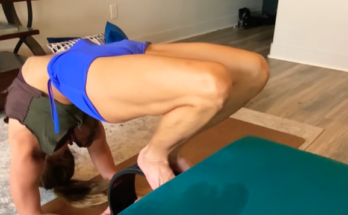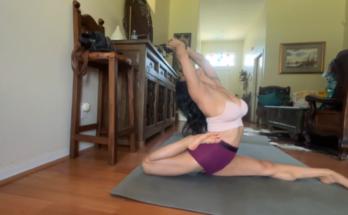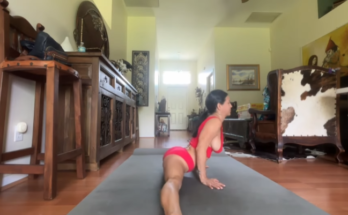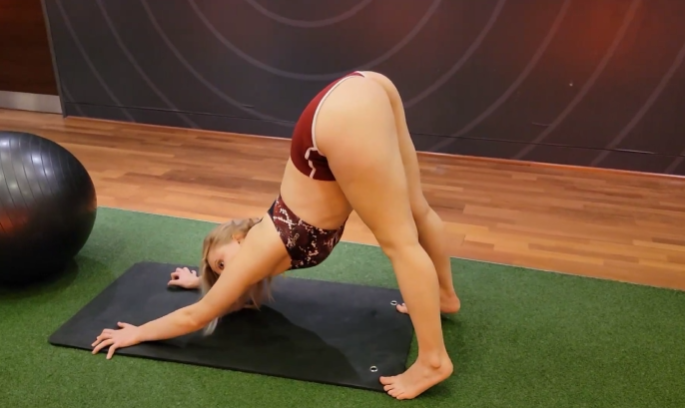
The gym is quiet at first, filled only with the soft echo of footsteps and the gentle squeak of mats being rolled out. This is the moment before effort begins, where intention matters more than strength. Gymnastics, leg workouts, yoga, and contortion may seem like separate disciplines, but when woven together, they create a powerful and balanced challenge—one that builds strength, flexibility, control, and patience all at once. This is the heart of the Gymnastics – Workout STRETCH Legs. Yoga and Contortion Challenge.
Legs are the foundation of movement. In gymnastics, they generate power for jumps, landings, and tumbling. In yoga, they ground the body, creating stability and balance. In contortion, they must be both strong and supple, capable of extreme ranges without injury. A true leg-focused challenge respects all these roles. It does not rush. It prepares, builds, opens, and recovers with care.
The session always begins with awareness. Before stretching deeply, the body needs warmth and circulation. Light cardio—skipping, jogging, or dynamic leg swings—awakens the muscles. Ankles roll, knees bend, hips circle. These small movements are often overlooked, yet they protect the joints and prepare them for deeper work. Gymnastics teaches that every big movement depends on these quiet preparations.
As heat builds, strength training comes next. Stretching without strength creates instability, while strength without stretch limits expression. Squats engage the quadriceps and glutes, teaching the legs to support weight with control. Lunges challenge balance while opening the hips. Single-leg exercises reveal weaknesses and encourage symmetry. In gymnastics training, legs must not only look strong—they must respond instantly and safely under pressure.
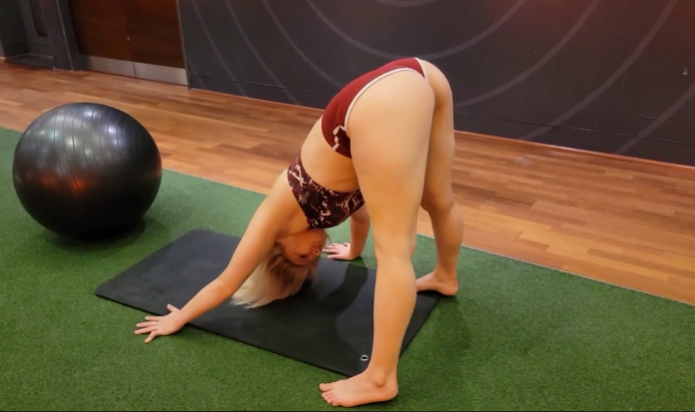
Once strength is activated, yoga gently guides the legs into length. Downward-facing dog stretches calves and hamstrings while strengthening the shoulders. Forward folds encourage the back of the legs to soften, but only as much as breath allows. Yoga teaches patience here. Stretching is not a battle. The muscles open when they feel safe, not when they are forced.
Balance poses deepen the challenge. Warrior poses engage the thighs while opening the hips. Triangle stretches the inner legs and improves alignment. Half moon demands both flexibility and strength, asking the standing leg to support the body while the lifted leg opens into space. These poses train coordination, something gymnastics depends on deeply. Every leap, landing, and hold begins with balance.
As the body warms further, contortion-inspired stretches appear—not as extremes, but as invitations. Deep lunges transition into front split preparation. The hips are approached gradually, supported by breath and props if needed. Contortion respects the truth that flexibility is earned slowly. Rushing leads to injury; patience leads to freedom. Each stretch is held with awareness, never pain.
Middle split training challenges the inner thighs and hips, often revealing emotional resistance as much as physical. Gymnastics athletes know this sensation well—the moment when the body hesitates and the mind wants to pull away. Yoga breath becomes essential here. Inhale to create space. Exhale to soften. The challenge is not how far the legs go, but how calmly the body remains.
Active flexibility sets this practice apart from passive stretching. Lifting the legs using muscle strength while in stretched positions builds control. Leg lifts in straddle, split pulses, and controlled extensions teach the nervous system that flexibility is safe and usable. This is vital for gymnastics, where flexibility must perform under movement, not just on the floor.
The yoga and contortion challenge also tests mental discipline. Holding long stretches creates discomfort. The instinct is to escape. But growth happens when attention stays present. The mind learns to observe sensation without panic. This skill transfers directly to gymnastics competition, intense workouts, and even daily stress. Stillness becomes strength.
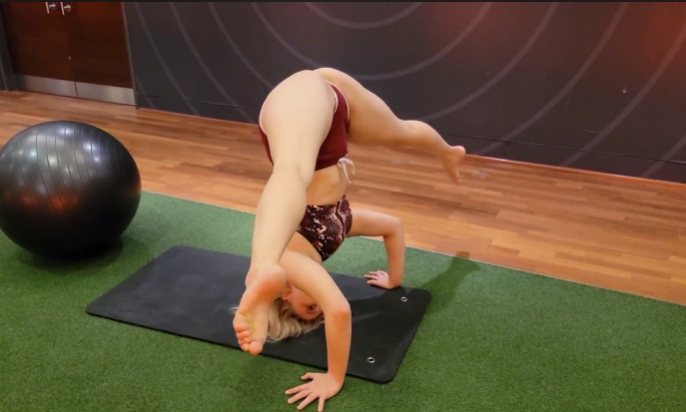
Transitions between poses are smooth and intentional. From deep stretches, the body returns to stability—standing tall, shaking out tension, grounding the feet. This rhythm of open and close keeps the nervous system balanced. Yoga teaches this wisdom well: every expansion must be followed by integration.
As the session progresses, leg endurance becomes part of the challenge. Wall sits, static holds, and balance drills fatigue the muscles already lengthened by stretching. This is where true control is built. Legs learn to support the body even when tired. Gymnastics demands this quality in routines that require precision at the very end, when fatigue is highest.
Recovery is not an afterthought—it is part of the discipline. Gentle seated stretches calm the nervous system. Supine poses allow the legs to relax fully, supported by gravity rather than effort. The hips soften, the breath deepens, and the heart rate slows. This is where progress settles into the tissues.
In final relaxation, the legs feel heavy yet free. Blood flows easily. The body feels longer, more balanced. This is the quiet reward of the challenge—not just flexibility, but harmony. The legs are no longer just muscles and joints; they are responsive, intelligent partners in movement.
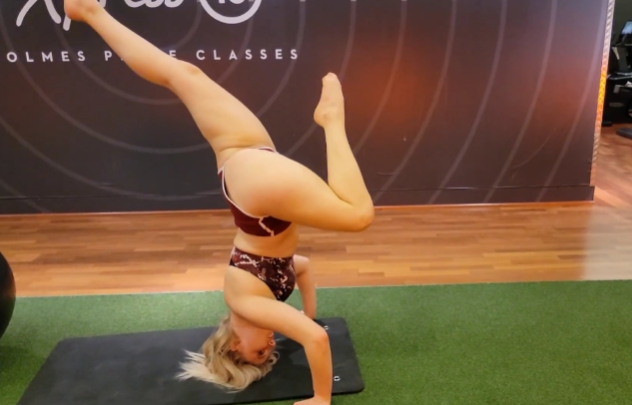
The Gymnastics – Workout STRETCH Legs. Yoga and Contortion Challenge is not about comparison. Every body has a different structure, history, and pace. Some will reach deep splits quickly; others will progress slowly. Both paths are valid. The challenge lies not in the shape achieved, but in the commitment to mindful practice.
Over time, this integrated approach transforms how the body moves. Jumps feel lighter. Landings feel safer. Balance improves. Stiffness fades. More importantly, confidence grows. The body learns that it can handle challenge without harm, effort without aggression.
This challenge is a reminder that true athleticism is not extreme—it is intelligent. It listens. It adapts. It respects rest as much as effort. Gymnastics provides discipline, yoga provides awareness, and contortion provides depth. Together, they create a powerful system for leg strength and flexibility that supports both performance and long-term health.
In the end, the greatest achievement is not how far the legs stretch, but how deeply the body trusts itself. When strength and flexibility work together, movement becomes effortless. And in that balance, the challenge becomes a practice—one that can be returned to again and again, with patience, curiosity, and respect.