There is something profoundly soothing about observing the bond between a mother animal and her baby. It is a display of love, care, and trust that transcends species, touching a universal chord in the human heart. Watching these moments can evoke joy, calm, and even stress relief, as if the gentle presence of these creatures reminds us to slow down, breathe, and connect with the world in a simpler, more natural way.
In forests, meadows, oceans, and skies, countless animal mothers nurture their young. From elephants gently guiding their calves to monkeys grooming their babies, from birds feeding their chicks to deer protecting their fawns, these moments reveal the beauty of life at its most tender. The bond between mother and baby is central to survival, learning, and emotional development, and witnessing it can be both inspiring and therapeutic for humans.
The Elephant’s Gentle Care
In the vast savannas of Africa, elephant mothers embody patience, strength, and affection. A baby elephant, known as a calf, relies completely on its mother for nourishment, protection, and guidance. Mothers are fiercely protective, often forming circles around their calves when danger approaches, ensuring their safety with immense physical presence and strategic positioning.
Watching a mother elephant and her calf is like witnessing a dance of trust. The calf follows closely, mimicking movements, learning to navigate the landscape, and responding to the mother’s gentle nudges. Their trunks intertwine in playful gestures, and the soft rumbling calls they share create a sense of connection that is both calming and heartwarming. Observing this interaction can help humans feel a sense of calm and stress relief, reminding us of the simple joys of closeness and trust.
Monkeys and the Joy of Play
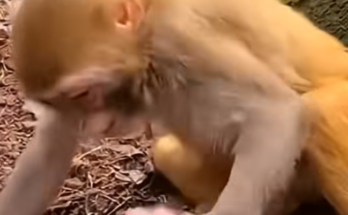
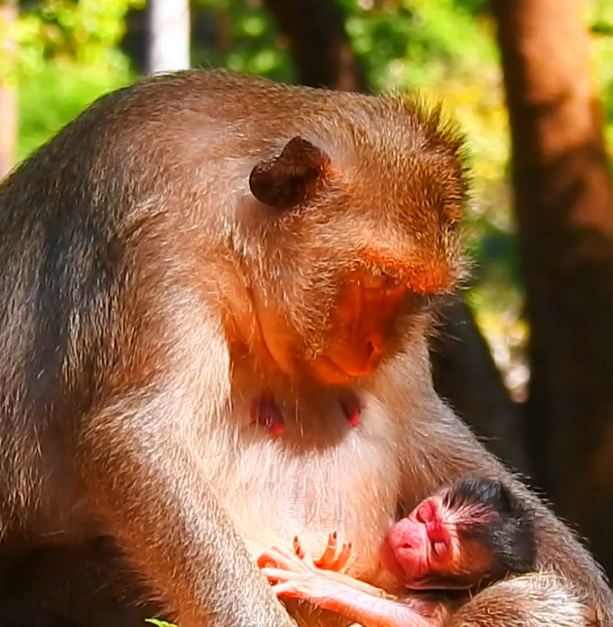
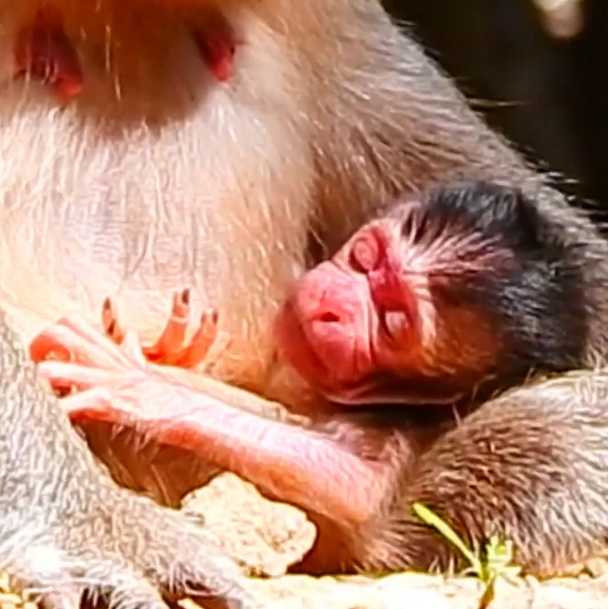
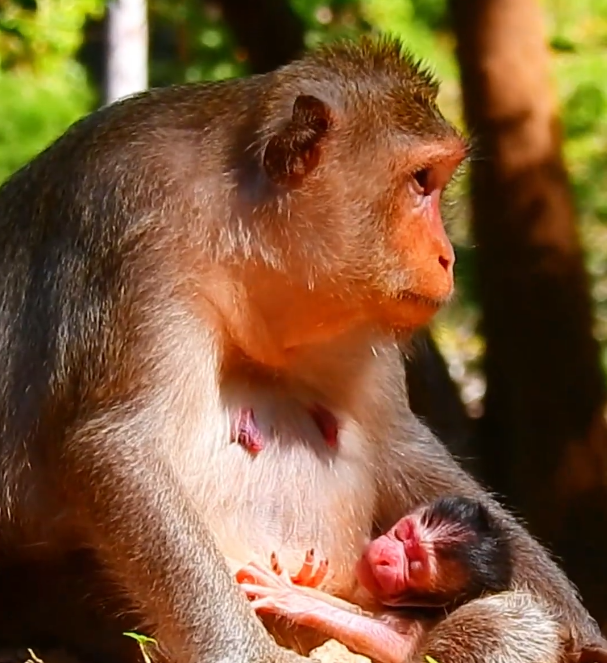
In dense tropical forests, monkeys provide one of the most playful and expressive examples of maternal care. A mother monkey grooming her baby is a beautiful sight to behold. She carefully removes dirt, parasites, and debris while her baby clings to her, squeaking with delight. This act is not just about hygiene—it strengthens their emotional bond and fosters a sense of security.
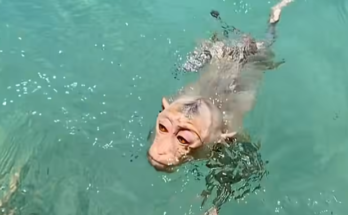
Young monkeys also learn essential life skills through play, often under the watchful eye of their mothers. Tumbling, climbing, and chasing each other, they develop coordination, social understanding, and problem-solving skills. Observing these playful interactions can be incredibly soothing for humans. The joy, laughter, and curiosity displayed by the baby monkey, coupled with the patient guidance of the mother, create a visual and emotional harmony that relieves stress and promotes relaxation.
Birds: Nurturing in Flight
Birds, too, demonstrate striking maternal dedication. A mother bird feeding her chicks in a nest provides a unique blend of care and precision. Each beakful of food delivered is a reassurance of sustenance and survival. Chicks respond with eager chirps, their tiny wings flapping in anticipation. The rhythm of feeding, the soft rustling of feathers, and the harmony of calls create a natural soundtrack of comfort and peace.
Watching a mother bird care for her young can be surprisingly therapeutic. The patience, precision, and gentleness she exhibits serve as a reminder to humans to approach life with similar care, attention, and mindfulness. It encourages slowing down, noticing the small details, and appreciating the simple, essential acts of care.
Aquatic Mothers: Whales and Dolphins
In the ocean, whales and dolphins provide another breathtaking example of maternal care. A mother dolphin, guiding her calf through the water, ensures safety while teaching essential survival skills. She uses her body to shield the young one from predators, nudges it toward the surface for air, and demonstrates swimming techniques that will be critical for the calf’s independence.
The bond between mother and baby in aquatic animals is characterized by constant motion, communication, and touch. Watching these creatures glide gracefully through the water, performing synchronized movements, and communicating through gentle clicks and whistles can evoke a sense of tranquility in humans. The fluidity, patience, and attentiveness of these animals provide a visual meditation, promoting relaxation and stress relief.
The Deer Family: Silent Observation
In the quiet forests of North America, deer mothers guide their fawns through a world filled with both beauty and danger. The fawn’s spotted coat provides camouflage, but it is the mother’s vigilance that ensures survival. She teaches the fawn to recognize danger, find food, and navigate terrain carefully.
Observing deer mothers and fawns can be profoundly calming. Their quiet movements, soft nuzzling, and gentle interactions create a sense of stillness and serenity. Unlike more playful species, the subtlety and elegance of deer mothers convey a different type of relaxation—one rooted in mindfulness, patience, and gentle observation.
The Universal Language of Touch and Comfort
Across all species, one thing is clear: touch, comfort, and presence are universal forms of communication. Whether it’s a mother lion licking her cub, a panda wrapping her baby in a gentle hug, or a penguin keeping its chick warm in an icy climate, these acts demonstrate the power of connection. Humans can feel a profound sense of calm when witnessing these interactions because they evoke empathy, love, and recognition of shared vulnerability.
Scientific studies support this effect. Observing animals, particularly mothers with their babies, can reduce cortisol levels, lower blood pressure, and create a feeling of well-being. Even a short video or image of a mother animal cuddling her baby can produce measurable stress relief in viewers. The simple beauty of care, patience, and gentleness resonates deeply, triggering a sense of peace.
Stress Relief Through Observation
Watching beautiful mom-and-baby interactions provides more than just aesthetic pleasure—it is a form of emotional therapy. These moments allow humans to step away from the chaos of daily life, slow their thoughts, and focus on the present. The rhythmic motions, tender touches, and playful interactions of animals create a meditative effect.
For example, seeing a baby elephant nuzzle its mother, a kitten curl up against its mother cat, or a baby monkey cling to her fur can be mesmerizing. The consistency and predictability of maternal behavior offer reassurance and stability, which are essential for stress relief. These observations remind humans of the importance of connection, care, and presence in their own lives.
The Role of Play
Play is another key element in maternal care that provides both joy and relaxation. In most species, play is not only essential for development but also a source of happiness for observers. Watching baby animals interact with their mothers and peers often brings laughter, smiles, and a sense of wonder. Monkeys swinging through branches, puppies rolling around with their mothers, or ducklings paddling behind their mothers—all these moments bring levity and joy.
The combination of nurturing and play creates a holistic effect: the mother provides security and guidance, while the baby’s antics bring amusement and delight. For humans, this combination is ideal for reducing stress, promoting relaxation, and evoking positive emotions.
Nature as a Teacher
Beautiful mom-and-baby animal interactions teach us valuable lessons. They demonstrate patience, empathy, nurturing, and the importance of presence. They remind us to slow down, cherish small moments, and value the relationships in our own lives. Watching these interactions can provide a model for human behavior, offering inspiration for parenting, caregiving, and interpersonal relationships.
The natural world, through these gentle and intimate moments, encourages humans to reconnect with emotions often buried under stress, deadlines, and technology. The calm, rhythm, and beauty of mother animals with their babies offer a therapeutic escape—a window into a simpler, more harmonious way of being.
Conclusion
There is an undeniable beauty in observing a mother animal with her baby. From elephants to monkeys, birds to deer, each species displays unique behaviors that evoke love, care, and trust. These interactions are not only essential for the survival and development of the young but also provide humans with a source of relaxation, joy, and stress relief.
Watching a mother animal nurture, protect, and play with her baby allows us to experience calm, empathy, and wonder. It reminds us of the importance of love, patience, and connection in our own lives. These moments are a testament to the universality of care—the same instinct that drives animals to nurture their young is reflected in the human desire to protect, comfort, and cherish.
Whether it’s the gentle grooming of a baby monkey, the playful chase of ducklings, or the watchful protection of a deer mother, observing these interactions provides a unique form of therapy. It slows the mind, softens the heart, and brings a sense of peace that is increasingly rare in today’s fast-paced world. Beautiful mom-and-baby animals offer not only lessons in care and connection but also a natural, accessible, and profound way to relieve stress and reconnect with the simple joys of life.
Watching them is a reminder that love, patience, and presence are universal, crossing the boundaries of species and resonating deeply within all who take the time to observe. In their gentle moments, in their shared play, and in their quiet protection, humans find an oasis of calm—a sanctuary of beauty and stress relief. 🐾