There is something profoundly healing about practicing yoga outdoors, where the earth supports your body and the sky opens space for your breath. Nature does not rush, does not judge, and does not demand perfection. It simply invites you to be present. A gentle yoga flow practiced in nature—especially one inspired by the Warrior poses—becomes more than movement. It becomes a dance of strength, balance, and emotional power, reconnecting you to both your inner resilience and the living world around you.
The Warrior Dance is not about aggression or force. It is about grounded courage. It is about standing steady in uncertainty, moving with intention, and finding grace within effort. Practiced slowly and mindfully, this flow awakens the body while soothing the nervous system, allowing strength and softness to coexist.
The Power of Practicing Yoga in Nature
When you step onto grass, sand, forest soil, or stone, your body responds differently than it does on a studio mat. The uneven ground challenges balance naturally, activating stabilizing muscles without strain. The sounds of wind, birds, and water calm the mind more deeply than silence ever could. Sunlight warms the skin, reminding you that you are part of something vast and alive.
Nature mirrors the essence of yoga: constant change held within deep stability. Trees bend without breaking. Rivers move without resistance. Mountains stand firm without effort. When you practice a Warrior-inspired flow in nature, you embody these qualities—strength without tension, balance without rigidity, power without force.
Setting the Intention: The Inner Warrior
Before beginning the flow, stand tall and bring your hands to your heart. Close your eyes if it feels safe. Take a few slow breaths, inhaling through the nose and exhaling through the mouth. Let your awareness settle.
Set an intention for your practice. This could be emotional strength, clarity, courage, healing, or self-trust. The Warrior Dance is not about conquering something outside of you—it is about meeting yourself honestly and standing fully in who you are.
Feel your feet connect to the earth. Imagine roots growing downward, anchoring you deeply. From this grounding, allow your spine to rise naturally, light and strong.
Warming the Body Gently
Begin with slow, flowing movements to awaken the joints and muscles.
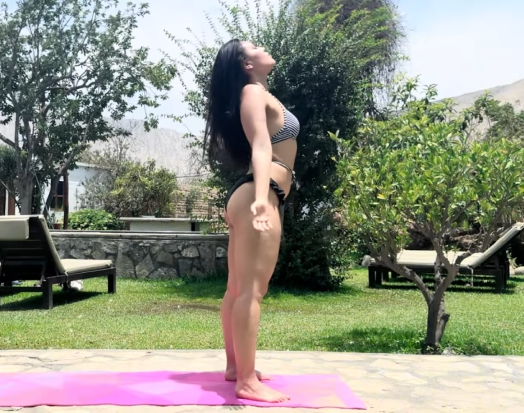
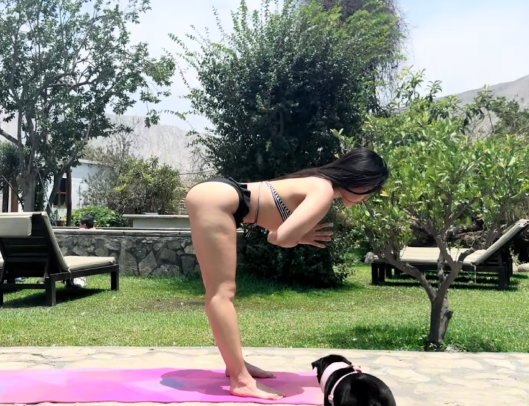
Start in Mountain Pose, standing tall with feet hip-width apart. Inhale and sweep your arms up toward the sky, palms open. Exhale and gently fold forward, bending your knees as needed, letting your head and arms hang heavy. This release invites softness into the body.
Inhale to a half lift, lengthening the spine, hands resting on thighs or shins. Exhale and fold again. Slowly rise back to standing, stacking the spine one vertebra at a time. Repeat this sequence several times, moving with your breath, feeling warmth build gently.
Add slow arm circles, shoulder rolls, and gentle side bends, allowing the body to loosen naturally. There is no rush. The Warrior Dance begins in awareness, not effort.
Warrior I: Awakening Inner Strength
Step one foot back into a long stance, grounding the back heel into the earth. Bend the front knee softly, ensuring it feels stable and supported. Inhale and lift your arms overhead, palms facing each other or slightly open.
Warrior I represents focused strength. Feel your legs rooting down while your chest lifts upward. There is power here, but it is calm and centered. Breathe deeply into the belly and ribs, allowing your body to feel expansive rather than tense.
Emotionally, this pose invites you to stand in your truth. If your mind wanders, gently bring it back to the sensation of strength rising from the ground into your heart.
Hold for several breaths, then slowly release and switch sides.
Warrior II: Finding Balance and Presence
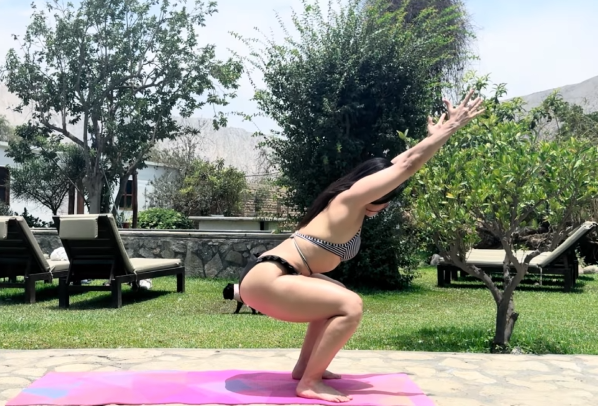
From a wide stance, turn one foot forward and the other slightly inward. Bend the front knee and open your arms wide, parallel to the ground, palms facing down. Gaze softly over your front hand.
Warrior II is a pose of balance between effort and ease. The legs are strong, yet the upper body remains relaxed. In nature, feel the wind brushing against your arms, the sun warming your skin. Let your gaze be steady but soft.
Emotionally, Warrior II teaches you how to stay present even when things feel challenging. You are not pushing forward aggressively—you are holding space with confidence and awareness.
Warrior Dance: Flowing Between Strength and Grace
Now the practice becomes a dance.
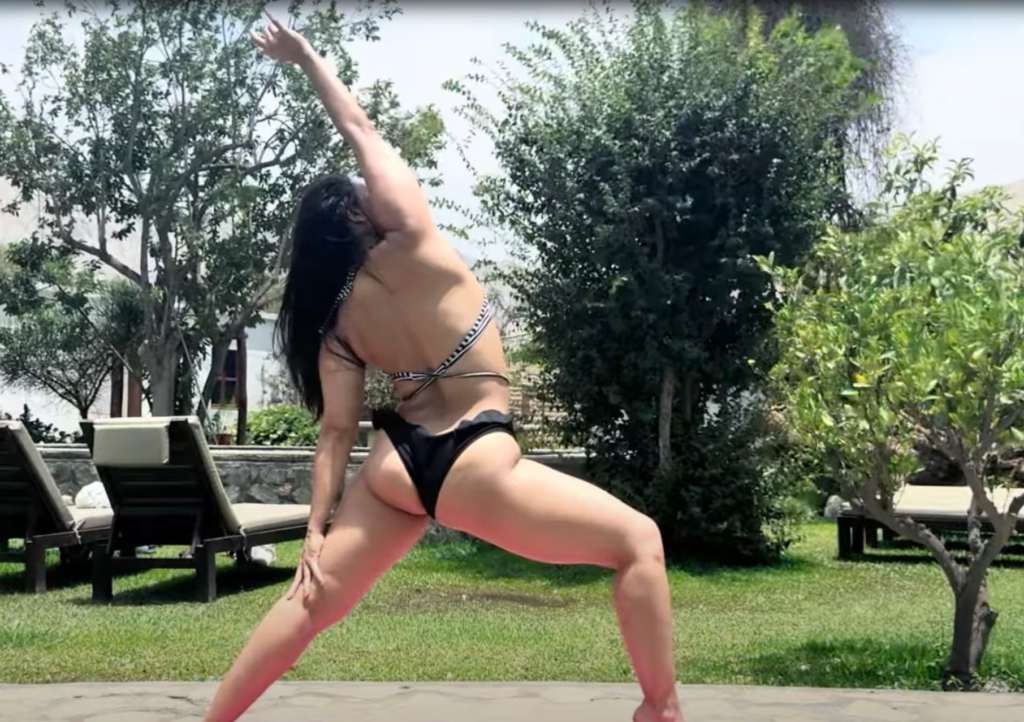
From Warrior II, inhale and straighten the front leg, reaching the arms overhead. Exhale and bend back into Warrior II. Inhale and reverse your Warrior, one arm reaching up and back, the other resting lightly on the leg. Exhale and return to center.
Let these movements flow together like waves—smooth, continuous, and breath-led. There is no sharpness here, only rhythm.
As you move, notice how your emotions respond. Perhaps strength brings confidence. Perhaps flowing brings release. Allow whatever arises to be present without judgment.
This Warrior Dance is where balance becomes embodied. You are strong, yet moving. Grounded, yet expressive.
Warrior III: Emotional Focus and Inner Power
Shift your weight onto the front leg and slowly tip forward, lifting the back leg into Warrior III. Arms can extend forward, open to the sides, or rest at the heart.
This pose challenges balance physically and mentally. On uneven natural ground, it requires deep concentration and trust. If you wobble, smile gently and breathe. Balance is not about never falling—it is about returning again and again.
Emotionally, Warrior III builds inner power. It teaches you to focus, to stay steady even when external conditions shift. Hold for a few breaths, then gently release and switch sides.
Cooling and Integration
After completing the Warrior flow on both sides, return to a standing position. Take a moment to notice how your body feels—warm, alive, energized.
Move into a gentle forward fold, letting the spine release. Then come down to the earth, sitting or lying on your mat or directly on the ground.
In a seated position, twist gently from side to side, wringing out tension. In a reclined position, hug your knees into your chest, rocking softly. Let the strength you cultivated settle into calm.
Emotional Power Through Stillness
End your practice in a comfortable seated or lying position. Close your eyes. Place one hand on your heart and one on your belly. Feel your breath move naturally.
The emotional power of the Warrior Dance is not loud. It is quiet confidence. It is knowing you can meet life with both strength and compassion. It is trusting your body, honoring your emotions, and standing firmly in your own presence.
Nature holds you as you rest. The earth supports you without effort. Let yourself receive that support.
Carrying the Warrior Off the Mat
This gentle yoga flow is not meant to end when the practice ends. Carry its essence into your daily life. When challenges arise, remember the grounding of Warrior I. When decisions feel heavy, recall the steady gaze of Warrior II. When balance feels difficult, trust the focus of Warrior III.
The Warrior Dance teaches that true power is not force—it is awareness, balance, and emotional honesty. Practiced in nature, it becomes a reminder that you are resilient, adaptable, and deeply connected to the world around you.
Stand strong. Move gently. Breathe deeply.
Your inner warrior is already awake.