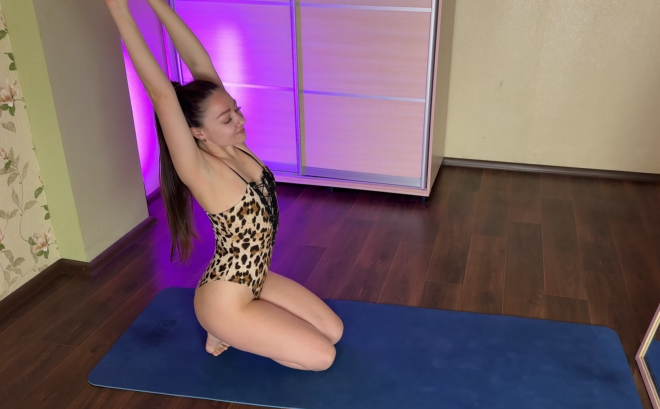
In today’s fast-paced world, our bodies and minds are constantly under pressure. Long hours of work, screens that never turn off, emotional stress, and lack of proper rest slowly accumulate, leaving us feeling exhausted, stiff, and disconnected from ourselves. This is where Body Restorative Flow at Home becomes not just a luxury, but a powerful necessity. A restorative flow is a gentle, mindful movement practice designed to help the body release tension, calm the nervous system, and restore balance—right in the comfort of your own home.
Understanding Body Restorative Flow
Body restorative flow is inspired by restorative yoga, slow stretching, breathwork, and mindful awareness. Unlike intense workouts that focus on burning calories or building muscle, restorative flow focuses on healing, recovery, and deep relaxation. Movements are slow, controlled, and intentional. Poses are often held longer, supported by cushions, blankets, or pillows, allowing the body to soften instead of strain.
This type of flow is suitable for everyone—beginners, experienced practitioners, people recovering from injury, or anyone simply seeking peace after a long day. The goal is not perfection, flexibility, or strength, but restoration.
Why Practice Restorative Flow at Home?
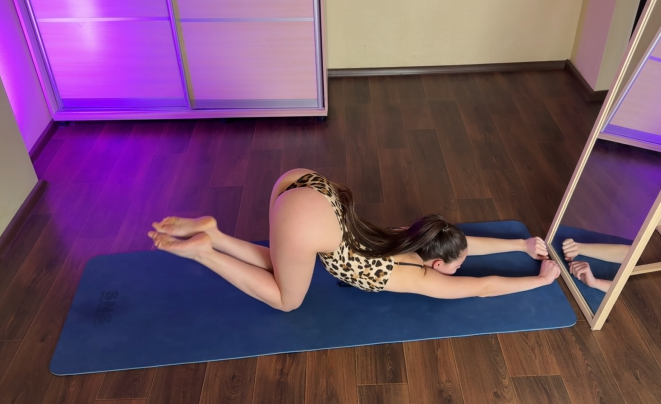
Practicing restorative flow at home offers unique advantages. At home, you control the environment. There is no pressure to perform, no comparison with others, and no rush. You can move at your own pace, listen to your body honestly, and create a space that feels safe and nurturing.
Home practice also makes consistency easier. Even 20–30 minutes a few times a week can make a noticeable difference. Over time, your body learns to relax more deeply, your breathing becomes calmer, and your mind grows quieter.
Preparing Your Space
Creating the right environment is the first step to a successful body restorative flow at home. You don’t need expensive equipment or a large room. A small, quiet space is enough.
Dim the lights or use soft natural lighting. Play gentle music or practice in silence. Use a yoga mat, carpet, or soft blanket. Have pillows, bolsters, or folded towels nearby to support your body. Wear comfortable clothing that allows free movement and doesn’t restrict your breathing.
Before you begin, take a moment to set an intention. It could be as simple as “I allow myself to rest” or “I give my body permission to heal.”
The Role of Breath in Restorative Flow
Breath is the foundation of body restorative flow. Deep, slow breathing activates the parasympathetic nervous system—the part responsible for rest and recovery. This helps lower heart rate, reduce stress hormones, and relax tight muscles.
A simple breathing technique to start:
Inhale slowly through the nose for four counts, feeling the belly expand. Pause gently. Exhale through the nose or mouth for six counts, allowing the body to soften. Repeat for several rounds.
Throughout your practice, let your breath guide your movement. If the breath becomes strained, slow down or pause. In restorative flow, the breath is always more important than the pose.
Gentle Movements for Full-Body Restoration
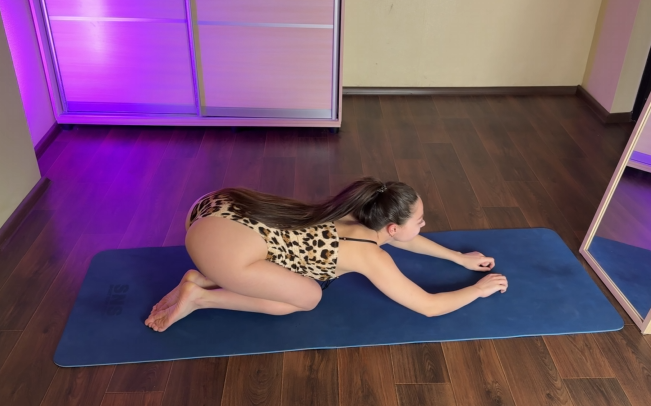
A body restorative flow usually begins with small, grounding movements and gradually opens the body. You might start lying on your back, gently rocking side to side, releasing tension in the lower spine. Slow neck rolls can ease stiffness caused by screen time and stress.
As you continue, gentle spinal movements like supported twists help massage internal organs and release deep tension. Forward folds, when supported with pillows, calm the mind and stretch the back without strain. Hip-opening poses allow emotional release, as many people store stress and emotions in the hips.
Each movement is slow, intentional, and connected to breath. There is no rushing from one pose to another. Stillness is just as important as movement.
Listening to Your Body
One of the most powerful lessons of body restorative flow at home is learning to listen to your body. Modern life often teaches us to ignore discomfort and push through pain. Restorative flow invites the opposite approach: awareness and compassion.
If something feels uncomfortable, adjust it. Add support. Come out of the pose. Rest. There is no failure in resting—rest is the practice. Over time, this gentle listening builds trust between your mind and body.
Mental and Emotional Benefits
The benefits of body restorative flow extend far beyond the physical body. As the body relaxes, the mind naturally follows. Regular practice can reduce anxiety, improve sleep quality, and create a sense of emotional stability.
Many people find that during restorative flow, emotions they have been holding onto gently surface and release. This is completely normal. The safe, slow nature of the practice allows the nervous system to process and let go of stored stress.
Practicing at home enhances this effect, as you are in a familiar and secure environment. You can cry, sigh, breathe deeply, or simply lie still without judgment.
Restorative Flow for Better Sleep
One of the most popular reasons people turn to body restorative flow at home is to improve sleep. Gentle evening practices help signal to the body that it is time to rest. Supported poses, slow breathing, and long holds calm the nervous system and quiet racing thoughts.
A short restorative flow before bed can help you fall asleep faster and sleep more deeply. Over time, it can even help regulate your sleep cycle, making it easier to wake up feeling refreshed instead of exhausted.
Making It a Sustainable Habit
Consistency is more important than duration. A short restorative flow practiced regularly is far more beneficial than an occasional long session. Start with what feels realistic—perhaps 15 minutes, three times a week. As your body begins to crave the calm and relief, you may naturally want to practice longer or more often.
Some days your practice may feel deeply relaxing. Other days your mind may wander, or your body may feel restless. Both are okay. Restorative flow teaches acceptance, not control.
Adapting Restorative Flow to Your Needs
One of the strengths of body restorative flow at home is its flexibility. You can adapt your practice based on how you feel each day. If your back feels tight, focus on spinal support. If your legs feel heavy, elevate them. If your mind feels overwhelmed, spend more time on breath and stillness.
This adaptability makes restorative flow suitable during illness, recovery, emotional stress, or simply after a demanding day. It meets you where you are.
The Long-Term Impact
With regular practice, body restorative flow can transform how you relate to your body and your life. You may notice reduced chronic pain, improved posture, better digestion, and increased energy. Mentally, you may feel calmer, more patient, and more emotionally resilient.
Perhaps most importantly, restorative flow teaches you the value of rest. In a culture that often glorifies constant activity, choosing to rest becomes an act of self-respect and self-care.
Closing Thoughts
Body Restorative Flow at Home is not about doing more—it is about doing less with greater awareness. It is an invitation to slow down, breathe deeply, and reconnect with your body in a gentle, compassionate way. You do not need special skills, perfect flexibility, or a large space. All you need is the willingness to pause and listen.
By creating a regular restorative flow practice at home, you give yourself the gift of healing, balance, and inner peace. In that quiet space, supported by breath and stillness, your body remembers how to restore itself naturally—one gentle moment at a time.