Flexibility is an essential part of overall fitness, yet it is often overlooked in favor of strength or cardio training. In reality, flexibility supports healthy movement, reduces the risk of injury, improves posture, and helps the body feel more relaxed and capable throughout the day. 10 Daily Stretches to Boost Flexibility is a simple, effective routine designed to be practiced every day, whether you are a beginner, an athlete, or someone who spends long hours sitting or standing. With consistency and mindful attention, these stretches can transform how your body feels and moves.
Why Daily Stretching Matters
Daily stretching keeps muscles long, joints mobile, and the nervous system balanced. Unlike intense workouts that may require recovery days, gentle stretching can be practiced every day because it nourishes rather than depletes the body. Regular stretching improves circulation, allowing oxygen and nutrients to reach muscles more efficiently. It also reduces muscle stiffness caused by stress, repetitive movements, or poor posture.
Flexibility is not about pushing the body into extreme positions. It is about creating ease and range of motion that supports daily activities such as walking, lifting, bending, and reaching. Practicing a small set of stretches consistently is far more effective than occasional long sessions.
Stretch 1: Neck Release
The neck holds a surprising amount of tension, especially for people who use computers or mobile devices frequently. A gentle neck stretch helps release stiffness and improve mobility.
Begin by sitting or standing tall. Slowly tilt your head to one side, bringing the ear toward the shoulder without lifting the shoulder. Hold for several breaths, then switch sides. Move slowly and avoid forcing the stretch. This simple movement can reduce headaches, neck pain, and upper-body tension.
Stretch 2: Shoulder and Chest Opener
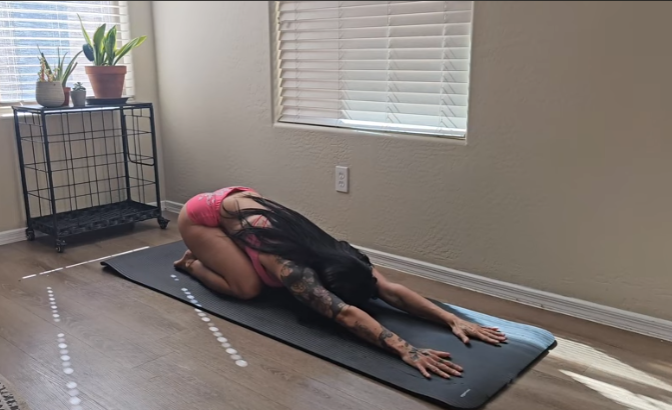
Tight shoulders and a closed chest often result from slouching or stress. Opening this area improves posture and breathing capacity.
Interlace your fingers behind your back and gently straighten your arms, lifting them slightly as you open the chest. Keep the neck relaxed and breathe deeply. This stretch counteracts forward-rounded shoulders and encourages a more upright, confident posture.
Stretch 3: Side Body Stretch
The muscles along the sides of the body support the spine and help with bending and twisting movements. Stretching them improves overall mobility.
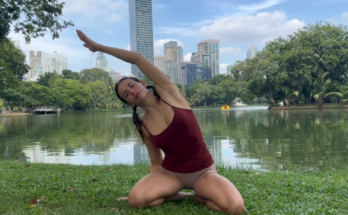
Raise one arm overhead and lean gently to the opposite side, keeping both feet grounded. Feel the stretch from the hip through the ribcage to the shoulder. Switch sides after a few breaths. This stretch also creates more space for deeper breathing.
Stretch 4: Standing Forward Fold
The standing forward fold is a powerful full-body stretch that targets the hamstrings, calves, and lower back while calming the nervous system.
From a standing position, hinge at the hips and fold forward, allowing the head and arms to hang. Bend the knees slightly if needed to protect the lower back. This stretch improves circulation to the upper body and helps release tension along the spine.
Stretch 5: Hip Flexor Stretch
Tight hip flexors are common, especially for those who sit for long periods. Stretching this area improves posture and reduces lower-back discomfort.
Step one foot back into a gentle lunge, keeping the torso upright. Sink the hips slightly forward until you feel a stretch in the front of the back leg. Hold for several breaths and switch sides. This stretch supports healthier walking and standing patterns.
Stretch 6: Hamstring Stretch
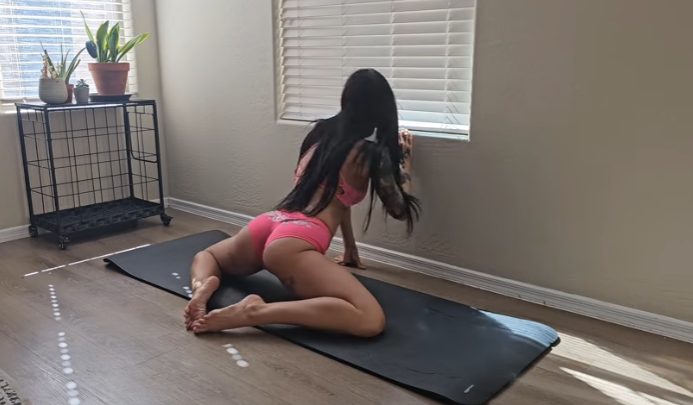
Flexible hamstrings are essential for comfortable movement and a healthy spine. Tight hamstrings can contribute to lower-back pain and limited mobility.
Extend one leg forward with the heel on the ground and hinge slightly at the hips. Keep the spine long and avoid rounding. You should feel the stretch along the back of the leg. Practice on both sides evenly for balanced flexibility.
Stretch 7: Seated Spinal Twist
Spinal twists improve mobility, digestion, and posture by gently rotating the spine and massaging internal organs.
Sit upright and place one hand behind you for support. Rotate the torso toward one side, keeping the spine tall. Hold for a few breaths, then switch sides. Twists help maintain spinal health and encourage mindful breathing.
Stretch 8: Butterfly Stretch
The butterfly stretch targets the inner thighs and hips, areas that often feel tight and restricted.
Sit with the soles of the feet together and allow the knees to fall outward. Hold your feet or ankles and gently hinge forward if comfortable. This stretch increases hip flexibility and supports healthy pelvic alignment.
Stretch 9: Calf and Ankle Stretch
The calves and ankles play a crucial role in walking, balance, and lower-body stability. Stretching them helps prevent stiffness and improves circulation.
Place one foot back and press the heel toward the floor, keeping the leg straight. Bend the front knee slightly. Hold and then switch sides. This stretch is especially beneficial for runners and those who stand for long hours.
Stretch 10: Full-Body Relaxation Stretch
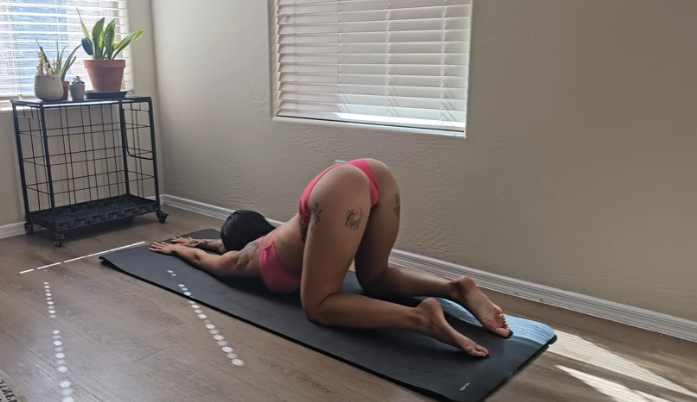
End your daily stretching routine with a gentle full-body stretch to integrate the benefits of the practice.
Lie on your back, extend the arms overhead, and stretch the legs long. Take several deep breaths, noticing the sensations throughout the body. This final stretch promotes relaxation and a sense of completeness.
How to Practice These Stretches Daily
Consistency is the key to improving flexibility. This routine can be completed in as little as 10 to 15 minutes, making it easy to fit into any schedule. Practicing in the morning helps wake up the body, while evening stretching supports relaxation and better sleep.
Move slowly and breathe deeply during each stretch. Avoid bouncing or forcing the body into discomfort. Stretching should feel beneficial, not painful. Over time, you may notice increased range of motion, better posture, and less daily stiffness.
The Mental and Emotional Benefits of Stretching
Daily stretching is not only physical—it also supports mental and emotional well-being. Stretching activates the parasympathetic nervous system, which helps reduce stress and promote calmness. Taking a few minutes each day to focus on the body creates a mindful pause in busy routines.
This practice encourages self-awareness and self-care, reminding you to listen to your body’s needs. Over time, this awareness can lead to healthier movement patterns and improved overall well-being.
Building a Flexible Lifestyle
Flexibility is built through small, consistent efforts rather than extreme routines. By incorporating these 10 Daily Stretches to Boost Flexibility into your life, you create a foundation for long-term mobility and comfort. Whether you are working, exercising, or simply enjoying daily activities, a flexible body supports an active, pain-free lifestyle.
With patience and regular practice, these stretches can become a daily ritual that supports both physical health and inner balance. Flexibility is not a destination—it is an ongoing journey that begins with a few mindful movements each day.