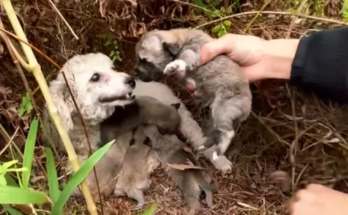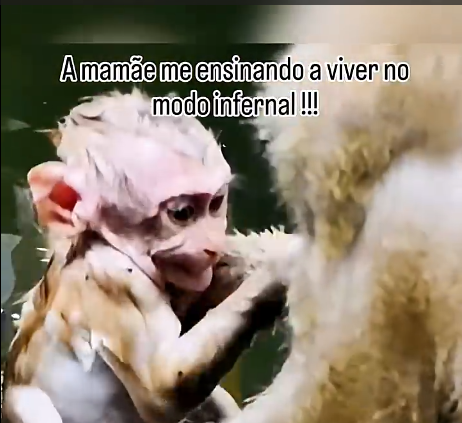
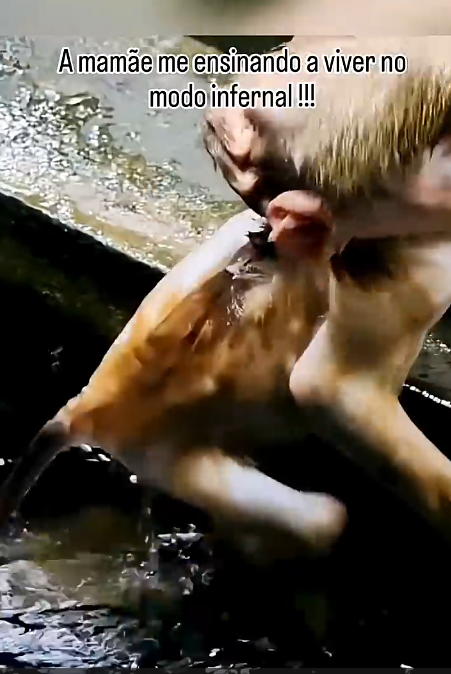
Children are meant to grow up in a world of warmth, laughter, and protection. They are born small and vulnerable, completely dependent on adults for everything—food, safety, guidance, and love. Most parents embrace that responsibility with care, patience, and affection. They comfort their children when they cry, encourage them to explore, and protect them from danger. In those homes, kindness shapes the future, and children thrive.
But in some places, the world looks very different. Some people are cruel, neglectful, or abusive. They harm the very children they brought into the world. And for those children, home becomes a place of fear rather than safety. The contrast between kindness and cruelty is shocking—and sometimes unbearable to witness.
The children of kind parents grow up knowing trust. They learn that the world can be a good place. They feel free to express themselves, to laugh, to cry, to ask questions without fear of punishment. They understand that mistakes are part of life, and that love does not disappear when things go wrong. Simple acts—being hugged when hurt, praised when accomplished, or comforted when sad—teach them that life can be gentle.
Unfortunately, not all children experience this. Some live under the care of what can only be described as monsters. These are parents, guardians, or caretakers who harm, intimidate, or neglect. Some punish harshly for small mistakes. Others withhold food, warmth, or attention. Some use words as weapons, others hands. The psychological and physical scars left behind can last a lifetime.
Children who live with monsters often hide their suffering. They learn to be silent, to hide bruises or tears, to smile when someone asks if they are okay. Fear becomes a constant companion. Normal childhood experiences—playing freely, asking questions, seeking comfort—become risky behaviors.
Neglect is also a form of monstrosity. It might not leave visible marks, but it is devastating. Children left hungry, left alone, or left in unsafe conditions develop mistrust. They may feel invisible, unloved, or unworthy. They may grow up questioning whether they deserve care, warmth, or safety.
There are horrifying stories of abuse—children beaten for minor mistakes, locked away for hours, or deprived of basic necessities. These children are forced to navigate life constantly alert, constantly anticipating punishment. Simple joys, like laughter or play, are replaced with anxiety.
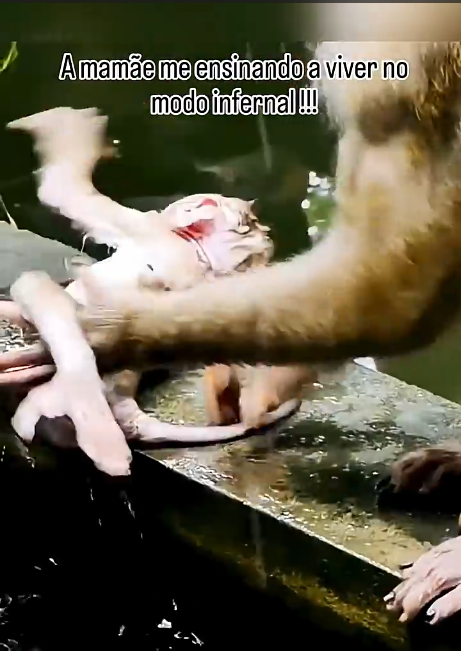
Yet even in these tragic situations, children often show incredible resilience. Many find ways to survive emotionally and physically. Some cling to small gestures of kindness—a neighbor’s smile, a teacher’s concern, or a friend’s encouragement. These brief moments of care can become lifelines, reminders that not all adults are cruel, that the world has pockets of light even in darkness.
The existence of monsters among people is a harsh reality, but it also highlights the importance of intervention and awareness. Social workers, teachers, neighbors, and friends play a critical role in protecting children. Sometimes it takes someone noticing the signs—a bruise, a withdrawn behavior, a fearful glance—to prevent tragedy. The courage of those who intervene can save lives.
Children who survive abusive environments often carry scars, but they also carry lessons in resilience. They may develop heightened empathy, a strong sense of justice, or determination to protect others. Many vow that they will never replicate the harm they experienced, instead choosing kindness, patience, and love for the next generation.
The contrast between kind parents and monsters is a reminder of human responsibility. To be a parent or guardian is to accept a sacred duty: to protect, nurture, and guide. Failing in this duty is not just harmful—it is morally monstrous. Every child deserves food, warmth, safety, education, and love. When these basic needs are denied, the consequences are profound, affecting mental, emotional, and physical development.
It is also a reminder of hope. While monsters exist, kindness persists. Everywhere there are people who dedicate their lives to children—teachers who mentor, doctors who treat, neighbors who watch out for families in need. Rescue organizations, shelters, and community programs exist to intervene where harm occurs. These are the heroes who balance the darkness with light.
No child deserves to live in fear. No child deserves to be treated as less than human. Recognizing the existence of monsters is important, but it must be paired with action—protection, advocacy, and care. Awareness alone is not enough; intervention can change the trajectory of a child’s life.
Stories of children rescued from abusive situations often bring tears and relief. After days, months, or even years of neglect or abuse, they finally experience safety and affection. Sometimes it’s a foster parent’s gentle touch. Sometimes it’s a teacher who notices a subtle sign of distress. Sometimes it’s a stranger who refuses to look away. And when these children finally feel love, the transformation is remarkable. Their laughter returns. Their curiosity grows. Their world, once dark, begins to feel alive again.
The monsters remain, but the survivors thrive. They prove that love, care, and kindness can overcome cruelty. They remind us that children are not fragile—they are resilient, adaptable, and capable of incredible growth when nurtured.
Unfortunately, prevention is always better than rescue. Education for parents, community support, and social awareness can reduce the number of children harmed. Programs that teach positive parenting, anger management, and child development are essential. Financial and emotional support for families under stress can prevent neglect and abuse before it happens.
Every society has a responsibility to its children. Protecting them is not optional. Recognizing that some people are capable of monstrous behavior is not pessimistic—it is realistic. Awareness allows for prevention, intervention, and healing.
And yet, for every story of horror, there are countless stories of kindness. Parents who sacrifice everything to provide a better life. Neighbors who step in when no one else notices. Teachers who spend extra hours nurturing a struggling child. Friends who offer comfort and support. These acts, sometimes small, sometimes monumental, restore faith in humanity.
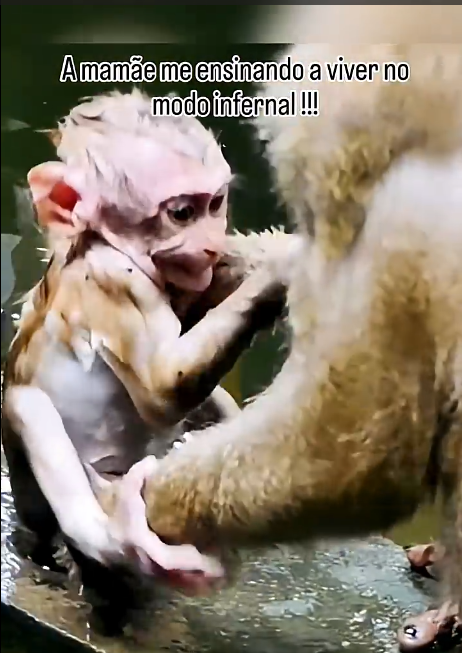
Children who experience both kindness and cruelty often have a unique perspective on life. They understand the value of compassion. They appreciate safety and love more deeply. They become advocates for others who cannot speak, driven by a desire to prevent anyone else from suffering as they did.
The truth is simple: the world contains both monsters and angels. Some people are capable of cruelty beyond imagination, and their actions leave lasting wounds. But there are also countless people who embody love, patience, and protection. The difference between these two paths—monster or caretaker—has life-altering consequences.
Every child deserves a safe start, consistent care, and unconditional love. And society must remain vigilant. Recognizing the potential for harm, providing support for families, and intervening when children are at risk are not acts of intrusion—they are acts of responsibility, justice, and compassion.
It is horrible to acknowledge that monsters exist among people. But acknowledging this reality is the first step toward protection. It allows communities, governments, and individuals to work toward safety, care, and justice for children everywhere.
At the end of the day, the existence of monsters does not define the human spirit. Love, kindness, and courage also define it. Every child saved, every child nurtured, every child loved is a testament to the good that can prevail, even in a world where cruelty exists.
So while some people are monsters, there are many more who are not. And for every child who suffers, there is hope that someone will step in, offering care, protection, and love. These children grow, heal, and eventually carry forward the lessons of kindness they once received.
The contrast is stark. The reality is cruel. But the power of love and intervention is stronger. For children, this love is not optional—it is survival. And every child who experiences it proves that even in a world with monsters, there is hope, healing, and humanity.
Because while monsters may exist, kindness wins when someone refuses to look away. And for the children who survive, life can finally feel safe, nurturing, and full of love.