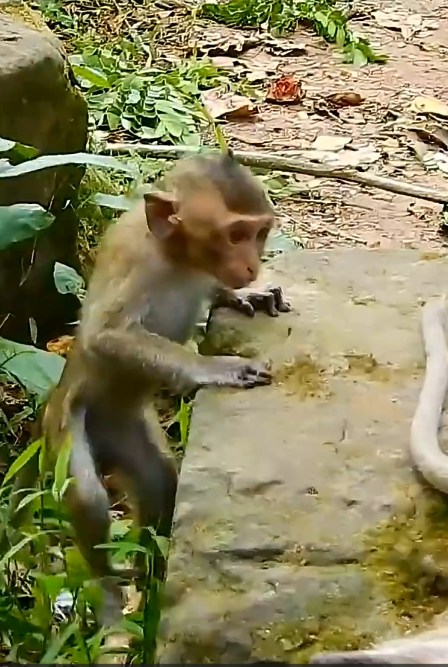
In the dense canopies of tropical forests, the life of a monkey is both playful and precarious. Among the many members of a monkey troop, baby monkeys occupy a unique and vulnerable position. They are full of curiosity and energy, yet they are inexperienced and unsteady. Every leap, every branch, and every unfamiliar sound is a lesson in survival. Most importantly, when they feel unstable, baby monkeys instinctively seek help from their mothers, siblings, or even other members of the troop.
This instinctive behavior is a remarkable reflection of the social and emotional intelligence inherent in primates. Unlike solitary creatures, monkeys rely heavily on social bonds to navigate the complexities of their environment. For a baby monkey, seeking assistance is not a sign of weakness—it is a strategy for safety, learning, and growth.
The Early Days: Learning to Move
From the moment they are born, baby monkeys are entirely dependent on their mothers. Clinging to fur-covered bellies, they experience the world primarily through touch, sight, and smell. Movement is limited at first, but soon, curiosity drives them to explore.
The first attempts at climbing, leaping, or even grasping for a dangling branch often end with instability. Baby monkeys wobble, their tiny hands occasionally slipping, and their little feet struggling to find purchase. At these moments, instinct kicks in: they cry out or reach for the nearest caregiver.
The mother responds immediately. She might extend a supportive hand, reposition the baby, or vocalize reassurance. This rapid response reinforces the baby’s trust and teaches it the importance of social bonds. Over time, these interactions help the infant monkey develop confidence, coordination, and awareness of its surroundings.
The Importance of Vocal Signals
Baby monkeys do not rely solely on physical gestures to seek help. Their vocalizations are equally critical. When frightened, unsteady, or unsure, they emit high-pitched calls that alert their mothers and sometimes the entire troop.
These calls serve multiple purposes. Firstly, they signal immediate danger or discomfort. Secondly, they strengthen social cohesion, reminding the troop of the interconnectedness between its members. Thirdly, they provide the baby monkey with a sense of security, knowing that help is nearby.
Interestingly, these vocal signals are specific. A cry of fear may differ from a call for food or attention, demonstrating an early understanding of communication and context. Observing these behaviors provides fascinating insight into the cognitive development of young primates.
Seeking Physical Support
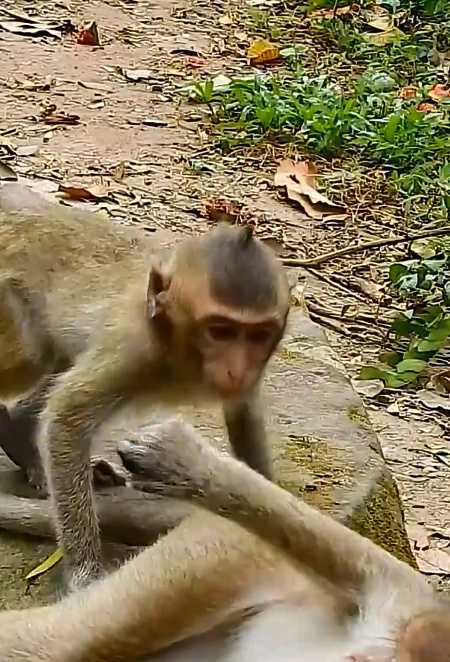
Beyond vocalization, baby monkeys often seek physical stability through touch. They grasp their mother’s tail, arms, or torso, holding tightly when attempting a new movement. Sometimes they cling to older siblings or even a trusted member of the troop when the mother is unavailable.
This tactile support serves several purposes. It prevents falls and injuries, provides emotional reassurance, and teaches the young monkey about balance and body awareness. Every moment of physical contact is an opportunity to learn. By observing how the caregiver moves, adjusts, or corrects, the baby begins to understand the mechanics of safe movement.
The Role of Observation
Baby monkeys are keen observers. Even when they do not directly seek help, they watch older members performing jumps, swings, and foraging. When attempting similar actions, they often emulate these movements, testing their stability while staying close enough to intervene if something goes wrong.
Observation coupled with assistance creates a feedback loop: the infant learns from trial and error while remaining protected. When they feel unsure, they don’t hesitate to return to a familiar figure for guidance or safety. This combination of observation and seeking help is crucial in shaping a competent, confident adult monkey.
Lessons in Independence
While seeking help is vital, baby monkeys also gradually learn to act independently. Each successful climb, leap, or grasp strengthens their confidence. Mothers encourage exploration while remaining within reach, understanding that learning occurs through both support and challenge.
The balance between guidance and independence is delicate. Too much protection may limit the baby’s growth, while too little may expose it to unnecessary risk. Monkeys instinctively navigate this balance, ensuring that young ones gain both security and the courage to explore.
Emotional Security and Social Bonds
Seeking help is not only about physical stability—it also provides emotional security. Baby monkeys thrive on the reassurance that comes from social connections. When a young monkey clings, cries, or reaches out for help, it experiences the warmth and responsiveness of its community.
These interactions foster trust and emotional resilience. Monkeys are highly social creatures, and early experiences of care and support have long-term effects on behavior, problem-solving skills, and social relationships within the troop.
Group Dynamics and Learning
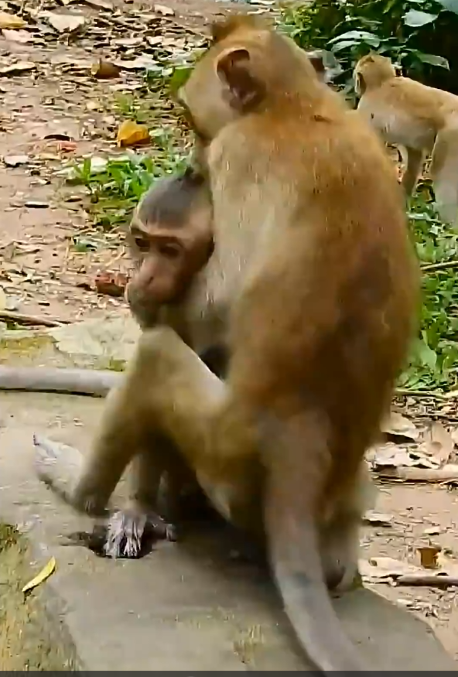
In larger troops, baby monkeys often seek help from multiple members, not just their mothers. Older siblings, aunts, or protective males may provide support. This extended care network reinforces the concept of communal responsibility, where each member plays a role in the survival and education of the young.
Watching multiple interactions allows the infant to learn social cues, hierarchies, and appropriate behaviors. Every reach for help is also a lesson in how relationships work, who is trustworthy, and how to navigate social structures.
The Role of Play
Play is another critical aspect of how baby monkeys practice balance and seek help. Rough-and-tumble games, gentle wrestling, and mock chases provide opportunities for the young to test coordination and stability in a low-risk environment.
During play, babies often stumble or wobble. In these moments, they instinctively seek support or guidance. Sometimes a sibling intervenes, correcting a fall or helping the infant regain balance. This playful environment accelerates learning while reinforcing social bonds and emotional confidence.
Facing Real Challenges
There are times when instability is more serious. Falling from a branch, missing a jump, or encountering a predator can test the limits of a baby monkey’s skills. During these moments, the instinct to seek help becomes vital.
A mother’s quick response can be life-saving. Other troop members may form a protective circle, or the baby may be lifted to safety. These responses are immediate, reinforcing the importance of the baby’s calls for assistance and highlighting the sophisticated social strategies of primates.
Growing Confidence Over Time
As baby monkeys grow, the frequency of help-seeking gradually decreases. Each successful independent action reinforces self-confidence. By observing, practicing, and receiving support, the infant develops not only physical stability but also emotional resilience.
Eventually, the young monkey transitions from a reliant infant to an agile, self-sufficient juvenile capable of navigating the forest with skill and caution. The lessons learned from seeking help in early life continue to influence behavior, problem-solving, and social relationships throughout adulthood.
Human Reflection
Observing baby monkeys offers valuable insights into the importance of support and learning in early development—not just for primates but for humans as well. Seeking help is not a weakness; it is a vital tool for growth and safety. Emotional and physical support, combined with opportunities to explore independently, fosters confidence and resilience.
In many ways, the life of baby monkeys mirrors human experiences. Just like infants and toddlers, young monkeys rely on attentive caregivers and social networks to navigate the challenges of early life. The instinct to reach out when unstable reflects an innate understanding of vulnerability, trust, and the value of community.
Conclusion
The life of baby monkeys is a delicate balance of exploration, learning, and seeking support. When they feel unstable, they reach out—crying, clinging, or observing closely—relying on their mothers and troop members to guide and protect them. These behaviors ensure survival, teach essential skills, and strengthen social bonds.
“Life of Monkeys: Baby Monkeys Seek Help When They’re Feeling Unstable” is more than a story of survival; it’s a story of trust, connection, and growth. From the first wobbly climb to the confident leaps of a juvenile, each act of seeking help lays the foundation for a capable, resilient adult. It is a testament to the power of social bonds, emotional intelligence, and the instinctual wisdom that guides these fascinating creatures through the challenges of their wild world.
Even in moments of instability, baby monkeys demonstrate courage and resourcefulness. By reaching out for help, they learn to navigate not just the forest, but life itself—a life where community, guidance, and support are as essential as strength and skill.