In a busy animal shelter, where the sounds of barking, footsteps, and playful scuffles filled the air, there was one little dog who stood out—not for his energy or his antics, but for his quiet, unwavering need: he only wanted to be carried. From the moment rescuers found him, it was clear that this tiny creature had endured hardships that made him wary of the world, but deeply attached to anyone willing to hold him with care.
This is the story of a rescue dog whose simple desire—to be carried—reveals a profound lesson about trust, love, and the gentle bonds between humans and animals.
A Troubled Beginning
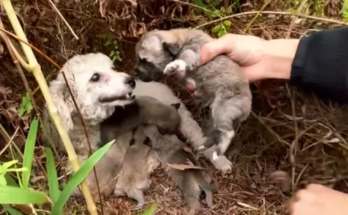
The dog, later named Coco, was discovered abandoned in an alley on a rainy evening. His fur was matted and damp, his small body shivering from cold and exhaustion. He had clearly been left to fend for himself, navigating streets and dangers without guidance or comfort.
When the rescue team arrived, they found Coco curled up in a cardboard box, trembling but alert. He didn’t bark, didn’t whine—he simply looked at the humans with eyes that seemed to say, please help me, but don’t hurt me. His fragile appearance and cautious demeanor immediately tugged at the hearts of those who found him.
First Contact
Approaching Coco required patience. Rescue volunteers knew that dogs who had endured abandonment or trauma often react unpredictably to sudden gestures. They knelt down at his level, speaking softly, allowing him to sniff their hands. Coco hesitated, his little body stiff, but when one volunteer gently scooped him into their arms, something remarkable happened: he relaxed completely.
It was as if Coco had spent his life waiting for a safe place, a warm embrace, and finally, in that moment, he found it. His head rested against the volunteer’s chest, and his tiny legs curled into their arms. He didn’t struggle, didn’t whine—he simply let himself be held.
From that day forward, it became clear: Coco wanted nothing more than to be carried.
A Unique Personality

At the shelter, dogs often run, play, or explore. Coco, however, had a singular focus. He followed volunteers with his eyes, wagging his tail softly, and when anyone attempted to place him on the ground, he would nuzzle upward, signaling that he preferred the safety of arms.
Volunteers soon realized that carrying him wasn’t just a preference—it was a necessity for his emotional well-being. Every time he was set down, Coco would exhibit signs of anxiety: pacing, whining, or circling. But the moment he was lifted, his body relaxed, his tail wagged, and his small face would brighten with contentment.
This behavior revealed a lot about Coco’s past. Dogs who have experienced abandonment or trauma often cling to security and seek physical closeness as a way to cope with fear. For Coco, being carried was more than comfort—it was trust manifested in physical form.
Gaining Confidence Through Touch
Interestingly, Coco’s desire to be carried did not indicate weakness. On the contrary, it was his way of navigating the world safely while slowly learning to trust again. Being held allowed him to observe new environments from a position of security. He could take in the sights and sounds without feeling threatened, and gradually, he became more comfortable with interactions, toys, and other dogs.
Volunteers noted that as long as he was carried, Coco would wag his tail, bark playfully, and even nuzzle at toys or treats. It was a gentle reminder that trust and love can unlock a dog’s playful, confident side—even in those who have faced trauma.
Daily Life at the Shelter
Coco’s daily routine revolved around being carried. From morning feeding to afternoon walks, volunteers ensured he spent most of his time in arms. While unusual for a dog, this arrangement worked perfectly for Coco. He thrived emotionally, showing affection through soft licks, gentle nudges, and contented sighs when cradled.
His unique personality also made him a favorite among shelter staff. People would stop to hold him, enjoying the warmth of a small, trusting creature who had learned to offer love despite his past suffering. His story quickly spread on social media, captivating audiences with his simple, endearing desire.
The Path to Adoption
Eventually, Coco’s story reached a family looking for a companion. They had experience with rescue dogs and were drawn to his need for closeness. During the first meeting, Coco’s behavior was predictable: he climbed into the volunteer’s arms and stayed curled up, observing the family cautiously. But the family understood. They gently lifted him, cradling him as he relaxed completely.
It was love at first sight. Coco’s preference to be carried was no obstacle—it was a sign of trust, and the family accepted it wholeheartedly. They knew that his past had made him wary, and they were willing to provide the security and affection he needed.
Adapting to a Forever Home
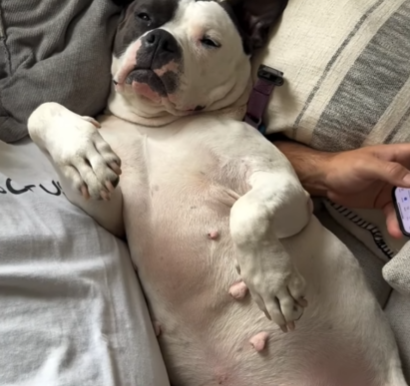
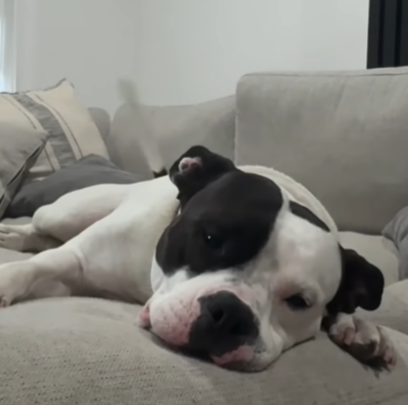
In his new home, Coco thrived. He followed his family from room to room, always seeking the warmth and comfort of being held. At first, he resisted walking long distances alone, preferring arms over floors. But as his confidence grew, he began to explore more actively, though he still cherished cuddle time above all else.
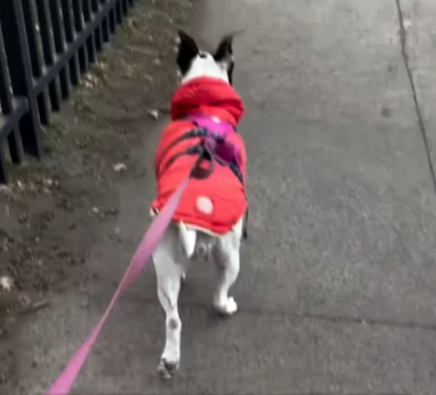
The family learned to respect his boundaries while gently encouraging independence. Walks included both being carried and moments on the ground, allowing Coco to enjoy the environment safely. His health improved, his coat grew shinier, and his personality blossomed into a blend of playful curiosity and affectionate devotion.
The Emotional Lesson
Coco’s story illustrates a powerful truth: the needs of rescue dogs are as much emotional as they are physical. Neglect, abandonment, or trauma can shape behavior in ways that seem unusual but are entirely understandable. For Coco, being carried was a way to cope, trust, and feel safe in a world that had once been cruel.
By respecting his preferences and offering consistent love, the family allowed Coco to heal completely. His desire to be carried was never spoiled; it was nurtured as a part of his identity, giving him a sense of security that transformed his life.
A Symbol of Trust and Healing
Today, Coco’s story serves as a reminder of the patience, empathy, and understanding required to care for animals with traumatic pasts. While some may find it unusual for a dog to prefer being carried, his behavior reflects resilience and trust. Every time Coco curls into the arms of a loved one, he demonstrates that even after hardship, love and safety can bring out the best in a soul.
Coco’s favorite moments are simple: a gentle hug, a soft voice, and the reassurance that he is no longer alone. These gestures, though small, have created a profound transformation, turning a timid, abandoned dog into a joyful, loving companion.
Final Thoughts
This Rescue Dog Only Wants to Be Carried is more than a story about a unique dog—it is a story about trust, patience, and the healing power of human connection. Coco reminds us that animals, especially those who have faced trauma, communicate their needs in ways that are often unconventional but deeply meaningful.
By listening, observing, and responding with compassion, humans can help animals recover, thrive, and even show affection in ways that melt hearts. Coco’s journey proves that love is not just about teaching a dog new behaviors—it is about honoring their past, understanding their fears, and offering comfort in whatever form they need.
In the end, Coco doesn’t just want to be carried—he wants to feel safe, loved, and valued. And in the arms of his family, that desire is fulfilled every single day. His story continues to inspire, reminding everyone that a little patience, understanding, and a gentle embrace can change a life forever. 🐾💚