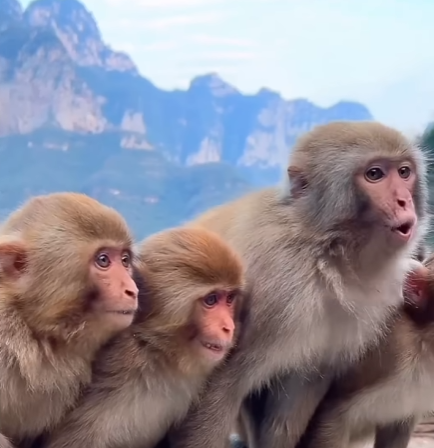
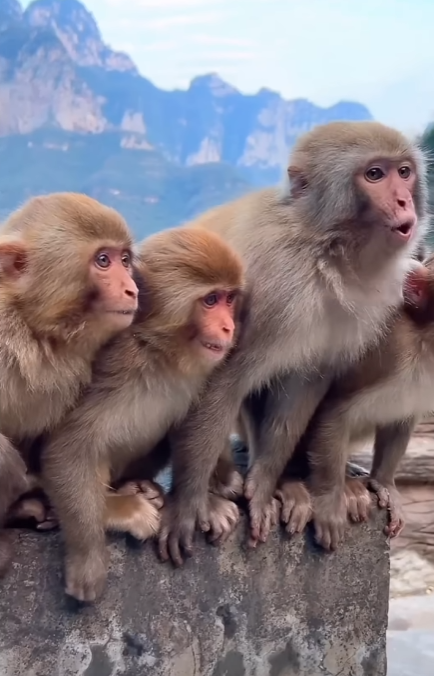
In the dense, green forests where sunlight filters softly through the canopy, the lives of monkeys unfold in a rhythm that is both delicate and fascinating. Monkeys are curious, energetic, and highly social creatures. They thrive not just on food but on the attention, care, and love they receive from those around them. Their lives are full of playful antics, lessons learned, and the daily challenges of survival, but one thing remains constant: the importance of tender loving care and proper feeding.
The Foundation of Monkey Life
Monkeys live in tightly knit social groups called troops, where each member depends on the others for survival, protection, and companionship. In this environment, care is not just about feeding—it is about nurturing physical health, emotional stability, and social development. A well-fed monkey is energetic, playful, and healthy, while a monkey that is neglected may struggle to grow, interact, or thrive.
From the moment a baby monkey is born, its survival depends on the tender care of its mother and the support of the troop. Mothers groom their young, provide warmth, and teach them the skills necessary to navigate the complex social dynamics of the group. A baby monkey’s health and happiness are directly linked to the attention it receives.
The Role of Nutrition
Feeding monkeys well is crucial. Their diet in the wild includes fruits, leaves, insects, and occasional small animals, depending on the species. These foods provide essential nutrients, vitamins, and energy for growth. A diet lacking in variety or proper nutrition can lead to weakness, illness, or developmental problems.
Providing monkeys with a balanced diet ensures that they have the energy to play, explore, and interact with others. It also supports their cognitive development. Young monkeys learn quickly from their surroundings, and they need the energy and focus to engage in these important lessons.
Tender Loving Care: Beyond Feeding
While nutrition is vital, monkeys also need emotional care. Grooming, gentle attention, and protective supervision are essential for their mental and emotional well-being. When monkeys are loved and cared for, they feel safe to explore, play, and interact with their environment.
Tender care teaches monkeys to trust others, strengthens social bonds, and reduces stress. Stress in monkeys can manifest as aggression, withdrawal, or health problems. By providing consistent care, humans and adult monkeys alike help ensure that the troop remains harmonious and that young monkeys grow into confident, well-adjusted adults.
Baby Monkeys and Their Dependency

Baby monkeys are the most dependent members of the troop. They rely on their mothers and other adults not just for food but for guidance and protection. The first weeks and months of life are critical. During this period, babies are taught how to cling to branches, how to groom, how to recognize threats, and how to communicate with other troop members.
A baby monkey that receives tender loving care learns more effectively. It gains confidence to explore, curiosity to learn new skills, and the security to form friendships. The combination of love, guidance, and nutrition sets the stage for a lifetime of success within the troop.
The Joy of Play
Monkeys are playful by nature, and play is an essential part of life. It strengthens muscles, develops coordination, and helps them learn the social rules of their group. Play can include chasing, climbing, swinging, gentle wrestling, or even mock fights.
A monkey that is well-fed and cared for will engage in play enthusiastically. Hungry or neglected monkeys may lack the energy or confidence to participate fully, which can affect their physical and social development. By providing food and care, caretakers ensure that monkeys can fully embrace their natural playfulness.
Social Learning and Bonding
Monkeys learn from each other constantly. Grooming, playing, and observing older members of the troop teach young monkeys essential skills. Tender loving care strengthens these social bonds. When monkeys feel loved and secure, they are more willing to participate in group activities, share food, and follow the example of more experienced troop members.
Feeding monkeys properly also plays a role in social harmony. When food is shared fairly and care is consistent, the troop develops trust. Disputes over food or neglect can lead to tension, aggression, and weakened social cohesion. Proper feeding and care create a strong foundation for a healthy, cooperative group.
Recognizing the Signs of Need
Observing monkeys carefully is key to providing appropriate care. Signs of hunger, stress, or illness should be addressed promptly. A monkey that is quiet, withdrawn, or lethargic may be lacking proper nutrition or emotional support. Providing tender care means not just feeding them, but also paying attention to their moods, interactions, and behaviors.
By responding to these signals, caretakers and troop members can prevent problems before they become serious. Early intervention ensures that monkeys grow up healthy, happy, and fully integrated into their social group.
Human Interaction and Compassion

For humans working with or observing monkeys, the principle is the same: treat them with care, respect, and attention. Feeding them properly, providing safe environments, and engaging gently fosters trust and cooperation. Monkeys are highly perceptive; they notice kindness and respond to it with affection and curiosity.
Compassionate care can create moments of profound connection. A baby monkey climbing onto a caretaker’s shoulder, wrapping its tiny arms around their neck, or softly squeaking in response to gentle touch illustrates the deep bonds that can form when care and respect are prioritized.
Long-Term Benefits
Monkeys that receive tender loving care and proper nutrition are more likely to thrive as adults. They are healthier, stronger, and socially adept. They are also more likely to succeed in navigating the challenges of forest life, whether it involves finding food, climbing skillfully, or maintaining their place in the troop hierarchy.
Moreover, monkeys who grow up in environments of care are more likely to care for the next generation, perpetuating a cycle of compassion, protection, and proper nurturing within the troop.
The Heart of the Message
Life of Monkeys: Give Them Tender Loving Care and Feed Them Well! is more than a call to action—it is a philosophy. The well-being of monkeys depends on attentive care, balanced nutrition, and emotional support. Their survival, happiness, and social development are intertwined with the care they receive from adults in their troop and, in cases of human observation or rehabilitation, from their caretakers.
Tender loving care ensures that monkeys can thrive physically, mentally, and socially. Proper feeding provides the energy and nutrition necessary for growth and play. Together, these factors create an environment where monkeys can develop into confident, capable, and joyful members of their troop.
Final Thoughts
Watching monkeys interact, play, and grow under proper care is a profound experience. Their curiosity, intelligence, and social bonds remind us of the importance of nurturing, patience, and attentiveness. Feeding them well is not just about satisfying hunger—it’s about fostering trust, encouraging growth, and supporting emotional well-being.
In the life of monkeys, tender loving care and proper feeding are the keys to survival and happiness. Every shared meal, gentle touch, and moment of attention reinforces the bonds of trust, encourages play, and nurtures development. For both baby monkeys and adults alike, care and nourishment are not optional—they are essential.
By giving monkeys the attention, food, and love they deserve, we help them thrive, ensuring that the forest remains alive with laughter, energy, and the remarkable spirit of these incredible creatures. 🐒💚