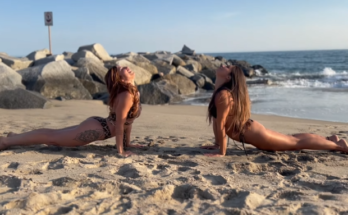
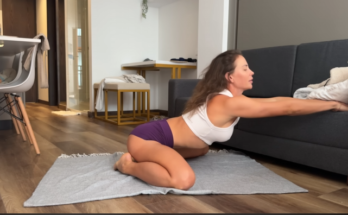
Flexibility is often admired for its beauty and athleticism, but beyond aesthetics, it plays a vital role in joint health, mobility, posture, and overall well-being. When people set out to become more flexible, two popular paths usually emerge: contortion and yoga. Both disciplines are well known for producing impressive flexibility, yet they differ greatly in philosophy, training methods, and long-term impact on the body.
So which one is the better choice for flexibility? The answer depends on your goals, lifestyle, and how you want your body to feel—not just how far it can stretch.
Understanding Flexibility Beyond Stretching
Flexibility is not simply about how far you can bend. True flexibility involves a balance between mobility, strength, control, and nervous system regulation. A flexible body should be able to move into and out of positions safely, repeatedly, and without pain.
Both contortion and yoga improve flexibility, but they do so in very different ways. Understanding these differences is essential before choosing which path aligns best with your needs.
What Is Contortion?
Contortion is a performance-based discipline that focuses on extreme ranges of motion, often beyond what is considered average human flexibility. It is commonly seen in circus arts, rhythmic gymnastics, and stage performances.
Key Characteristics of Contortion
- Emphasis on maximum range of motion
- Training toward splits, oversplits, deep backbends, and extreme joint positions
- High focus on passive flexibility
- Often performance-oriented
- Requires early training or long-term commitment for peak results
Contortionists train the body to adapt to very deep stretches, sometimes pushing joints beyond 180 degrees. This requires not only flexibility but also pain tolerance, mental focus, and highly specific conditioning.
What Is Yoga?
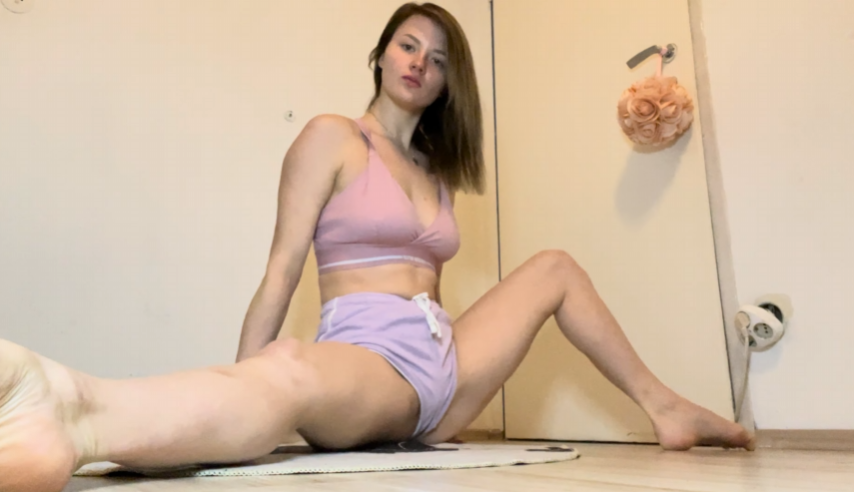
Yoga is a holistic practice that combines movement, breath, strength, flexibility, and mindfulness. While flexibility is a key component, it is never the sole goal.
Key Characteristics of Yoga
- Emphasis on balanced mobility and strength
- Focus on active flexibility
- Integration of breath and nervous system regulation
- Adaptable to all ages and body types
- Strong emphasis on longevity and body awareness
Yoga styles range from gentle and restorative to physically demanding, but even the most flexibility-focused yoga traditions prioritize control, alignment, and internal awareness over extreme range.
Flexibility in Contortion: The Pros and Cons
Advantages of Contortion Training
Contortion can produce dramatic flexibility results in a relatively short time—especially when started young. If your goal is to achieve extreme shapes for performance or visual impact, contortion offers unmatched results.
Benefits include:
- Exceptional range of motion
- Visually striking abilities
- High specialization for artistic performance
- Strong mental discipline
Challenges and Risks
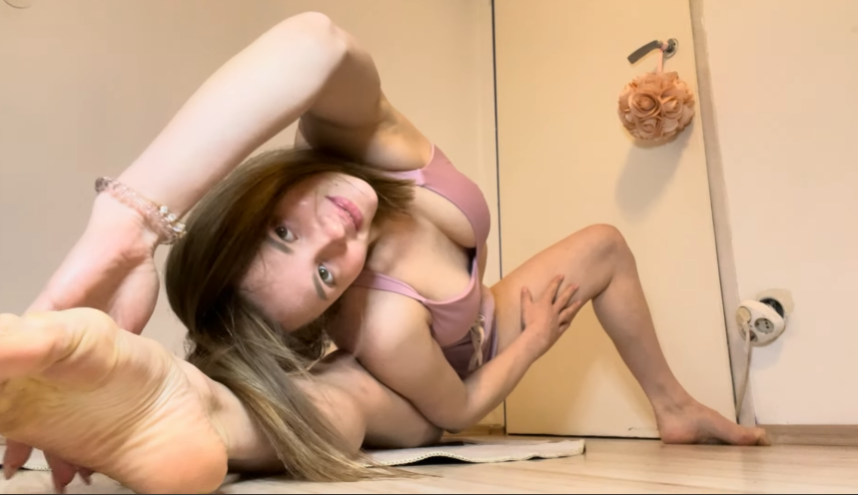
However, contortion comes with risks. Extreme passive stretching can place stress on joints, ligaments, and connective tissues if not balanced with strength.
Common concerns include:
- Joint instability if strength is insufficient
- Increased injury risk without expert supervision
- Overstretching ligaments (which do not rebound like muscles)
- Long recovery times
- Not always sustainable long-term
For adults beginning contortion later in life, progress can be slower and injury risk higher unless training is very carefully managed.
Flexibility in Yoga: The Pros and Cons
Advantages of Yoga for Flexibility
Yoga improves flexibility in a way that is functional, sustainable, and protective of the joints. It encourages length while maintaining muscular engagement and stability.
Benefits include:
- Improved joint health and posture
- Balanced strength and mobility
- Nervous system calming through breathwork
- Reduced muscle tension and stress
- Adaptability for different bodies and ages
Yoga trains flexibility in harmony with the body’s natural structure. Instead of forcing deeper positions, yoga teaches patience and awareness.
Limitations of Yoga
Yoga may not take everyone to extreme flexibility levels such as oversplits or ultra-deep backbends—especially without years of consistent practice.
Some people may find:
- Progress feels slower
- Less emphasis on dramatic flexibility goals
- Fewer extreme range positions compared to contortion
However, this “slower” progress is often what makes yoga safer and more sustainable.
Active vs. Passive Flexibility: A Crucial Difference
One of the biggest distinctions between contortion and yoga lies in active versus passive flexibility.
- Passive flexibility (common in contortion) refers to how far the body can stretch with assistance—gravity, props, or external force.
- Active flexibility (central to yoga) refers to how far you can move and hold a position using muscular control alone.
Yoga prioritizes active flexibility, which:
- Protects joints
- Improves balance and coordination
- Translates better into daily movement
- Reduces injury risk
Contortion often develops extraordinary passive flexibility, but without adequate strength, this can create vulnerability in the joints.
The Role of the Nervous System
Flexibility is deeply connected to the nervous system. When the body feels unsafe, muscles resist stretching. When it feels calm, flexibility increases naturally.
Yoga places significant emphasis on:
- Slow breathing
- Relaxation response
- Mindfulness
- Stress reduction
This nervous system regulation allows muscles to release without force.
Contortion training, especially in performance environments, may prioritize physical results over nervous system cues, requiring greater mental discipline and tolerance for discomfort.
Who Should Choose Contortion?
Contortion may be the better choice if:
- Your goal is performance or circus arts
- You want extreme visual flexibility
- You have access to professional coaching
- You are willing to commit to intense training and recovery
- You understand and accept the physical risks
It is best suited for individuals who treat flexibility as a specialized skill rather than a general wellness tool.
Who Should Choose Yoga?

Yoga may be the better choice if:
- You want flexibility with strength and control
- Your goal includes stress relief and longevity
- You are interested in whole-body wellness
- You want a practice adaptable over a lifetime
- You prefer mindful, sustainable progress
Yoga is ideal for people seeking flexibility that supports everyday movement, posture, and long-term joint health.
Can You Combine Both?
Yes—when done intelligently.
Many advanced flexibility practitioners blend yoga and contortion:
- Using yoga to build strength, alignment, and awareness
- Using selective contortion stretches to explore deeper ranges
This hybrid approach requires discipline and body awareness. Yoga acts as the stabilizing foundation, while contortion elements are added gradually and sparingly.
Without this balance, extreme flexibility work can become unsafe.
The Long-Term Perspective
When choosing between contortion and yoga, it’s important to consider not just what your body can do now, but how you want it to feel 10, 20, or 30 years from now.
Yoga emphasizes longevity, resilience, and internal balance.
Contortion emphasizes peak performance and extraordinary ability.
Neither is inherently better—only better suited to different goals.
Final Verdict: What’s the Best Choice for Flexibility?
The best choice for flexibility depends on why you want to be flexible.
If your goal is:
- Extreme ranges
- Performance artistry
- Visual impact
→ Contortion may be the right path.
If your goal is:
- Healthy, functional flexibility
- Strength and stability
- Mental calm and body awareness
→ Yoga is likely the better choice.
For most people, yoga provides flexibility that enhances life rather than dominating it. For a dedicated few, contortion offers a breathtaking pursuit of human potential.
Whichever path you choose, remember this:
True flexibility is not about how far you can bend—it’s about how well you can move, breathe, and live in your body.