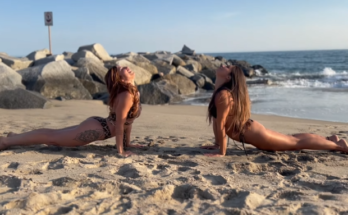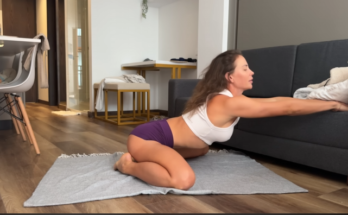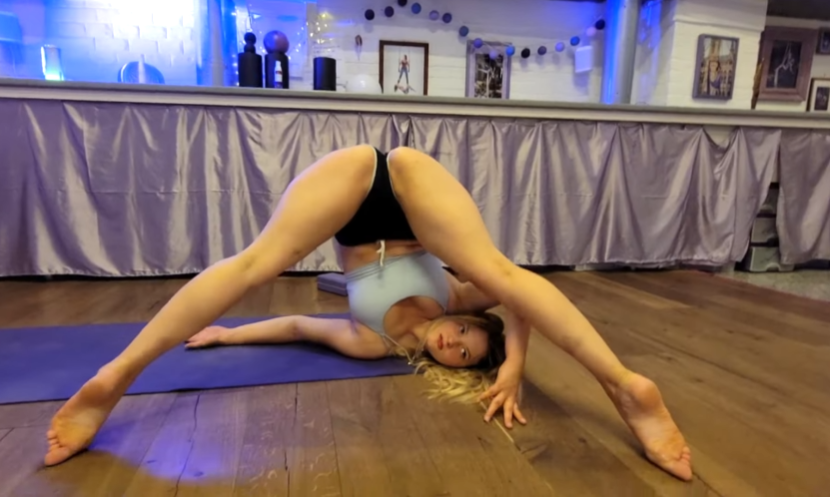
Leg flexibility is one of the most visually striking and technically important elements in contortion and gymnastics. From elegant split leaps to dramatic oversplits, exceptional leg flexibility allows athletes and performers to move with grace, power, and control. However, achieving this level of mobility requires patience, intelligent training, and a deep understanding of how the body responds to stretching.
This guide explores the foundations of leg flexibility in contortion and gymnastics, focusing on safe stretching methods, splits, and oversplits, while emphasizing body awareness, consistency, and injury prevention.
Understanding Leg Flexibility
Leg flexibility refers to the ability of the muscles and joints in the hips, thighs, knees, and ankles to move through a wide range of motion. In contortion and gymnastics, flexibility must be active as well as passive. This means the muscles should not only stretch but also remain strong enough to support and control movement.
Key muscle groups involved include:
- Hamstrings
- Hip flexors
- Quadriceps
- Adductors (inner thighs)
- Gluteal muscles
Flexibility develops gradually as muscles lengthen and connective tissues adapt. Rushing this process can lead to strain or injury, which is why mindful progression is essential.
The Role of Warm-Up in Flexibility Training
A proper warm-up is non-negotiable for flexibility training. Cold muscles resist stretching and are more vulnerable to injury. Before attempting splits or oversplits, the body must be fully prepared through gentle cardiovascular movement and dynamic stretches.
Effective warm-ups may include light jogging, skipping, leg swings, and controlled lunges. These movements increase blood flow, elevate muscle temperature, and prepare the joints for deeper ranges of motion.
Warming up also improves neuromuscular connection, helping the brain communicate more effectively with the muscles during stretching.
Basic Stretching for Leg Flexibility
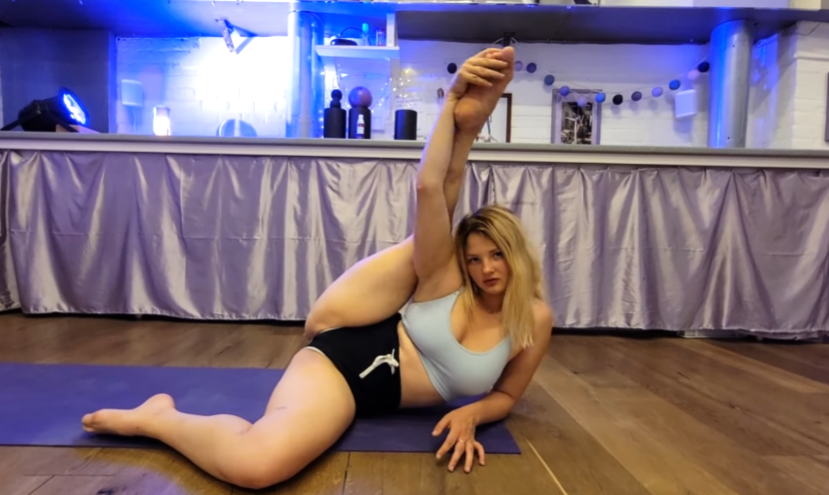
Before progressing to advanced positions, foundational stretches help create balance and symmetry in the legs and hips.
Hamstring stretches improve forward folding and front split alignment. These should be performed with a neutral spine and controlled breathing.
Hip flexor stretches are especially important, as tight hip flexors can limit splits and cause lower back strain. Gentle lunges with pelvic control help release tension safely.
Inner thigh stretches support side splits and straddle positions. These stretches should be slow and supported, allowing gravity to assist without forcing the range.
Consistency in basic stretching builds a strong base for advanced flexibility.
Front Splits: Technique and Alignment
The front split is a fundamental position in gymnastics and contortion. Proper alignment is more important than depth. The hips should remain square, with the front hip pulling back and the back hip rotating forward.
Key points to focus on:
- Engage the core to support the spine
- Keep the back leg extended and active
- Avoid collapsing into the hips
- Breathe deeply and evenly
Using yoga blocks or cushions under the hips can provide support while maintaining proper form. Progress should feel challenging but not painful.
Side Splits and Straddle Flexibility
Side splits require flexibility in the inner thighs and hips, along with strength to maintain control. Unlike front splits, side splits depend heavily on hip structure, meaning progress varies greatly between individuals.
When training side splits:
- Keep the knees and toes pointing upward
- Maintain an upright torso when possible
- Avoid forcing the legs wider than the hips allow
Straddle stretches help improve range while strengthening the muscles that protect the hips. Gentle rocking and active engagement can enhance results.
Oversplits: Advanced Flexibility Training
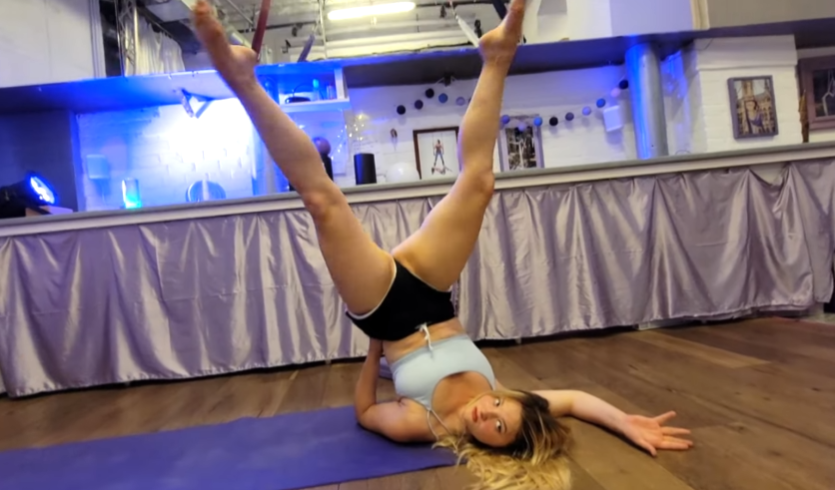
Oversplits go beyond the standard 180-degree split and require exceptional flexibility, control, and preparation. They are commonly used in advanced gymnastics and contortion performances but should only be attempted after mastering standard splits.
Oversplits are achieved by elevating the front or back leg using blocks, mats, or platforms. This increases the stretch intensity and requires greater muscle relaxation and joint awareness.
Safety guidelines for oversplits:
- Never attempt without full warm-up
- Use gradual elevation, not sudden height
- Maintain alignment and core engagement
- Avoid bouncing or forcing
Oversplits should feel intense but controlled. Sharp pain or joint discomfort is a sign to stop immediately.
Active vs. Passive Flexibility
Passive flexibility refers to how far the body can stretch with external assistance, such as gravity or props. Active flexibility is the ability to lift and hold the leg using muscular strength alone.
In contortion and gymnastics, active flexibility is crucial. It protects joints, improves balance, and enhances performance quality.
Exercises like leg lifts, controlled kicks, and slow transitions between poses help develop active flexibility. This balance between strength and stretch reduces injury risk and improves long-term progress.
Breathing and Nervous System Regulation
Breathing plays a vital role in deep stretching. Slow, controlled breathing helps calm the nervous system, allowing muscles to relax more fully. Holding the breath can increase tension and limit flexibility.
Exhaling deeply during stretches encourages the body to release resistance. Over time, this practice improves both flexibility and body awareness.
Stretching should always feel intentional, not rushed. Stillness combined with steady breath creates the best conditions for safe progress.
Common Mistakes to Avoid
Many flexibility-related injuries occur due to improper technique or impatience. Common mistakes include:
- Stretching cold muscles
- Forcing splits too quickly
- Ignoring pain signals
- Neglecting strength training
- Overtraining without rest
Flexibility gains happen during recovery, not just stretching. Adequate rest, hydration, and nutrition support tissue adaptation and prevent burnout.
Training Frequency and Recovery
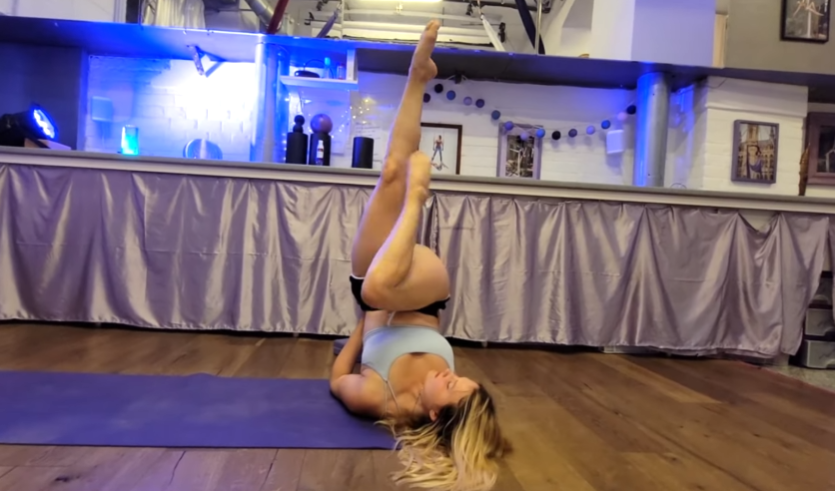
Flexibility training can be done frequently, but intensity should vary. Light stretching can be performed daily, while deep flexibility sessions should be limited to a few times per week.
Rest days are essential, especially when training oversplits or extreme ranges. Gentle mobility work on recovery days helps maintain flexibility without overstressing the body.
Listening to your body ensures sustainable progress and long-term success.
Mental Focus and Patience
Flexibility training is as much mental as physical. Progress is rarely linear. Some days feel easier, others more restrictive. Patience and consistency are key.
Comparing flexibility levels with others can be discouraging. Each body has unique anatomical limits and strengths. Focusing on personal progress creates a healthier and more rewarding practice.
Visualization and positive mindset can also support flexibility gains. When the mind feels safe, the body follows.
Who Can Practice This Training
Leg flexibility training is suitable for gymnasts, dancers, contortionists, martial artists, and anyone seeking improved mobility. Beginners should start slowly and prioritize technique over depth.
Advanced practitioners benefit from refining alignment, strengthening supporting muscles, and respecting recovery time.
No matter the level, flexibility training should always feel empowering rather than painful.
Final Thoughts
Contortion, Gymnastics – Stretches / Leg Flexibility: Splits and Oversplits represents the art of disciplined patience and body awareness. True flexibility is not achieved through force, but through intelligent practice, consistency, and respect for the body’s limits.
By warming up properly, focusing on alignment, developing active flexibility, and progressing gradually, splits and oversplits become not only achievable but safe and sustainable.
Flexibility is a journey—one that builds strength, grace, and confidence over time. Move mindfully, breathe deeply, and allow your body to open at its own pace.