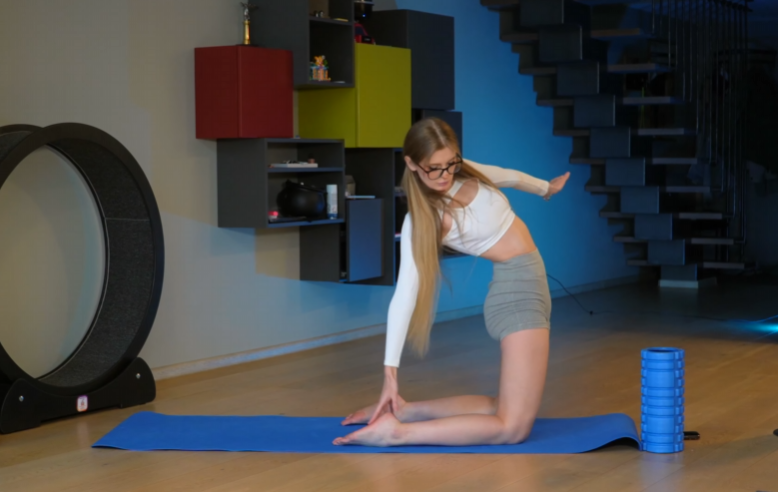
Deep Flexibility Yoga is more than just stretching—it is a journey inward, a gentle yet powerful practice that invites the body to open, soften, and release long-held tension. In today’s fast-paced world, our muscles often become tight from stress, repetitive movements, and prolonged sitting. This practice is designed to counterbalance those habits, offering a space where the body can safely expand its range of motion while the mind finds calm and clarity.
The green heart 💚 represents renewal, balance, and healing—qualities that perfectly align with the essence of deep flexibility yoga. This is not about forcing the body into extreme shapes, but about listening, breathing, and allowing flexibility to unfold naturally over time.
What Is Deep Flexibility Yoga?
Deep Flexibility Yoga focuses on slow, sustained stretches that target muscles, joints, and connective tissues. Unlike fast-paced or strength-focused yoga styles, this practice emphasizes patience and mindfulness. Postures are often held for longer durations, allowing the muscles to relax and the fascia—the connective tissue surrounding muscles—to gently release.
This approach helps improve overall mobility while reducing the risk of injury. By moving slowly and consciously, practitioners develop a deeper awareness of their bodies and learn to respect their individual limits.
The Importance of Breath
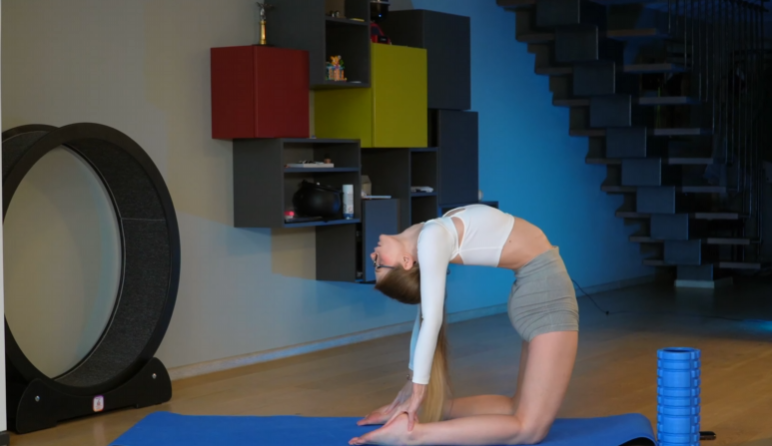
Breathing is the foundation of deep flexibility yoga. Each inhale creates space; each exhale encourages release. When the breath is steady and calm, the nervous system shifts into a relaxed state, signaling the body that it is safe to let go of tension.
In this practice, breath is used as a guide rather than a force. If breathing becomes shallow or strained, it’s a sign to ease back. By syncing breath with movement, flexibility becomes an organic process rather than a struggle.
Preparing the Body for Deep Stretching
Before moving into deep stretches, it’s essential to gently warm up the body. Slow movements for the neck, shoulders, spine, and hips help increase circulation and prepare the muscles for deeper work. This preparation reduces stiffness and allows the body to enter stretches with greater ease.
A mindful warm-up also helps bring awareness into areas that may be holding tension. Often, the body reveals where it needs attention most—tight hips, a stiff lower back, or restricted hamstrings.
Key Areas of Focus
Hips and Pelvis
The hips store both physical and emotional tension. Long periods of sitting can make them tight and unresponsive. Deep flexibility yoga includes poses that gently open the hips, improve circulation, and restore natural mobility. As the hips release, many practitioners notice a sense of emotional lightness and ease.
Hamstrings and Legs
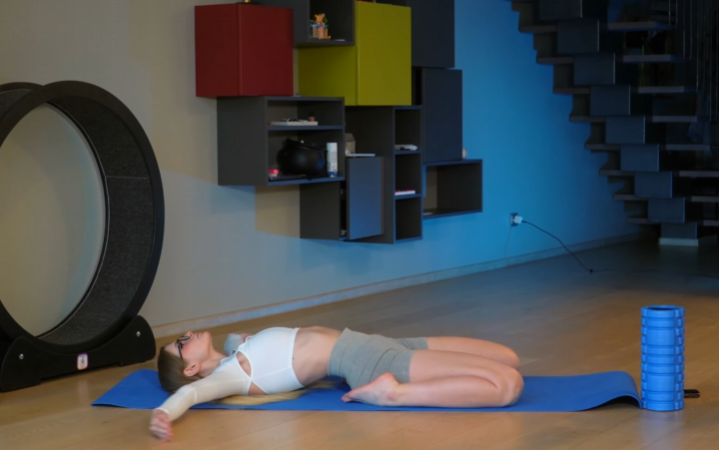
Tight hamstrings affect posture, lower back health, and overall movement quality. Deep stretches for the legs increase flexibility while protecting the knees and spine. Over time, improved hamstring flexibility supports smoother movement in daily life and other physical activities.
Spine and Back
The spine is central to flexibility and vitality. Gentle forward folds, twists, and backbends help hydrate spinal discs and maintain healthy range of motion. These movements not only improve flexibility but also promote better posture and reduce chronic back discomfort.
Shoulders and Chest
Modern lifestyles often pull the shoulders forward, creating tension in the neck and upper back. Deep flexibility yoga opens the chest and shoulders, encouraging an upright posture and easier breathing. This creates a feeling of openness and confidence in the body.
The Role of Stillness
One of the most powerful aspects of deep flexibility yoga is stillness. Holding a pose for an extended period allows the body to move beyond initial resistance. At first, muscles may feel tight or uncomfortable, but with time and steady breathing, they begin to soften.
This stillness teaches patience and presence. It becomes a meditation in motion, where attention is directed inward, and the mind learns to observe sensations without judgment.
Emotional Release and Mental Clarity
Flexibility is not just physical—it’s emotional and mental as well. Deep stretching can bring up stored emotions, especially in areas like the hips and chest. This is a natural part of the process. By breathing through sensations and staying present, practitioners can experience a sense of emotional release and mental clarity.
After a deep flexibility session, many people report feeling calmer, lighter, and more grounded. The mind becomes quieter, and stress feels more manageable.
Benefits of Deep Flexibility Yoga
Regular practice offers a wide range of benefits:
- Increased joint mobility and muscle elasticity
- Reduced muscle tension and stiffness
- Improved posture and body awareness
- Enhanced relaxation and stress relief
- Better balance and coordination
- Support for injury prevention and recovery
Over time, these benefits extend beyond the mat, influencing how you move, sit, stand, and breathe throughout the day.
Who Is This Practice For?
Deep Flexibility Yoga is suitable for all levels, from beginners to advanced practitioners. Beginners are encouraged to use props such as blocks, straps, or cushions to support the body. Advanced practitioners can explore deeper variations while maintaining mindfulness and control.
This practice is especially beneficial for:
- People with tight muscles or limited mobility
- Athletes seeking recovery and balance
- Individuals experiencing stress or mental fatigue
- Anyone looking to slow down and reconnect with their body
The key is consistency and self-compassion, not perfection.
Creating a Safe and Supportive Practice
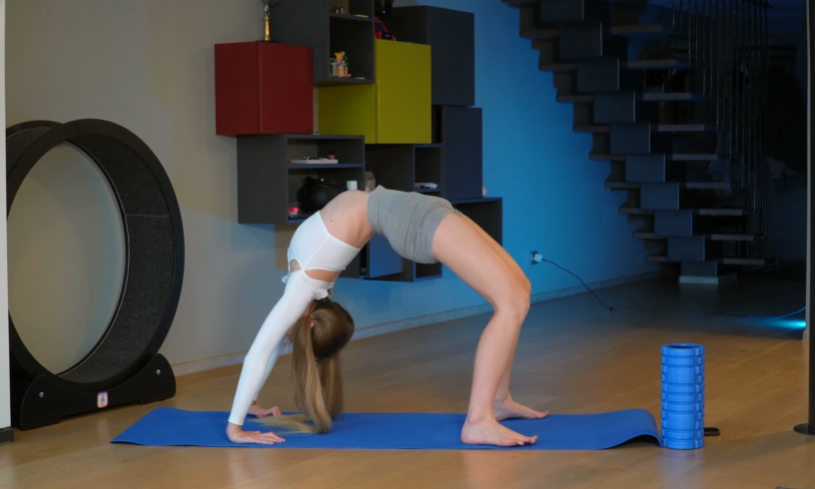
Listening to your body is essential. Deep flexibility should never be painful. Sensation is expected, but sharp pain or strain is a sign to ease off. Using props, adjusting poses, and resting when needed are all part of a healthy practice.
Practicing in a calm, quiet environment enhances the experience. Soft lighting, gentle music, or natural surroundings can help the body relax more deeply.
The Meaning of 💚 in Your Practice
The green heart symbolizes growth, healing, and harmony. Incorporating this mindset into your practice encourages kindness toward yourself. Flexibility develops gradually, and every small improvement is worth celebrating.
By practicing with patience and care, you cultivate not only a flexible body but also a flexible mind—one that adapts, releases, and flows with life’s changes.
Final Thoughts
DEEP FLEXIBILITY YOGA 💚 is an invitation to slow down, breathe deeply, and honor your body exactly as it is. Through mindful movement and sustained stretches, this practice helps you release tension, expand mobility, and reconnect with inner calm.
Whether practiced in the morning to awaken the body or in the evening to unwind, deep flexibility yoga creates a space for healing and balance. Over time, it becomes more than a routine—it becomes a ritual of self-care, awareness, and gentle transformation.
Return to your breath, soften into each pose, and let flexibility unfold naturally—one moment at a time. 💚