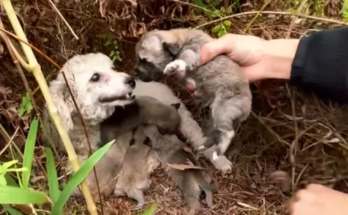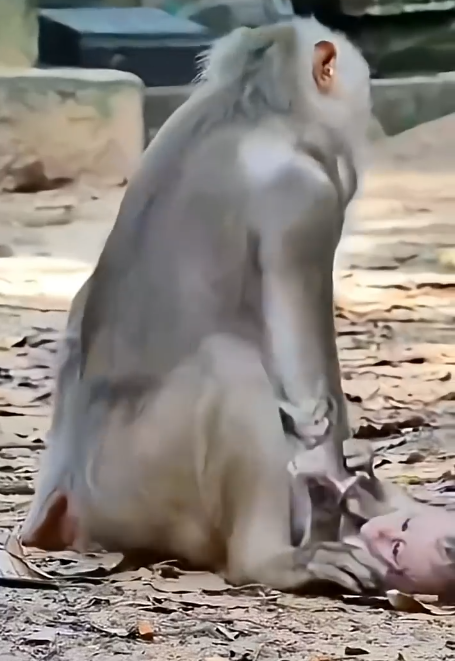
In the wild, life for a baby monkey is full of surprises, challenges, and constant learning. Monkeys are highly intelligent, social creatures, and their early experiences shape their development, behavior, and survival skills. Sometimes, these experiences are playful or educational, but other times they catch a young monkey completely off guard. The moment when a baby monkey is unexpectedly startled, surprised, or confronted by something new can be both dramatic and fascinating to observe. These experiences offer unique insight into primate behavior, emotional development, and the fragile balance of life in the wild.
The Vulnerability of Baby Monkeys
Baby monkeys are the most vulnerable members of their troop. From birth, they depend on their mothers and other caregivers for warmth, nutrition, and protection. Their small size, inexperience, and curiosity make them highly susceptible to unexpected events. A sudden movement, an unfamiliar sound, or the approach of a larger troop member can catch a baby monkey off guard, prompting an instinctive reaction.
Being caught off guard is part of the learning process. Every surprising encounter teaches a baby monkey to recognize threats, respond to danger, and navigate social interactions. While humans may see these moments as entertaining or cute, they are crucial for survival in the wild.
Common Situations That Catch Baby Monkeys Off Guard
Several scenarios can leave a baby monkey startled:
1. Interactions with Adults
Even within a troop, adult monkeys can inadvertently surprise infants. A mother shifting positions, a dominant male approaching, or a playful older sibling can cause a baby monkey to react with alarm. These interactions teach the young primate how to read social cues, understand hierarchy, and protect itself.
2. Environmental Surprises
Monkeys live in dynamic environments where weather, predators, and sudden changes in surroundings are common. A gust of wind, falling fruit, or rustling leaves can startle a baby monkey. Such experiences sharpen their reflexes, alertness, and problem-solving abilities, ensuring that the infant learns to respond quickly to real threats.
3. Encounters with Other Species
In areas where multiple species coexist, a baby monkey may be caught off guard by birds, reptiles, or other mammals. The sudden presence of another animal triggers curiosity, caution, or fear. These encounters are educational, teaching the baby to assess risk, react appropriately, and adapt to its ecosystem.
4. Human Presence
Humans can unintentionally startle baby monkeys, whether in wildlife sanctuaries, zoos, or natural habitats. The unfamiliar sights, sounds, or movements of humans can provoke surprise, confusion, or curiosity. Responsible observers maintain a safe distance, understanding that these moments are part of the monkey’s natural learning process.
The Baby Monkey’s Reactions
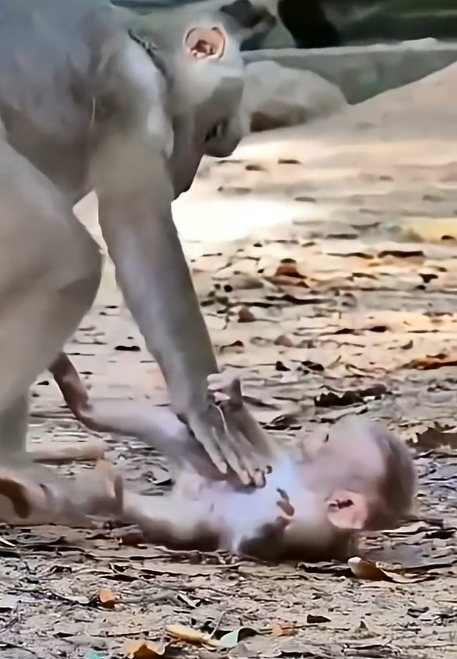
When caught off guard, a baby monkey exhibits a range of reactions, each reflecting its instincts, personality, and social context:
- Startled Jumps or Hops: Infants often leap or cling tighter to their mothers when surprised. This movement is both a defense mechanism and a way to seek comfort.
- Vocalizations: Sudden squeaks, cries, or shrill calls alert the mother, troop members, or peers that the baby is experiencing a startling event.
- Facial Expressions: Wide eyes, open mouths, or scrunched faces are common indicators of surprise or fear. These expressions communicate the baby’s emotions to others in the troop.
- Clinging Behavior: The instinct to hold onto the mother, grandmother, or siblings is heightened when a baby is startled. Physical contact provides security and reassurance.
These responses may seem dramatic or playful to human observers, but each is rooted in the baby monkey’s instinct to survive and learn.
Learning Through Surprise
Being caught off guard is more than just a moment of fear or confusion—it is a critical learning experience. Baby monkeys gain valuable skills from these incidents:
- Awareness and Alertness: Surprising events teach the infant to be vigilant, observe surroundings, and anticipate potential threats.
- Problem-Solving: When startled, the baby must decide quickly how to react—whether to hide, flee, or vocalize. These decisions build cognitive and emotional skills.
- Social Communication: Babies learn how to convey distress to their mother or troop, reinforcing social bonds and teaching others to respond.
- Adaptation and Resilience: Repeated exposure to unexpected events strengthens resilience, helping the infant remain calm and composed in future challenges.
Every startled moment contributes to the baby monkey’s growth, preparing it for the complexities of life in the wild.
The Role of Mothers and Caregivers
Mothers, grandmothers, and older troop members play a vital role when a baby monkey is caught off guard. Their reactions provide safety, guidance, and emotional support:
- Comforting the Baby: Physical contact, grooming, or gentle holding reassures the infant, helping it recover from the sudden scare.
- Teaching Caution: Through vocal cues or subtle gestures, adults guide the baby in understanding what is safe and what is a potential threat.
- Modeling Behavior: By calmly navigating surprising events themselves, adults demonstrate how to respond to the unexpected, providing a model for learning.
These interactions illustrate the importance of social bonds in primate societies. Emotional and physical guidance from caregivers ensures that infants develop confidence, security, and survival skills.
Emotional Development in Baby Monkeys
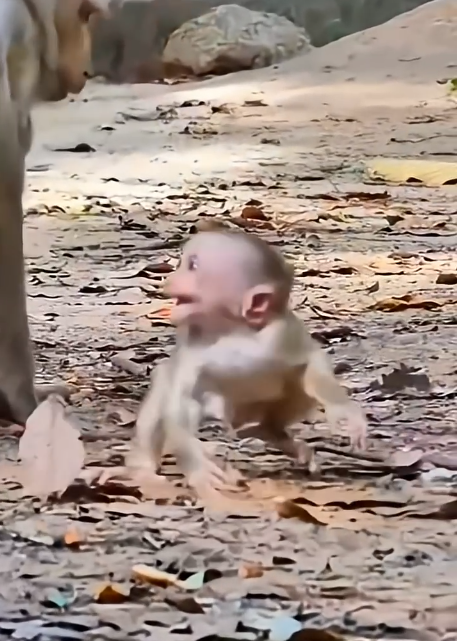
Being caught off guard also contributes to emotional growth. The baby learns to manage fear, frustration, and curiosity. Over time, repeated experiences allow the infant to regulate its emotions, respond more effectively to surprises, and develop confidence.
In some cases, babies may even exhibit playful responses, turning the experience into a game or learning opportunity. These playful reactions build social skills, strengthen bonds with peers, and encourage exploration—key components of healthy development.
Human Observers and Wildlife Education
For humans, watching a baby monkey caught off guard can be both entertaining and educational. These moments provide insight into primate behavior, communication, and emotional development. Wildlife enthusiasts, researchers, and conservationists can study these interactions to better understand infant development, troop dynamics, and survival strategies.
Videos or photos of startled baby monkeys often resonate with viewers because they are relatable. Humans recognize the emotions displayed—fear, surprise, curiosity—and empathize with the infant’s experience. These observations can foster greater appreciation for wildlife and encourage conservation efforts.
Conservation Implications
Protecting baby monkeys and their habitats is critical, as their survival depends on safety, social bonds, and environmental stability. Disturbances caused by human activity, habitat loss, or poaching can increase the frequency and intensity of startling events, creating stress and potentially affecting development.
Conservation efforts focus on preserving natural habitats, minimizing human interference, and educating communities about responsible wildlife interactions. By ensuring that baby monkeys can grow up in safe, stable environments, these programs help maintain the health and resilience of entire troops.
Conclusion: Lessons from Being Caught Off Guard
The moment when a baby monkey is caught off guard offers a vivid glimpse into the complexities of primate life. Startled reactions, emotional responses, and instinctive behaviors reveal the intelligence, adaptability, and resilience of young monkeys. These experiences are crucial for survival, teaching alertness, problem-solving, social communication, and emotional regulation.
Caregivers, including mothers and grandmothers, provide essential guidance, comfort, and modeling behavior, ensuring that infants can navigate surprises safely. Observing these interactions offers valuable lessons for humans about patience, empathy, and the importance of nurturing relationships.
In the wild, being caught off guard is not just a moment of fear—it is an opportunity for growth. It challenges baby monkeys to adapt, learn, and strengthen bonds within their troop. And for human observers, these moments inspire wonder, compassion, and a deeper appreciation for the intelligence and emotional depth of our primate cousins.
The next time a baby monkey jumps, squeaks, or clings tightly in surprise, we are witnessing more than just a cute reaction—we are seeing the first s