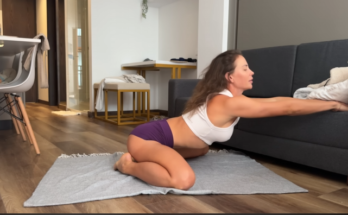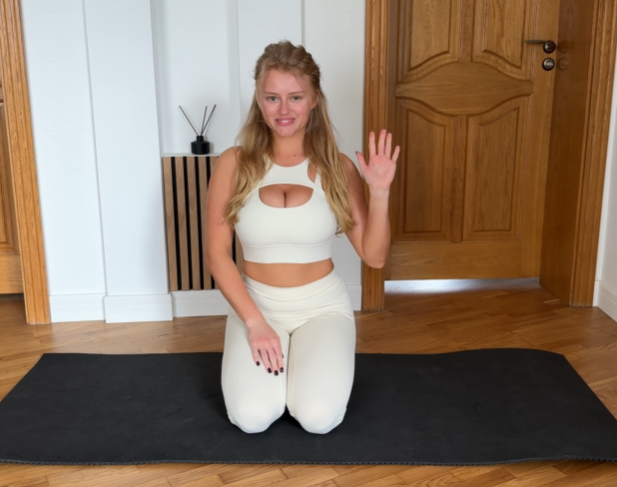
In modern life, the body is often asked to do the same movements again and again—sitting at desks, standing for long hours, looking down at screens, or carrying stress in familiar places like the shoulders and hips. Over time, this repetition can create stiffness, limited range of motion, and a sense of disconnection from the body. A Total Body Mobility Flow designed to stretch and restore offers a gentle yet effective way to bring freedom back into movement while calming the nervous system and supporting overall well-being.
Total body mobility is not about pushing into extreme flexibility or performing advanced poses. Instead, it focuses on moving each joint through its natural range of motion with awareness and control. When practiced as a flowing sequence, mobility work becomes meditative, helping the body feel lighter, more coordinated, and more at ease. Stretch and restore practices are especially valuable when the body feels tired, tight, or overwhelmed.
The key to a successful mobility flow is intention. This practice is about exploration rather than achievement. By moving slowly and mindfully, you allow the body to communicate its needs. Some areas may feel open and fluid, while others may feel resistant or tender. Both sensations are valuable information. The goal is not to force change, but to invite it through patience and breath.
Begin your Total Body Mobility Flow by grounding yourself. Stand or sit comfortably and take a few deep breaths, inhaling through the nose and exhaling slowly through the mouth. Feel the weight of your body supported by the ground beneath you. This grounding moment sets the tone for a restorative practice, signaling to the nervous system that it is safe to relax and explore movement.
Start with gentle neck mobility. Slow head tilts, turns, and circles help release tension and improve awareness of the cervical spine. Move within a pain-free range, keeping the jaw relaxed and the breath smooth. The neck is often a silent carrier of stress, and even small, mindful movements can create a noticeable sense of relief.
From there, move into the shoulders and upper back. Arm circles, shoulder rolls, and gentle spinal waves help restore mobility in areas that commonly become tight from daily activities. As you move, imagine creating space within the joints rather than stretching the muscles aggressively. The breath acts as a guide—inhale to expand, exhale to soften.
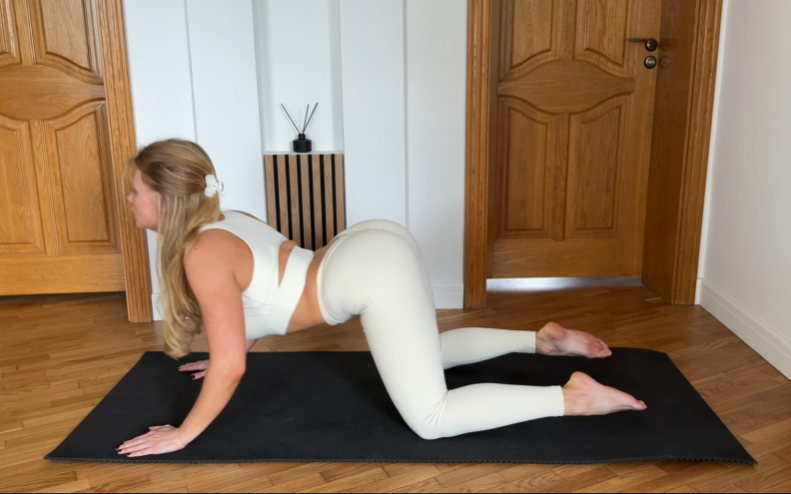
Spinal mobility is a central element of any total body flow. The spine is designed to move in multiple directions, yet it often becomes stiff due to inactivity or poor posture. Gentle movements such as cat-cow, standing spinal flexion and extension, and slow rotations help rehydrate the spinal discs and improve overall movement quality. These motions also stimulate the nervous system in a balanced way, promoting both alertness and relaxation.
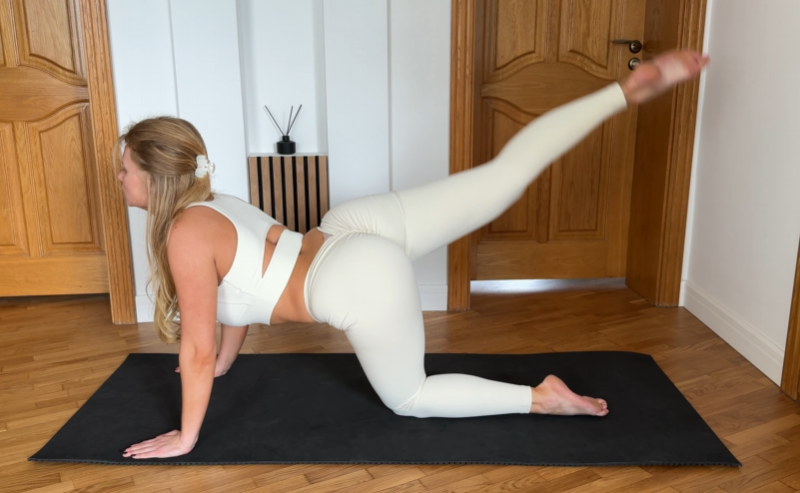
As the flow continues, bring attention to the hips, one of the body’s most complex and important joints. Hip circles, lunges, and seated hip openers help restore freedom of movement and release stored tension. The hips often hold emotional as well as physical stress, making gentle mobility work here particularly restorative. Use support when needed, and allow yourself to move slowly and intuitively.
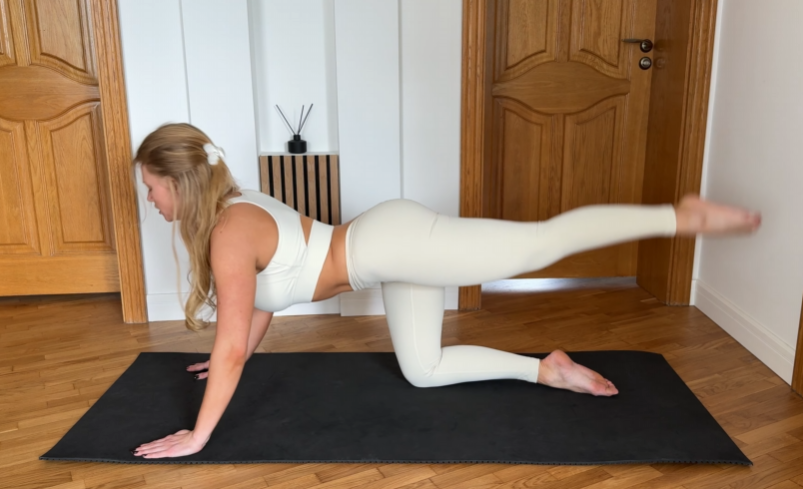
Knee and ankle mobility are often overlooked, yet they play a crucial role in overall movement and balance. Simple knee bends, gentle leg swings, and ankle circles help maintain joint health and improve circulation. These movements may feel subtle, but they contribute significantly to how the entire body moves and feels.
Throughout the Total Body Mobility Flow, transitions are just as important as the poses themselves. Moving smoothly from one position to another encourages coordination and body awareness. Rather than stopping and starting abruptly, aim for continuous, flowing movement that feels almost like a dance. This fluidity helps integrate the benefits of each stretch and mobilization.
Restorative elements are woven into the flow to allow the body time to absorb the work. Forward folds, gentle twists, and supported poses offer moments of pause and reflection. These positions calm the nervous system and encourage deep release. They remind the body that rest is not separate from movement, but an essential part of restoration.
Breath is the foundation of a stretch and restore practice. Slow, steady breathing supports mobility by reducing muscle guarding and enhancing relaxation. Try to maintain a smooth, even breath throughout the flow, avoiding breath-holding or forceful inhalations. Each breath becomes a bridge between movement and stillness.
As the practice begins to wind down, transition to floor-based movements that feel grounding and soothing. Reclined stretches, spinal twists on the back, and gentle hip releases allow the body to fully relax into the support of the floor. These final movements help integrate the effects of the mobility work, leaving the body feeling balanced and whole.
End your Total Body Mobility Flow with a period of complete rest. Lie down comfortably, arms and legs relaxed, eyes closed. Notice the sensations in your body—the warmth, the openness, the sense of ease. This final rest is where restoration truly occurs, allowing the nervous system to reset and the body to absorb the benefits of the practice.
Practiced regularly, a Total Body Mobility Flow can improve posture, reduce chronic stiffness, enhance athletic performance, and support emotional well-being. It helps maintain joint health, prevent injury, and cultivate a deeper connection between body and mind. Most importantly, it teaches you to move with awareness, respect, and kindness.
Stretch and restore practices remind us that the body thrives on balance. Effort and ease, movement and rest, strength and softness all have a place. By dedicating time to total body mobility, you create space for healing, resilience, and freedom—both on and off the mat.