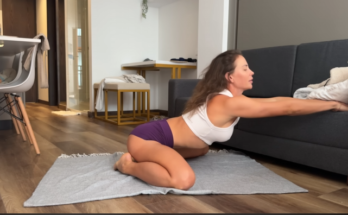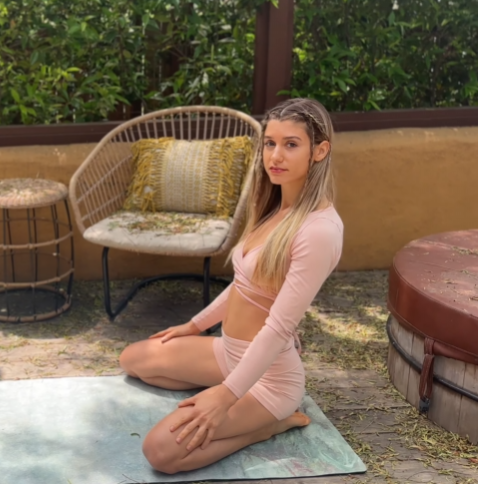
The afternoon is a unique space in the rhythm of the day. Morning energy has often faded, yet evening rest still feels far away. It is during this in-between time that the body and mind can begin to feel heavy, tight, or unfocused. Gentle afternoon stretching offers a simple and effective way to reset, restore balance, and bring fresh awareness back into the body without demanding too much effort or intensity.
Unlike vigorous workouts or energizing morning routines, gentle afternoon stretching is about ease and nourishment. It is not meant to exhaust you, but to support you—helping release stiffness built up from hours of sitting, standing, or repetitive movement. At the same time, it calms mental fatigue and refreshes concentration, making it easier to move through the rest of the day with clarity and comfort.
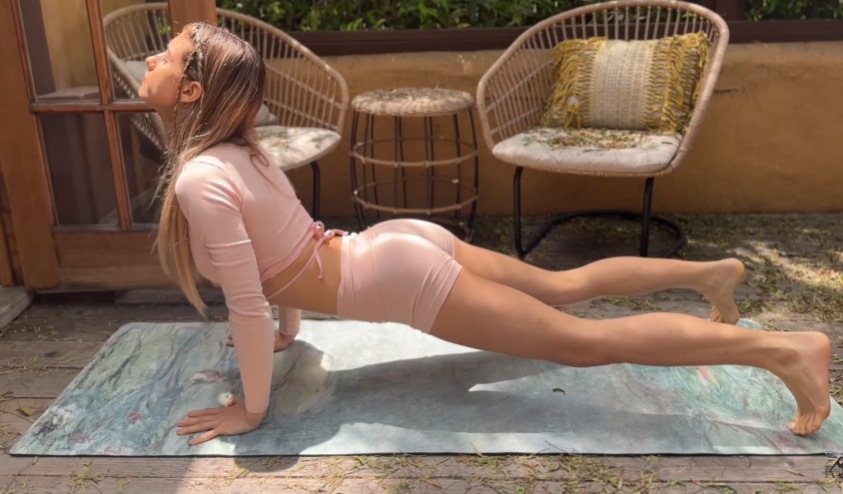
The environment you choose for your afternoon stretching can greatly enhance the experience. A quiet room with natural light, a soft mat or rug, and comfortable clothing are often all you need. If possible, open a window to let in fresh air or stretch outdoors where you can feel the ground beneath your feet. The goal is to create a space that feels safe, calm, and free of pressure.
Begin your gentle afternoon stretching practice by slowing down. Stand or sit comfortably and take a few deep breaths. Inhale through the nose, feeling the chest and belly expand, then exhale slowly through the mouth. Let the breath signal to your nervous system that it is time to soften. As your breathing becomes steady, notice where your body feels tight or tired. This awareness will guide your movements.
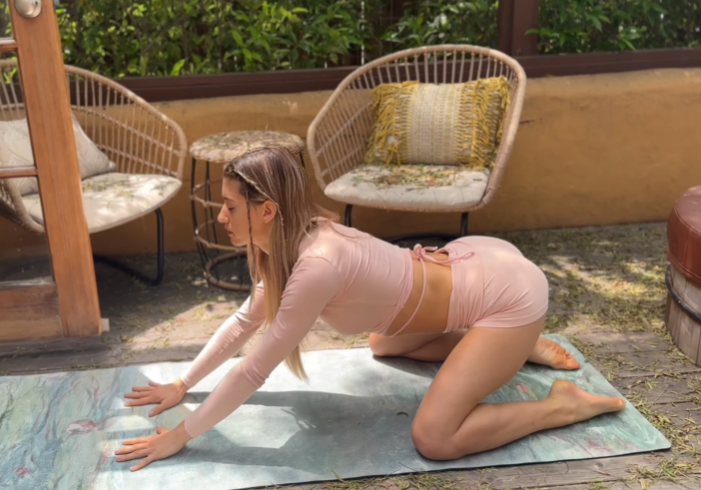
Start with simple neck and shoulder stretches, as these areas often hold the most tension during the day. Gently tilt your head from side to side, keeping the movements slow and smooth. Roll the shoulders forward and backward, coordinating each motion with your breath. These small gestures can bring surprising relief and set a relaxed tone for the rest of your practice.
Next, bring attention to the spine. Gentle spinal movements help improve circulation, relieve stiffness, and restore natural mobility. Standing or seated side bends lengthen the muscles along the torso, while slow twists ease tension in the back and waist. Move within a comfortable range, avoiding any force. Let your breath guide the depth of each stretch, reminding you to stay present and patient.
Forward folds are a cornerstone of gentle afternoon stretching. They encourage relaxation and introspection while stretching the back of the body. With knees slightly bent, hinge forward from the hips and allow the upper body to hang naturally. There is no need to touch the floor—simply let gravity assist the stretch. This posture helps release tension from the lower back, neck, and shoulders, offering a sense of relief and grounding.
The hips deserve special attention during afternoon stretching, especially after long periods of sitting. Gentle hip openers such as a seated figure-four stretch, butterfly pose, or a supported lunge can help ease tightness and improve comfort. Use cushions, blocks, or folded blankets for support, ensuring that each stretch feels nurturing rather than demanding.
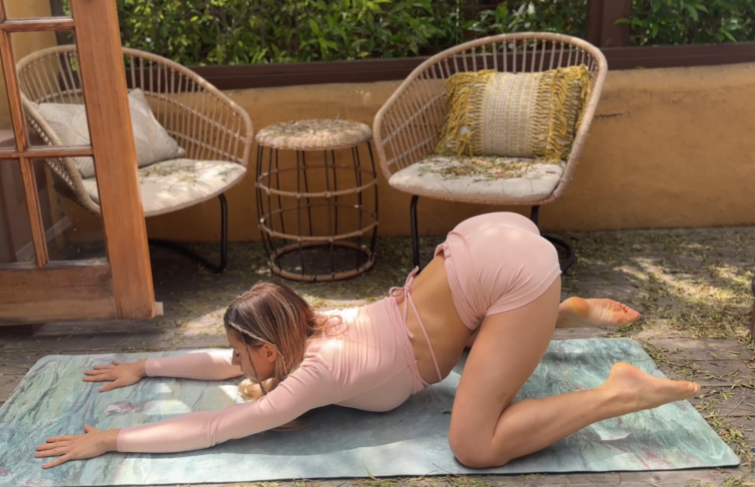
Stretching the legs helps restore circulation and reduce fatigue. Simple hamstring stretches, calf stretches, and gentle quad stretches can be done standing or seated. Move slowly, breathing deeply, and stop before any discomfort arises. These stretches help awaken tired legs while maintaining the calm, gentle quality of the practice.
As you continue, transition toward floor-based stretches that allow the body to relax more fully. Reclined poses such as hugging the knees to the chest or gentle spinal twists on the back help soothe the lower back and hips. These positions encourage the body to release its weight into the floor, creating a sense of safety and surrender.
Throughout your gentle afternoon stretching, maintain a steady, relaxed breath. The breath is not something to control forcefully, but rather something to observe and allow. Each inhale creates space; each exhale invites release. If the mind begins to wander, gently bring your attention back to the sensations in your body and the rhythm of your breath.
Gentle afternoon stretching also offers a valuable mental reset. As you move slowly and mindfully, stress and mental clutter begin to soften. This practice provides a pause from screens, responsibilities, and constant stimulation. It reminds you that productivity does not always mean doing more—sometimes it means doing less, with greater awareness.
To conclude your practice, allow yourself a few minutes of stillness. Lie down or sit comfortably, closing your eyes if it feels safe to do so. Notice how your body feels compared to when you began—perhaps lighter, warmer, or more open. Acknowledge the effort you made to care for yourself, no matter how brief the practice may have been.
Gentle afternoon stretching does not require a long time or special skill. Even ten or fifteen minutes can make a meaningful difference. Practiced regularly, it can improve posture, reduce chronic tension, enhance flexibility, and support emotional balance. Over time, it becomes a trusted ritual—a quiet moment of connection with yourself in the middle of a busy day.
In a world that often values speed and constant activity, gentle afternoon stretching is a reminder to slow down and listen. It teaches you to move with kindness, breathe with intention, and respect your body’s natural rhythms. When you return to your tasks after stretching, you carry with you a sense of ease and presence—proof that even small acts of self-care can create lasting calm.