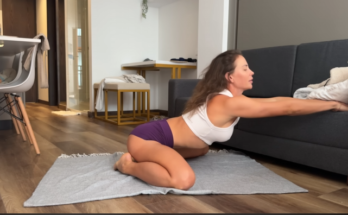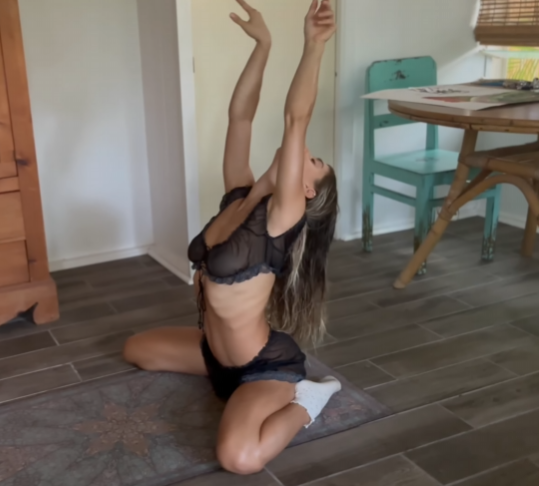
As the day slowly fades into evening, our bodies and minds carry the echoes of everything we have experienced—work pressures, emotional conversations, physical tension, and constant stimulation from screens and noise. An evening yoga practice offers a gentle and powerful way to transition from the outer demands of the day into a state of inner calm. Unlike dynamic morning routines designed to energize and awaken, evening yoga is about softening, releasing, and preparing yourself for rest, recovery, and deep sleep.
Evening yoga is not about performance or flexibility. It is about listening. After a long day, your body speaks clearly if you give it the chance. Tight shoulders, a stiff lower back, tired legs, or a restless mind are signals asking for care. Through slow movements, mindful breathing, and intentional stillness, evening yoga creates space for those signals to be acknowledged and soothed rather than ignored.
One of the greatest benefits of an evening yoga practice is its ability to calm the nervous system. Throughout the day, many of us live in a constant state of “doing,” driven by deadlines and responsibilities. This keeps the body in a sympathetic, or fight-or-flight, state. Evening yoga gently shifts the body into the parasympathetic mode—often called “rest and digest.” As the breath deepens and movements slow, heart rate decreases, stress hormones begin to lower, and the mind gradually settles.
Creating the right atmosphere for your evening practice is just as important as the poses themselves. Choose a quiet space where you feel safe and undisturbed. Dim the lights or light a candle to signal to your brain that it is time to wind down. You may enjoy soft music, nature sounds, or complete silence. Wearing comfortable clothing and practicing barefoot can also help you feel more grounded and connected to your body.
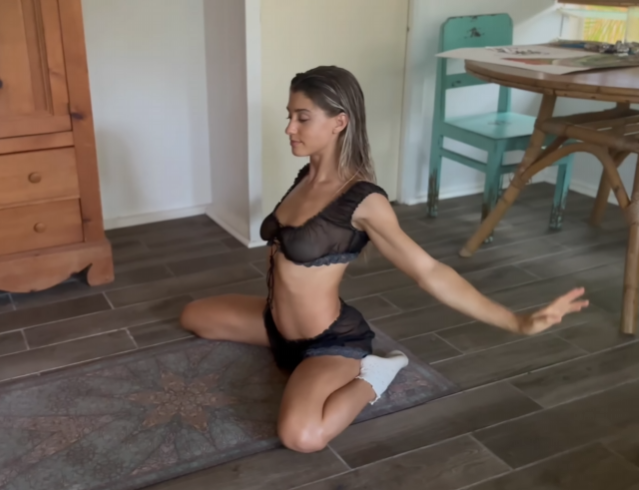
Begin your evening yoga practice by arriving fully in the present moment. Sit or lie down comfortably and close your eyes. Take a few slow, deep breaths through the nose, allowing the belly to rise on the inhale and soften on the exhale. With each breath out, imagine releasing the weight of the day. Let go of what you cannot change right now. This simple breathing ritual marks the transition from your busy day into a more peaceful inner space.
Gentle warm-up movements help release surface tension without overstimulating the body. Slow neck rolls, shoulder shrugs, and easy spinal movements such as seated cat and cow can feel incredibly nourishing in the evening. These subtle motions encourage circulation while signaling safety and ease to the nervous system. There is no rush—move as slowly as you like, synchronizing every movement with your breath.
As the body becomes more receptive, you can move into calming standing or seated postures. Forward folds, for example, are especially soothing in the evening. Poses like Standing Forward Fold or Seated Forward Bend gently stretch the back body while encouraging introspection and quiet. Keep the knees slightly bent and allow the head to hang heavy, releasing tension from the neck and jaw.
Hip-opening poses are another essential element of evening yoga. The hips are a common storage place for emotional stress and physical tightness. Gentle poses such as Butterfly Pose, Figure Four, or a reclined hip stretch allow these deep areas to soften. In the evening, it is best to approach hip openers slowly and mindfully, supporting the body with cushions or blocks if needed. Comfort is more important than depth.

Twisting poses performed gently can help detoxify the body and relieve spinal tension built up throughout the day. Seated spinal twists or a reclined twist on the back are ideal for evening practice. These twists massage the internal organs, improve digestion, and create a sense of wringing out both physical and mental stress. Always twist with ease, letting the breath guide the movement rather than forcing the body.
As your practice continues, transitioning to the floor can deepen relaxation. Poses such as Child’s Pose, Legs Up the Wall, or Supine Bound Angle are deeply restorative and grounding. These postures allow the body to fully surrender to gravity while promoting circulation and calm. Staying in each pose for several minutes gives the nervous system time to absorb the benefits.
Breathwork plays a central role in evening yoga. Slow, rhythmic breathing techniques such as extended exhales or gentle nasal breathing help quiet the mind and prepare the body for sleep. One simple method is to inhale for a count of four and exhale for a count of six, emphasizing the lengthened exhale. This signals the brain that it is safe to relax and let go.

The final relaxation, or Savasana, is the heart of an evening yoga practice. Lie down comfortably, covering yourself with a blanket if needed. Allow your arms and legs to rest naturally, palms facing upward in a gesture of openness and release. As you rest, perform a gentle body scan, noticing and relaxing each part of the body from head to toe. This is not a time to think or plan—only to rest and receive.
Even a short evening yoga practice can transform the quality of your night. Regular practice helps improve sleep, reduce anxiety, and promote overall emotional balance. Over time, you may notice that you fall asleep more easily, wake up feeling more refreshed, and carry a deeper sense of calm into your daily life.
Evening yoga is a gift you give yourself—a quiet pause in a noisy world. It reminds you that rest is not a luxury, but a necessity. By honoring your body and mind at the end of each day, you cultivate compassion, presence, and inner peace. No matter how busy or challenging your day has been, your mat is always there, inviting you to slow down, breathe deeply, and come home to yourself.