From the smallest hummingbird to the largest elephant, the bond between a mother and her offspring is one of the most profound and universal forces in the animal kingdom. This connection is not only essential for survival but also serves as a powerful symbol of care, nurturing, and love that transcends species boundaries. Observing mother and baby animals in the wild, in sanctuaries, or even through media provides humans with a glimpse into the remarkable ways that nature fosters connection, teaching lessons about compassion, empathy, and emotional resilience.
The Foundation of Life: Maternal Care in Animals
Maternal care begins at birth—or sometimes even before birth—and is crucial for the survival of the young. Unlike plants or less socially complex organisms, most animals depend heavily on their mothers for nourishment, protection, and guidance. In mammals, for example, a mother’s milk provides the essential nutrients and antibodies necessary for early growth. Birds keep their chicks warm and safe in nests, while reptiles may guard their eggs until hatching.
This early period of care is not merely functional. The mother’s presence communicates safety and security, teaching the young to trust and adapt to their surroundings. The bond that forms during this critical period is often lifelong, shaping social behavior, survival skills, and emotional development.
Examples Across Species
One of the most striking aspects of maternal care is its universality. Across species, the bond between mother and baby demonstrates similar principles of nurturing, protection, and teaching, even if the methods vary.
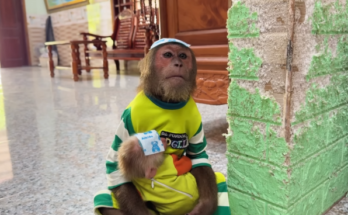
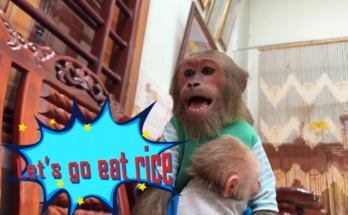
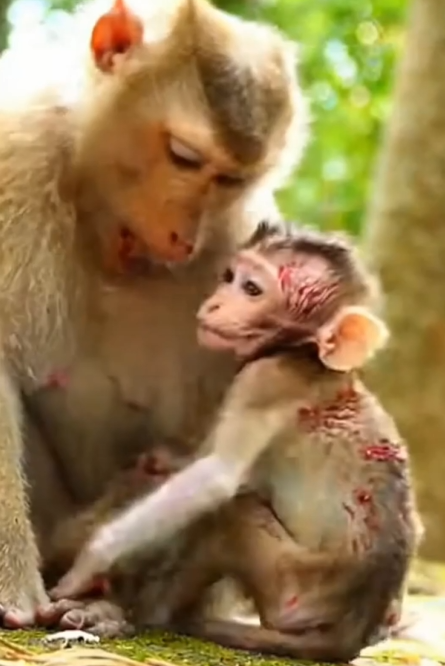
- Primates: Monkeys and apes show some of the most emotionally complex maternal behaviors. Mothers carry their babies on their backs or bellies, groom them, teach them foraging skills, and even protect them from other troop members or predators. For example, a macaque mother will patiently guide her infant through the treetops, teaching climbing techniques while keeping the baby safe from falls or aggressive adults.
- Elephants: Elephant calves rely entirely on their mothers and other matriarchal herd members during the first years of life. The herd collectively protects the young, teaching them essential survival behaviors like finding water, recognizing predators, and understanding social hierarchy. The deep emotional connection is evident in behaviors such as gentle trunk touches, vocal reassurances, and mourning when a calf is threatened or lost.
- Birds: Avian species exhibit care in a different form. Many mother birds spend hours incubating eggs, feeding hatchlings regurgitated food, and teaching them to fly. This nurturing ensures that even small, seemingly fragile creatures have the guidance necessary to survive in a world full of challenges.
- Marine Mammals: Dolphins and whales form profound bonds with their calves. A mother dolphin will keep her newborn close, swimming alongside it, protecting it from predators, and teaching it to navigate complex underwater environments. The social and emotional intelligence involved in these interactions highlights the universality of maternal care across habitats and species.
The Emotional Depth of Maternal Care
Maternal care is not solely about physical survival—it also involves emotional connection. Many animals display behaviors that suggest empathy, concern, and affection. In primates, mothers respond to the distress of their infants with vocalizations, gentle touches, and protective positioning. In elephants, mothers will comfort calves with trunk touches and nudges, and even attempt to soothe distressed herd members.
This emotional depth is significant because it demonstrates that care in the animal kingdom is not purely instinctual. There is a conscious element of awareness and responsiveness to the needs of the young. Watching these behaviors reminds humans of the importance of empathy and emotional connection, not just for survival, but for thriving in social and familial environments.
Protection: A Cornerstone of Maternal Care
One of the most visible aspects of maternal care is protection. The animal world is full of threats—from predators to environmental hazards to rival members of the same species. Mothers instinctively place themselves between their young and danger, often risking their own safety to ensure their offspring survive.
In the wild, lionesses will fiercely defend their cubs from predators like hyenas. Macaque mothers will scold or chase away aggressive adults to protect their infants. Even smaller species, such as rabbits or squirrels, will invest energy and vigilance in guarding their nests or burrows. These protective behaviors are not only functional but symbolic—they represent the deep commitment and care that mothers have for their young.
Teaching and Guidance
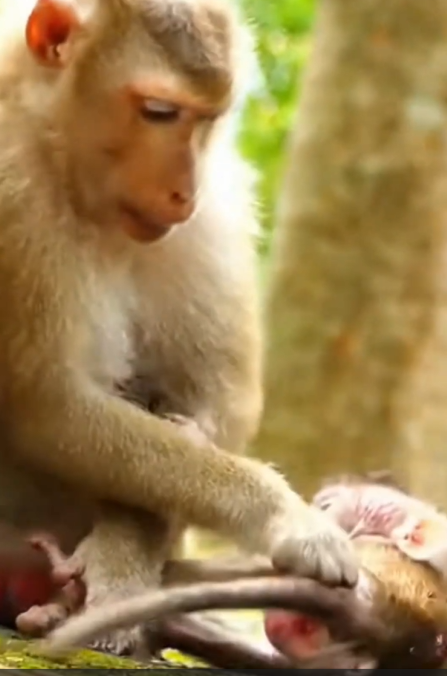
Beyond physical care and protection, maternal care involves teaching. Young animals must learn how to survive, and mothers play a crucial role in this education. Teaching can take many forms, from demonstrating hunting techniques to guiding the young through complex social interactions.
For example, a mother chimpanzee will show her infant how to use sticks to extract termites from mounds, a skill that requires patience, observation, and dexterity. In birds, mothers teach chicks to recognize predators and identify safe feeding areas. In marine mammals, calves learn communication, navigation, and social norms from their mothers.
Teaching is an essential component of care because it equips the young with the tools they need to become independent. It also strengthens the emotional bond, as learning often occurs through repeated close interactions that involve touch, vocalization, and observation.
Play and Social Development
Play is another critical aspect of the mother-infant bond. While it may seem like simple fun, play helps young animals develop essential skills, including coordination, problem-solving, and social interaction. Mothers often facilitate or participate in play, encouraging exploration and learning in a safe environment.
For example, a mother monkey may gently wrestle with her infant or allow it to explore a new tree branch under her watchful eye. A mother seal may nudge her pup to practice swimming skills. These playful interactions are emotionally rich, reinforcing attachment while promoting growth and resilience.
Universal Symbolism for Humans
The sight of mother and baby animals resonates deeply with humans. Across cultures, maternal care is celebrated as a symbol of love, protection, and nurturing. Observing these behaviors in animals evokes similar emotions—tenderness, awe, and a sense of connection.
Humans naturally respond to nurturing behaviors with increased empathy and emotional engagement. Watching a mother deer care for her fawn, a panda cradle her cub, or a dolphin guide her calf through the waves can produce physiological benefits, including lower stress, reduced heart rate, and a feeling of emotional calm. In this sense, mother and baby animals are not only symbols of care within their species—they serve as universal reminders of the importance of compassion and connection across all life.
Cross-Species Lessons
Observing maternal care in animals can teach humans valuable lessons about patience, empathy, and dedication. The consistency with which mothers protect, feed, teach, and comfort their young underscores the importance of attention, presence, and support in nurturing relationships.
For example, watching a mother elephant ensure her calf is not left behind during migration teaches lessons about vigilance and long-term care. Observing a mother cat gently guide her kittens away from danger emphasizes the importance of guidance and supervision. Even small gestures, such as a mother bird arranging her chicks for warmth, remind us that care often manifests in both grand and subtle ways.
Stress Relief and Emotional Connection
Beyond lessons, watching maternal care provides humans with relaxation and emotional benefits. The predictable patterns of nurturing—feeding, grooming, protective positioning, and play—create a visual and emotional rhythm that is inherently calming. Scientific studies show that observing animals can reduce cortisol levels, lower blood pressure, and promote mindfulness.
Mother and baby interactions are particularly effective because they tap into universal instincts. Humans are hardwired to respond positively to nurturing behaviors, making these interactions powerful tools for emotional regulation and stress relief. Watching a mother panda rocking her cub, a monkey grooming her infant, or a sea lion nuzzling her pup can be meditative, grounding observers in the present moment.
Challenges in Maternal Care
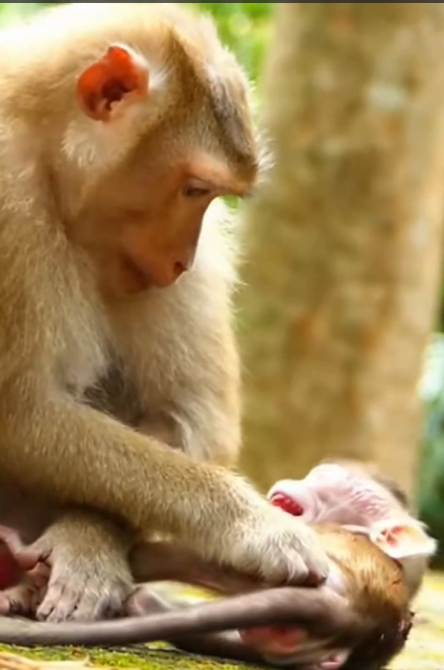
Despite the beauty of maternal care, it is not without challenges. Food scarcity, predation, environmental hazards, and social pressures can place significant stress on mothers and their young. Yet, the perseverance and adaptability displayed in overcoming these obstacles highlight the resilience inherent in caregiving.
For example, a mother polar bear must hunt in harsh conditions to feed her cubs, balancing her own survival with the needs of her young. A mother orangutan navigates dense rainforest terrain, teaching her infant to find fruit and avoid predators. These challenges demonstrate that maternal care is both demanding and deeply meaningful—a combination of survival, emotional investment, and dedication.
Human Inspiration
Mother and baby animals inspire humans to reflect on our own caregiving behaviors. Their unwavering dedication, patience, and empathy remind us of the universal importance of nurturing relationships. Observing these bonds can motivate us to be more attentive, compassionate, and present in our roles as parents, mentors, and caregivers.
Furthermore, maternal care in animals encourages a greater appreciation for wildlife conservation. Protecting habitats, ensuring species survival, and fostering human-animal connections all benefit from understanding and valuing the bond between mothers and their young.
Conclusion
Mother and baby animals exemplify care in its most universal form. Across species, habitats, and challenges, maternal behaviors—feeding, protecting, teaching, grooming, and playing—demonstrate the power of nurturing. These interactions are not only essential for the survival and growth of the young but also serve as powerful symbols of empathy, love, and emotional connection.
Observing these bonds provides humans with both emotional and physiological benefits. It reminds us of the universality of care, the importance of presence and guidance, and the beauty of nurturing relationships. Mother and baby animals, in their tender interactions, offer lessons about resilience, patience, and compassion that extend far beyond the animal kingdom.
Whether it is a mother elephant comforting her calf, a monkey guiding her infant through the treetops, or a bird feeding her hatchlings, these moments are profound symbols of care that resonate universally. They inspire us, calm us, and remind us that nurturing, in all its forms, is a fundamental and beautiful force in life.
Indeed, mother and baby animals are more than just a charming sight—they are a living testament to the enduring power of love, connection, and care, reminding humans that compassion is universal, transcending species and touching the heart of all who witness it.