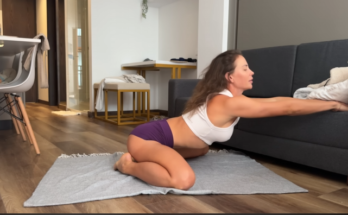
Flexibility is often seen as a personal journey—one mat, one body, one breath at a time. But when two people come together with trust, patience, and shared intention, flexibility becomes something deeper: a conversation between bodies, a gentle dance of support and surrender. Beginners Flexibility Partner Stretching! is not about forcing the body into shapes; it is about discovering flow together. Inspired by the idea of melspirations – 2 souls, 1 flow ✨, this practice invites beginners into a safe, connected, and joyful way to stretch, relax, and grow—physically and emotionally.
The beauty of partner stretching for beginners
For beginners, flexibility can feel intimidating. Tight muscles, fear of injury, or self-consciousness often hold people back. Partner stretching changes this experience completely. With a partner, you are no longer stretching alone—you are supported, guided, and encouraged. A partner becomes both a mirror and a cushion, helping you understand your limits while reminding you to breathe and relax.
Partner stretching is not about competition or comparison. One person may be naturally flexible, while the other feels stiff and restricted—and that’s perfectly okay. In fact, these differences create balance. The more flexible partner learns patience and control; the tighter partner learns trust and confidence. Together, you create harmony.
Preparing the body and the mind

Before any stretch begins, preparation is key—especially for beginners. Find a calm, comfortable space where both partners feel relaxed. Soft lighting, gentle music, or even natural sounds can help set the mood. Sit facing each other, take a moment to smile, and breathe together. Inhale deeply through the nose, exhale slowly through the mouth. This shared breath is the first step toward one flow.
Communication is essential. Agree on simple signals like “stop,” “slow,” or “okay.” Partner stretching should never involve pain. Mild tension is normal, but sharp discomfort is not. When both partners feel heard and respected, the body relaxes more easily, allowing flexibility to increase naturally.
Seated forward stretch – learning trust
One of the simplest and most effective beginner partner stretches is the seated forward stretch. Sit facing each other with legs extended and feet touching. Hold each other’s wrists or forearms. As one partner gently leans back, the other leans forward, allowing the spine and hamstrings to lengthen.
This stretch teaches trust. The partner leaning forward must trust the other to guide them safely, while the partner leaning back must move slowly and attentively. Breathing together enhances the stretch—inhale to prepare, exhale as the stretch deepens. Switch roles after a few breaths, ensuring balance and fairness.
Back-to-back twist – releasing tension gently
Spinal twists are excellent for beginners, helping to release tension in the back and improve mobility. Sit back-to-back with legs crossed. As one partner twists gently to the right, the other twists to the left, allowing your backs to press lightly against each other. Use the contact for support, not force.
This stretch highlights the idea of shared balance. You may feel your partner’s breathing through your back, reminding you to stay calm and steady. After several breaths, switch directions. Twists like this are especially beneficial after long hours of sitting, making them perfect for beginners easing into flexibility practice.
Partner hamstring stretch – patience over pressure
Hamstrings are often tight, especially for beginners. A simple partner hamstring stretch can help without overwhelming the body. One partner lies on their back while the other gently lifts one leg, supporting it behind the calf or thigh. The key here is gentle assistance, not pushing.
The stretching partner should relax completely, allowing gravity and the partner’s support to do the work. The assisting partner must move slowly, watching for any signs of discomfort. This stretch builds patience—progress comes not from force, but from consistency and kindness.
Shoulder and chest opener – opening the heart
Flexibility is not just about muscles; it’s also about emotional openness. A partner shoulder and chest stretch helps release tension stored in the upper body while symbolically opening the heart. Stand back-to-back and interlace arms or hold hands behind you. Slowly step forward, allowing the chest and shoulders to open.
This stretch can feel surprisingly emotional. Many people carry stress and anxiety in their shoulders. Doing this stretch with a partner creates a sense of safety and connection, making it easier to let go. Breathe deeply and enjoy the openness, even if it feels unfamiliar at first.
The role of breath in “2 souls, 1 flow”

Breathing together is what transforms partner stretching into a shared flow. When two people inhale and exhale in rhythm, the nervous system calms, muscles soften, and trust deepens. Beginners often hold their breath during stretches without realizing it. A partner can gently remind: “Breathe.”
Try simple breathing exercises between stretches. Sit facing each other, place one hand on your own chest and one on your belly. Inhale slowly for four counts, exhale for six. Synchronize your breath with your partner. This simple practice enhances flexibility more than forcing deeper stretches ever could.
Emotional connection through movement
One of the most beautiful aspects of partner stretching is the emotional bond it creates. Whether partners are friends, siblings, couples, or parent and child, stretching together fosters empathy. You learn to read subtle signals—muscle tension, breath changes, body language. These skills extend beyond the mat into everyday life.
For beginners, this emotional safety is especially important. Feeling supported reduces fear, allowing the body to relax. Relaxation is the true foundation of flexibility. When the mind feels safe, the body follows.
Common mistakes beginners should avoid
While partner stretching is gentle and supportive, beginners should be aware of common mistakes. The biggest one is pushing too hard. Flexibility takes time, and forcing a stretch can lead to injury. Another mistake is poor communication—silence can be dangerous if discomfort isn’t expressed.
Uneven effort is also common. One partner may dominate the stretch, while the other becomes passive. True 2 souls, 1 flow means equal participation, even if roles differ. Both partners are responsible for safety, awareness, and respect.
Making partner stretching a habit
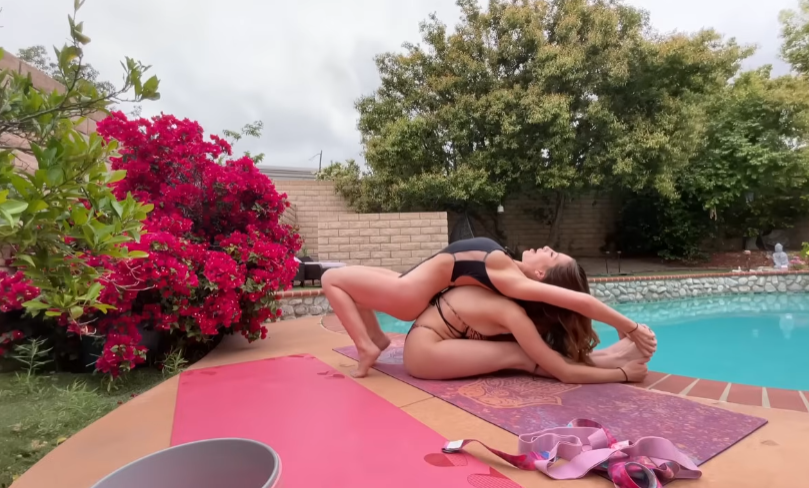
Consistency is more important than intensity. Beginners don’t need long sessions; even 10–15 minutes of partner stretching a few times a week can lead to noticeable improvements. Create a simple routine: warm up, stretch together, breathe, and finish with gratitude.
Ending the session with a moment of appreciation—thanking your partner for their support—strengthens both the practice and the relationship. Over time, these small rituals become something you both look forward to, not just for flexibility, but for connection.
Beyond the body – the deeper meaning of flow
“2 souls, 1 flow ✨” is more than a poetic phrase—it’s a reminder that movement can unite people. In a world that often feels rushed and disconnected, partner stretching invites us to slow down and tune in. Beginners learn that flexibility is not about achieving perfection, but about showing up with openness and care.
As bodies become more flexible, hearts often soften too. You may notice improved posture, reduced stress, better sleep, and a deeper sense of calm. These benefits ripple outward, affecting daily life in subtle yet powerful ways.
A gentle beginning with lasting impact
Beginners Flexibility Partner Stretching is an invitation—a gentle beginning rather than a demanding challenge. With patience, communication, and shared breath, two people can move as one, discovering strength in softness and progress in presence. Whether you are new to stretching or new to practicing together, this journey is about growth, trust, and flow.
In the end, flexibility is not just how far the body can stretch, but how open we are to connection. When two souls move with one intention, even the simplest stretch becomes meaningful. Let this practice remind you that you don’t have to bend alone—sometimes, the most beautiful progress happens together ✨
ChatGPT can make mistakes. Check im