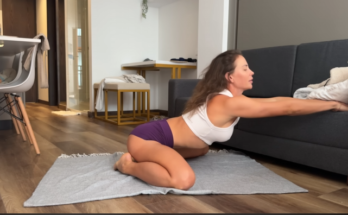
Morning arrives quietly, but your body often wakes up loud. Stiff shoulders, tight hips, an achy lower back, or heavy legs can make the start of the day feel harder than it should. Overnight, muscles cool and shorten, joints become less lubricated, and tension from yesterday lingers like an unfinished conversation. An 11-minute morning yoga practice can gently release that stiffness, wake up your muscles, and help you step into the day feeling lighter, calmer, and more balanced.
This short routine is designed for muscle relief, not intensity. You don’t need flexibility, special equipment, or a lot of space—just your breath, your body, and a willingness to move slowly. Think of this practice as a conversation with your muscles, asking them how they feel instead of forcing them to perform.
Set an intention before you begin. It could be as simple as “I want to feel easier in my body today.” That intention will guide every movement.
Minute 0–1: Gentle Awakening & Breath Awareness
Begin standing or seated at the edge of your mat or floor. Close your eyes if that feels comfortable. Place one hand on your chest and one on your belly.
Inhale slowly through your nose, feeling your ribs expand.
Exhale gently through your mouth, releasing any tension you notice.
Morning muscles often resist sudden movement, so breath comes first. With each inhale, imagine space entering your joints. With each exhale, imagine stiffness melting downward into the ground.
Roll your shoulders slowly back and down, then forward and up. Let the movement be small and smooth. Already, you are signaling safety to your nervous system.
Minute 1–2: Neck & Upper Spine Release
Neck tension is common after sleep, especially if you use a pillow that doesn’t fully support your posture.
Lower your chin toward your chest and take a slow breath.
Lift your head back to neutral.
Gently tilt your right ear toward your right shoulder—no pulling.
Return to center, then repeat on the left.
Now make slow half-circles, rolling from one shoulder to the other through the chest. Avoid dropping the head back too far. This movement lubricates the cervical spine and releases small muscles that often hold stress overnight.
Notice if one side feels tighter. Simply observe—no judgment.
Minute 2–3: Standing Forward Fold for Back & Hamstrings
Come to a standing position with feet hip-width apart. Inhale and lift your arms overhead, stretching upward like you’re waking from a long sleep.
Exhale and hinge at the hips, folding forward. Bend your knees generously. This is not about touching your toes—it’s about releasing your spine.
Let your head hang heavy.
Clasp opposite elbows and gently sway side to side.
This pose decompresses the spine, stretches the hamstrings, and relieves lower back tension. If your lower back feels sensitive, keep your knees bent and your belly resting lightly on your thighs.
Take two slow breaths here.
Minute 3–4: Half Lift & Spinal Lengthening
Place your hands on your shins or thighs. Inhale and lift your chest forward, creating a long, flat spine. Imagine your collarbones smiling.
Exhale and fold back down.
Repeat this half lift twice more, moving with your breath. This gentle flow builds awareness in your spinal muscles without strain. You are waking up your back, not forcing it awake.
Minute 4–5: Cat–Cow for Full Spine Relief
Lower down to hands and knees. Stack shoulders over wrists and hips over knees.
Inhale for Cow Pose:
Drop your belly
Lift your chest
Gaze slightly forward
Exhale for Cat Pose:
Round your spine
Press the floor away
Tuck your chin
Move slowly, matching breath to motion. This is one of the best movements for morning muscle relief, especially for the spine. Cat–Cow improves circulation, increases flexibility, and gently massages the organs.
If your wrists feel sensitive, make fists or lower onto forearms.
Minute 5–6: Thread the Needle for Shoulder & Upper Back Release
From hands and knees, slide your right arm under your chest, palm facing up. Lower your shoulder and ear toward the floor if comfortable.
This pose targets the upper back, shoulders, and neck—areas that often hold emotional and physical stress.
Breathe into the stretch.
Feel the muscles soften rather than stretch aggressively.
After a few breaths, switch sides.
Minute 6–7: Low Lunge for Hips & Thighs
Step your right foot forward between your hands into a low lunge. Lower your back knee to the floor.
Place your hands on your front thigh and gently sink your hips forward. Morning hip stiffness is common, especially if you sit a lot. This pose releases the hip flexors and quads, helping improve posture and reduce lower back strain.
Option to lift your arms overhead if that feels good.
Keep your chest upright and your breath steady.
Switch sides after several breaths.
Minute 7–8: Downward Facing Dog (Gentle Version)
From hands and knees, tuck your toes and lift your hips into Downward Facing Dog. Bend your knees generously and focus on lengthening your spine rather than straightening your legs.
Pedal your feet slowly, bending one knee at a time. This movement wakes up the calves, ankles, and hamstrings while relieving tension in the back.
Let your head relax between your arms.
Press your hands firmly into the floor to protect your shoulders.
This pose encourages blood flow throughout the body, signaling that the day has begun.
Minute 8–9: Child’s Pose for Deep Release
Lower your knees to the floor and sink your hips back toward your heels. Extend your arms forward or rest them alongside your body.
Rest your forehead on the mat or a block.
Breathe deeply into your back ribs.
Child’s Pose offers gentle compression to the hips and a soothing stretch to the spine. It also calms the nervous system, helping you transition from rest to activity without stress.
Minute 9–10: Seated Twist for Spinal Mobility
Come to a seated position with legs crossed or extended.
Inhale and lengthen your spine.
Exhale and twist gently to the right, placing one hand behind you for support.
Twists help release tension along the spine, improve digestion, and restore mobility after sleep. Keep the twist gentle—morning is not the time for deep wringing.
Return to center and repeat on the left.
Minute 10–11: Final Stretch & Intention Setting
Lie down on your back and hug your knees into your chest. Rock gently side to side, massaging your lower back.
Extend your legs and arms into a brief full-body stretch, reaching fingers and toes away from each other.
Then relax completely.
Take one final deep breath.
Notice how your body feels compared to when you started.
Set an intention for the day—calm, strength, patience, or ease.
Why This 11-Minute Practice Works
Muscle relief in the morning isn’t about pushing limits—it’s about restoring natural movement. This short routine works because it:
- Gently increases circulation to stiff muscles
- Improves joint mobility without strain
- Activates muscles through slow, mindful movement
- Calms the nervous system while energizing the body
Consistency matters more than duration. Practicing this routine daily can reduce chronic stiffness, improve posture, and help prevent injury over time.
Closing Thoughts
Your body carries you through every moment of your life. Giving it 11 minutes each morning is not indulgent—it’s essential. This gentle yoga practice reminds your muscles that they are supported, capable, and safe to move.
You don’t need perfection.
You don’t need flexibility.
You just need to show up.
Breathe.
Move.
Begin again.
Your day—and your body—will thank you.