In our fast-paced modern world, stress and anxiety have become almost universal experiences. The relentless demands of work, family responsibilities, and societal pressures often leave us feeling overwhelmed, disconnected, and exhausted. Yet, amidst this chaos, there exists a timeless source of calm and rejuvenation: the beauty of nature and the tender relationships within it. Among the most enchanting of these are the bonds shared between mother and baby animals. Witnessing these moments can evoke profound feelings of peace, joy, and relaxation, offering us a natural form of stress relief that is both gentle and powerful.
The Healing Power of Nature
Nature has long been recognized for its restorative qualities. Studies have shown that spending time in natural environments can lower blood pressure, reduce stress hormones, improve mood, and enhance overall mental health. Among the most captivating elements of nature are animals. Their behaviors, interactions, and even their playful innocence can captivate our attention, transport us from our worries, and bring us into a state of mindful presence. When we observe the care and affection that animals show for their young, it awakens something fundamental within us: a sense of connection, empathy, and wonder.
Mother animals exhibit behaviors that are remarkably similar to human parenting. They nurture, protect, and guide their offspring through the early stages of life. Observing these interactions can be a powerful reminder of the value of care, patience, and unconditional love. Whether it is a lioness gently guiding her cubs through the savannah, a mother deer allowing her fawns to explore the forest, or a panda tenderly cradling her baby, these moments create a universal language of love and security that transcends species.
The Bond Between Mother and Baby Animals
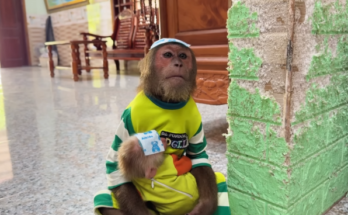
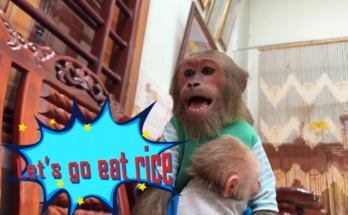
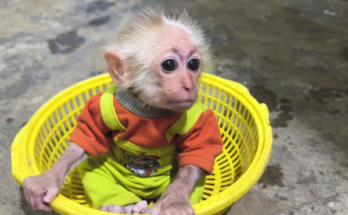
The bond between mother and baby animals is one of the most profound expressions of love in the natural world. This relationship is essential not only for the survival of the species but also for emotional development. For example, in primates, the close physical and emotional connection between mother and infant shapes social behaviors and cognitive development. Young animals learn trust, social cues, and survival skills through these early interactions.
From a human perspective, observing such bonds can be deeply moving. The sight of a mother gently grooming her baby or softly nudging it back to safety can stir emotions of warmth and tenderness. Even for those who may not consider themselves animal lovers, there is something universally comforting about witnessing the innocence and dependence of a young creature on its parent. These observations evoke empathy, compassion, and a sense of awe—all of which contribute to lowering stress levels and enhancing emotional well-being.
Relaxation Through Observation
Watching beautiful animals and their offspring can serve as a form of mindful meditation. Unlike traditional meditation, which may require focus and discipline, animal observation invites us to engage naturally. As we watch, we notice the subtle movements, hear the soft sounds, and appreciate the intricate details of life unfolding. This simple act can slow our breathing, calm our minds, and create a profound sense of presence.
For instance, imagine sitting quietly near a pond where a mother duck is guiding her ducklings through the water. You watch as the little ducklings paddle eagerly, occasionally getting distracted by their reflections or pecking at the water’s surface. The mother gently nudges them along, keeping them safe from predators. As you observe this small scene, you may feel your own anxieties fade. The rhythmic movements of the water, the gentle quacking, and the careful attention of the mother duck create a natural, soothing rhythm that relaxes both body and mind.
Similarly, watching a mother elephant carefully tending to her calf in the African savannah can instill a profound sense of calm. Elephants are known for their intelligence and emotional depth, and their maternal behaviors are no exception. A mother elephant may use her trunk to guide her young, comfort it when it stumbles, or shield it from potential danger. Observing such tenderness can evoke feelings of safety and peace, mirroring the same emotions the young elephant experiences under her care.
The Joy of Play
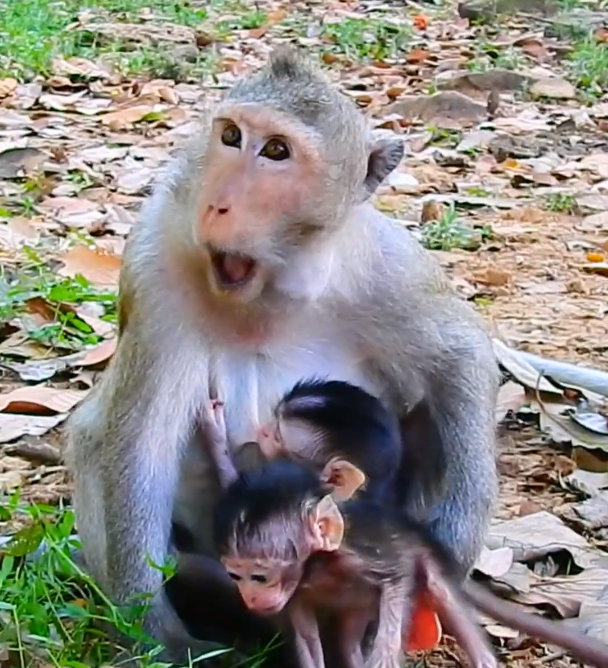
One of the most delightful aspects of mother and baby animal interactions is play. Play is essential for the development of young animals, helping them learn physical skills, social interactions, and problem-solving abilities. For humans, watching these playful interactions can trigger joy and laughter, which are natural antidotes to stress.
Consider a mother cat encouraging her kittens to chase and pounce on a soft toy or even on each other. The kittens’ clumsy movements, curious expressions, and bursts of energy are irresistibly charming. Observing this can bring a smile to anyone’s face, reminding us of the simple pleasures of life. Playful moments between animal mothers and their babies often include gentle nudges, mock fights, and protective gestures, all of which highlight the nurturing aspect of their relationship. This combination of innocence, curiosity, and care is profoundly heartwarming and can serve as an effective stress reliever.
Emotional Resonance and Stress Relief
Human brains are wired to respond emotionally to nurturing behaviors. This phenomenon is part of what psychologists call the “tend-and-befriend” response—a natural instinct to care for others and seek social connection, particularly in times of stress. Observing maternal care in animals can activate similar emotional circuits in the brain, releasing oxytocin, sometimes referred to as the “love hormone.” Oxytocin promotes feelings of warmth, bonding, and relaxation, directly countering the effects of stress hormones like cortisol.
In addition, watching animals interact with their babies can provide a form of emotional catharsis. Many people find that viewing the tenderness and vulnerability of young animals allows them to process their own emotions more gently. It serves as a reminder of the importance of care, patience, and love in our own lives. In this way, beautiful moments between animal mothers and their young can act as a therapeutic tool, offering emotional comfort and mental clarity.
Connecting With Nature in Everyday Life
While traveling to observe wildlife may not always be feasible, there are numerous ways to experience the calming presence of mother and baby animals in everyday life. Local parks, nature reserves, and even urban gardens can provide opportunities to witness animal interactions. Birds, squirrels, and other small mammals often engage in tender behaviors that can be observed quietly without disturbing them.
For those who prefer to stay indoors, videos and documentaries focused on wildlife offer an accessible alternative. Platforms like nature channels or online streaming services feature countless hours of content showcasing maternal care in the animal kingdom. These videos are not only entertaining but also provide a therapeutic visual experience that can help reduce stress and promote relaxation.
Additionally, pets at home offer daily opportunities to observe nurturing behaviors. A dog caring for its puppies, a cat watching over her kittens, or even a rabbit tending to her babies can create small but meaningful moments of peace and joy in our lives. By taking the time to slow down and observe these interactions, we cultivate mindfulness and a deeper appreciation for the simple yet profound beauty of life.
The Universal Language of Love
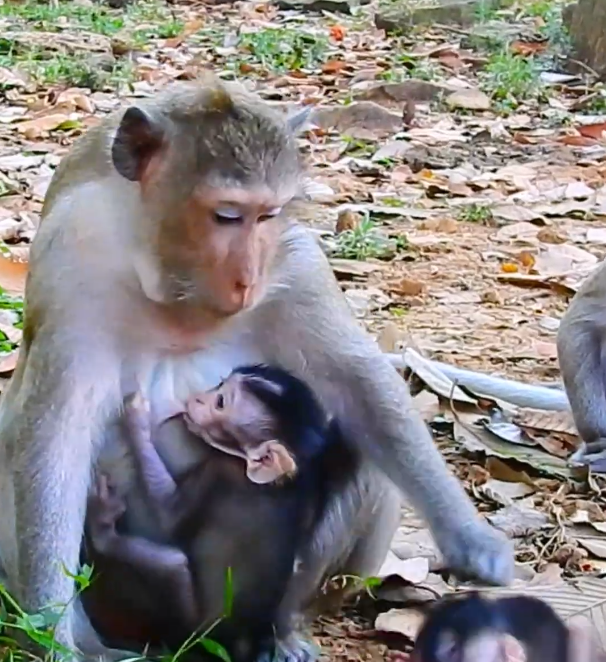
The bond between mother and baby animals transcends language, culture, and species. It speaks directly to our shared capacity for love and empathy. Observing these relationships reminds us of the interconnectedness of all living beings and encourages us to approach life with more compassion and understanding. The unconditional love displayed by animal mothers resonates with our innate desire for care and security, allowing us to momentarily set aside worries and immerse ourselves in the serenity of the moment.
Moreover, these observations can inspire positive behavioral changes. People who regularly engage with nature and observe nurturing behaviors in animals often report increased patience, improved emotional regulation, and greater empathy in their daily interactions. The calming influence of these experiences extends beyond the immediate moment, fostering long-term resilience and emotional well-being.
Creating a Relaxing Ritual
To fully harness the stress-relieving benefits of observing beautiful animals and their babies, consider creating a mindful ritual around this practice. This could involve setting aside a specific time each day to watch a nature video, visiting a nearby park, or simply observing the wildlife around your home. Combine this with deep breathing, gentle stretching, or quiet reflection to enhance the relaxation experience.
For instance, you might start your morning with a ten-minute video of mother and baby animals. Focus on their movements, the sounds they make, and the care they show. Allow yourself to immerse fully in the experience, noticing how your body and mind respond. Over time, this simple practice can become a powerful tool for managing stress and cultivating a sense of calm and joy.
Conclusion
In a world filled with constant noise, pressure, and uncertainty, moments of tranquility can feel rare and precious. Yet, by turning our attention to the natural beauty of mother and baby animals, we can access a gentle, profound source of relaxation and stress relief. These interactions remind us of the power of care, love, and connection—the universal qualities that sustain life across species.
Whether it is the tender gaze of a mother panda, the playful antics of a kitten with her litter, or the careful guidance of a mother elephant, these moments offer us a window into the simplicity and purity of love. Observing them encourages mindfulness, reduces stress, and restores emotional balance. It invites us to slow down, breathe deeply, and reconnect with the natural world and our own capacity for empathy.
Incorporating these observations into our daily lives, whether through direct interaction with wildlife, caring for pets, or enjoying nature documentaries, can transform ordinary moments into powerful experiences of relaxation and joy. The bond between mother and baby animals is more than just a natural phenomenon—it is a living testament to the healing power of love, tenderness, and connection. By embracing this beauty, we invite peace, wonder, and serenity into our lives, cultivating a deeper appreciation for the world around us and the simple joys that make life meaningful.