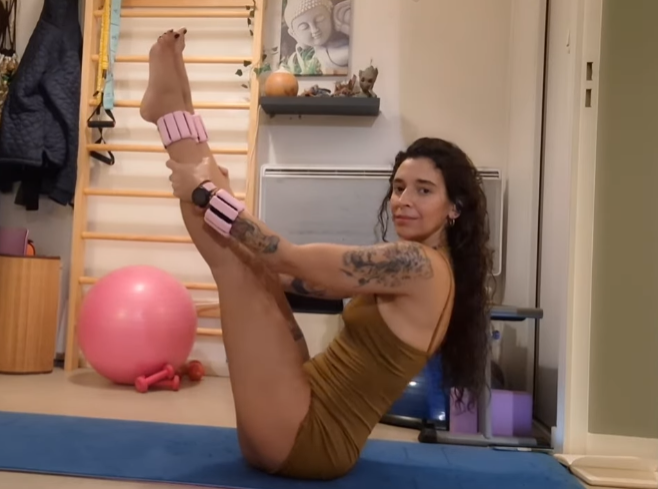
In a world that often celebrates intensity, speed, and pushing limits, there is quiet power in softness. A soft yoga practice that blends flexibility and strength offers a balanced approach to movement—one that honors the body’s natural rhythms while still building resilience. This style of practice is not about how far you stretch or how long you hold a pose; it is about awareness, control, and kindness toward yourself.
Flexibility and strength are not opposites. In fact, they depend on each other. Flexibility allows the body to move freely without restriction, while strength provides the stability needed to move safely and confidently. A soft yoga practice brings these two qualities together through gentle, mindful movement that supports both physical and mental well-being.
The Philosophy of Soft Yoga
Soft yoga emphasizes slow transitions, conscious breathing, and gentle engagement of muscles. Unlike high-intensity styles, soft yoga invites you to move at a pace that feels nourishing rather than exhausting. It encourages listening to the body’s signals and responding with care.
This approach is especially beneficial for:
- Beginners who are new to yoga
- People recovering from injury or fatigue
- Anyone experiencing stress, stiffness, or burnout
- Practitioners seeking a more mindful, restorative experience
Soft yoga does not mean passive. Strength is developed subtly through sustained poses, controlled movements, and deep muscular awareness.
Benefits of a Flexibility and Strength Soft Yoga Practice
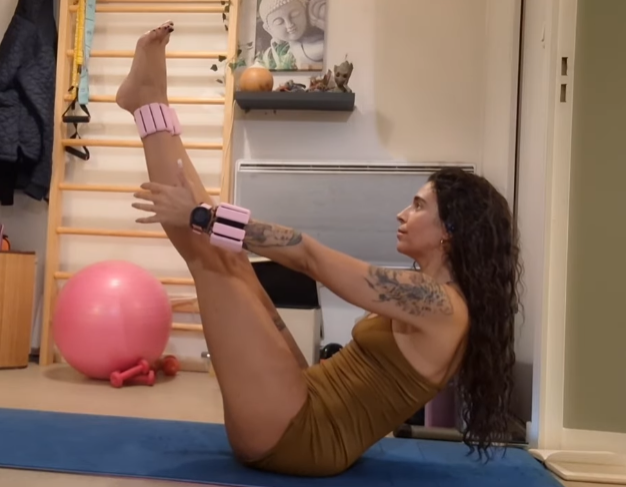
A consistent soft yoga routine can bring powerful benefits over time:
- Improved flexibility without overstretching
- Gentle strength building in the core, legs, and back
- Better posture and balance
- Reduced joint pain and muscle tension
- Calmer nervous system and reduced stress
- Enhanced body awareness and coordination
Because the movements are gentle and controlled, this practice is suitable for all ages and fitness levels.
Preparing for Your Practice
Before beginning, choose a quiet space where you can move without interruption. Wear comfortable clothing and use a yoga mat or soft surface. Have blocks, cushions, or a folded blanket nearby for support.
Begin by setting an intention. This could be as simple as “I will move with kindness” or “I will listen to my body.” This mindset will guide your practice.
Soft Yoga Practice: Flexibility and Strength

Move slowly and breathe deeply throughout the practice. Each inhale creates space; each exhale invites release.
1. Grounding and Breath Awareness (5 Minutes)
Start in a comfortable seated or lying position.
- Close your eyes and place one hand on your chest, one on your belly
- Inhale through the nose, feeling the ribs expand
- Exhale slowly, allowing the body to soften
Stay here for several breaths, bringing awareness inward. This grounding phase prepares both the mind and body for movement.
2. Gentle Warm-Up (5–7 Minutes)
Neck and Shoulder Release
Slowly tilt your head side to side, then roll the shoulders forward and back. These small movements release tension from common stress areas.
Seated Spinal Flow
Inhale to lengthen the spine, exhale to gently round the back. Repeat several times, syncing movement with breath.
This warms the spine and awakens the back muscles.
3. Soft Strength for the Core and Back (8 Minutes)
Tabletop Core Activation
Come to all fours. Inhale, extend your right arm and left leg. Exhale, draw them back in. Switch sides. Move slowly, maintaining balance and control.
This builds gentle core strength while supporting spinal stability.
Modified Plank
Lower your knees and hold a soft plank position. Engage the core lightly and breathe steadily. Hold for 3–5 breaths, rest, and repeat.
Strength is built through presence, not force.
4. Flexibility Through Gentle Flow (10 Minutes)
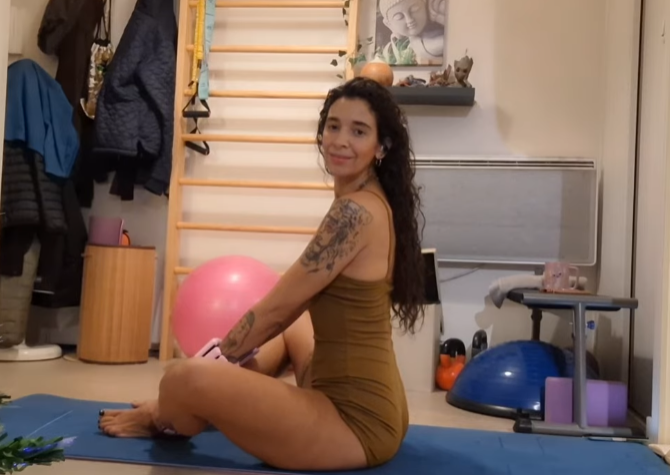
Cat–Cow
Inhale to arch the back, exhale to round. Move slowly, feeling each vertebra. This increases spinal flexibility and circulation.
Low Lunge with Support
Step one foot forward into a low lunge. Keep hands on blocks or thighs. Sink hips gently and breathe into the stretch. Switch sides.
This pose opens the hips while strengthening the legs.
5. Standing Poses for Balanced Strength (8 Minutes)
Soft Warrior II
From standing, step one foot back and open the hips slightly. Bend the front knee softly and extend arms out. Keep shoulders relaxed.
Hold for several breaths, feeling strength in the legs and openness in the hips.
Tree Pose (Supported)
Balance on one foot, placing the other foot on the ankle or calf. Use a wall for support if needed. Engage the standing leg gently.
Balance poses cultivate both physical strength and mental focus.
6. Seated and Floor-Based Flexibility (10 Minutes)
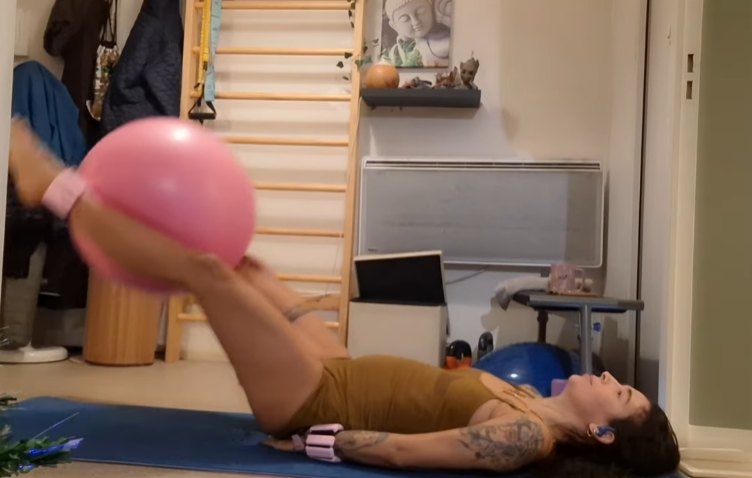
Seated Forward Fold
Sit with legs extended or bent. Fold forward gently, keeping the spine long. Let the stretch be soft and supportive.
Butterfly Pose
Bring soles of the feet together. Hold the feet and allow the knees to fall outward naturally. Stay here for several breaths.
These poses release tension in the hips and lower back.
7. Gentle Strength in Stillness (5 Minutes)
Bridge Pose (Supported)
Lie on your back with knees bent. Lift hips slightly and place a block or cushion under the pelvis. Rest here, engaging glutes lightly.
This strengthens the back and legs while remaining restorative.
8. Deep Relaxation and Integration (7–10 Minutes)
End your practice in Savasana.
- Lie flat on your back
- Allow arms and legs to relax
- Close your eyes and breathe naturally
Feel the effects of your practice settling into your body. Notice areas of warmth, softness, or calm.
Tips for a Sustainable Soft Yoga Practice
- Move slowly and mindfully
- Focus on breath over depth
- Use props freely—they support, not weaken, the practice
- Practice regularly, even if sessions are short
- Respect your body’s limits
Consistency and kindness create lasting change.
Who This Practice Is For
This flexibility and strength soft yoga practice is ideal for:
- Those seeking gentle yet effective movement
- People with tight muscles or joint sensitivity
- Anyone recovering from stress or fatigue
- Practitioners wanting a balanced, nurturing routine
It is a reminder that strength does not need to be aggressive, and flexibility does not need to be forced.
Final Thoughts
Soft yoga teaches us that the body responds best to patience and care. By combining flexibility and strength through gentle, mindful movement, we build a practice that is sustainable, supportive, and deeply nourishing.
Each pose is an opportunity to listen. Each breath is a chance to release tension. Over time, this soft approach creates a body that is not only flexible and strong, but also resilient and at ease.
Step onto your mat with compassion. Move gently. Grow steadily.
This is the true power of a soft yoga practice. 🧘♀️✨