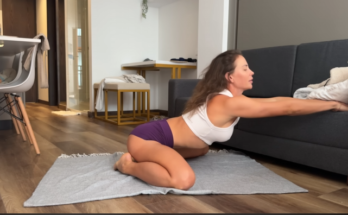
Morning arrives quietly, carrying with it the promise of a fresh beginning. The body awakens slowly, often holding the memories of yesterday—long hours of sitting, restless sleep, emotional tension stored deep within the hips. A Soft Morning Flow / Hip Opening Release is an invitation to greet the day gently, with awareness, compassion, and ease.
This practice is not about pushing or striving. It is about listening. Before the mind fills with plans and responsibilities, the body deserves attention. Rolling out the mat in the morning creates a small sacred space where breath and movement can unfold naturally. Even before the first pose, the intention is clear: to soften, to open, and to release.
The hips are powerful yet sensitive joints. They support walking, sitting, bending, and standing, but they also store stress and emotion. Many people carry unspoken feelings in this area—tension from worry, tightness from inactivity, or fatigue from overuse. A soft hip-opening flow allows these layers to gently unravel.
Begin by arriving in stillness.

Seated or lying down, close your eyes and take a slow breath in through the nose. Feel the belly rise, the ribs expand, the chest soften. Exhale slowly, letting the weight of the body sink into the mat. With each breath, the nervous system shifts from urgency into calm. Morning becomes less about rushing and more about presence.
Gentle movement follows.
Slow spinal rolls, subtle pelvic tilts, and small circles awaken the lower back and hips. These movements may seem simple, but they are deeply effective. They invite fluid back into the joints, reduce stiffness, and remind the body how to move with ease. There is no forcing—only exploration.
As the flow continues, poses such as cat-cow bring warmth and mobility. On the inhale, the hips tilt forward, the chest opens, and the gaze lifts slightly. On the exhale, the hips tuck, the spine rounds, and the belly draws in. This rhythmic movement connects breath with motion, creating a sense of internal massage.
From there, the body naturally transitions into hip-focused shapes.
Child’s pose with knees wide allows the hips to gently open while the spine lengthens. The forehead rests on the mat or a block, signaling safety to the body. Here, tension begins to melt away without effort. Breath flows into the lower back and hips, creating space where there once was tightness.
A soft low lunge may follow, with the back knee resting on the mat. The hips sink gently forward, stretching the front of the hip and thigh. Arms can stay low or rise slowly, depending on what feels supportive. The key is patience—hips open best when they feel safe, not rushed.
Morning flows benefit from slowness.
Unlike dynamic practices, a soft flow encourages pauses. You might stay in a pose for several breaths, allowing the muscles to relax gradually. Each inhale creates length; each exhale invites release. Over time, the body responds, opening naturally.
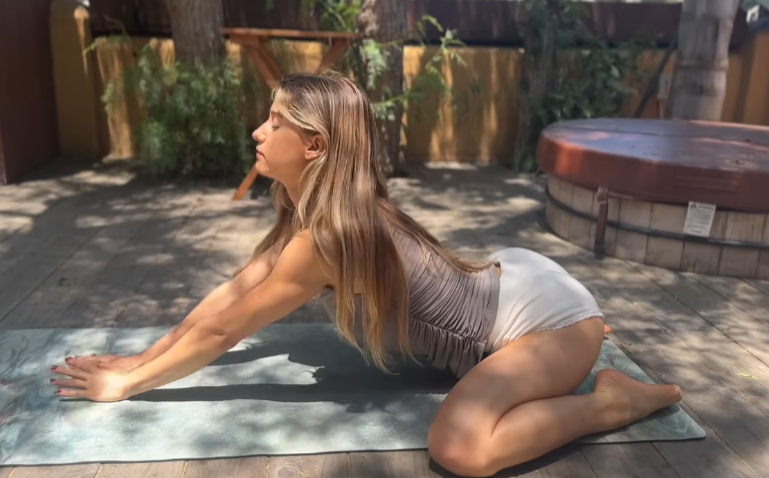
Seated poses deepen the experience.
Butterfly pose, with soles of the feet together, offers a tender stretch for the inner thighs and hips. The spine remains tall, or folds gently forward if it feels comfortable. Hands may rest on the legs or heart, grounding the experience. This posture encourages emotional release as much as physical openness.
Figure-four stretches or reclined hip openers offer support while targeting deeper muscles. Lying on the back, crossing one ankle over the opposite knee, and drawing the legs inward allows the hips to soften without strain. Supported by the floor, the body can fully relax into the stretch.
Throughout the practice, the breath remains the guide.
When sensations intensify, the breath slows. When the body resists, the breath reassures. There is no need to reach a certain shape or depth. The goal is not flexibility—it is freedom. Freedom from stiffness, from stored tension, from the heaviness that sometimes greets us in the morning.
The hips respond best to kindness.
For many, this area holds emotional weight. Memories, stress, and fatigue often settle here quietly. A soft morning flow allows space for these emotions to surface and pass without judgment. Sometimes there is a sigh. Sometimes there is stillness. Both are welcome.
As the practice continues, gentle twists help wring out residual tension. Supine spinal twists with knees bent encourage release through the lower back and hips while calming the nervous system. The body feels supported, cradled by the mat, free to let go.
Eventually, the flow leads toward rest.

A short savasana or supported relaxation allows the benefits of the practice to settle. The hips feel warmer, lighter, more spacious. The breath is steady. The mind is clear. Even a few minutes of rest can transform the energy of the morning.
When you rise from the mat, something has shifted.
Movement feels easier. Steps feel lighter. The body feels more connected and awake. The day ahead no longer feels heavy—it feels possible.
A Soft Morning Flow / Hip Opening Release is more than a physical practice. It is a ritual of self-care. It reminds us that we do not need to push ourselves awake. We can ease into the day with grace.
In a world that often demands speed, this gentle flow offers an alternative: softness, awareness, and trust. Trust that the body knows how to open when given time. Trust that the breath can guide release. Trust that a calm beginning can shape the rest of the day.
By returning to this practice regularly, mornings become something to look forward to. The mat becomes a place of comfort and renewal. And the hips—once tight and guarded—become spacious, supportive, and free.
This is the quiet power of a soft morning flow: a gentle opening, a deep release, and a peaceful start to whatever lies ahead.