In today’s fast-paced world, many people spend long hours sitting, standing, or doing repetitive movements that place stress on the legs and back. Over time, this can lead to stiffness, reduced flexibility, poor posture, and persistent aches or pain. The good news is that you don’t need expensive equipment or a gym membership to take care of your body. A simple home stretching routine focused on the legs and back can significantly improve flexibility, reduce discomfort, and support long-term physical well-being.
Why Stretching the Legs and Back Matters
The legs and back form the foundation of most daily movements—walking, bending, lifting, sitting, and even sleeping positions. Tight muscles in these areas can pull the body out of alignment, increasing strain on joints and ligaments. For example, tight hamstrings can contribute to lower back pain, while stiff hip flexors can affect posture and balance.
Regular stretching helps:
- Improve blood circulation to muscles
- Increase range of motion and flexibility
- Reduce muscle tension and stiffness
- Support better posture
- Lower the risk of injury
- Relieve mild to moderate pain caused by tight muscles
When done consistently, stretching becomes a powerful tool for pain relief and overall mobility.
When and How Often to Stretch
For best results, aim to stretch at least 4–6 days a week. You can stretch:
- In the morning to wake up stiff muscles
- After exercise to relax and lengthen muscles
- In the evening to release tension from the day
Each stretch should be performed slowly and gently. Never force your body into pain. Mild tension is normal, but sharp pain is a signal to stop.
Simple Home Stretching Routine
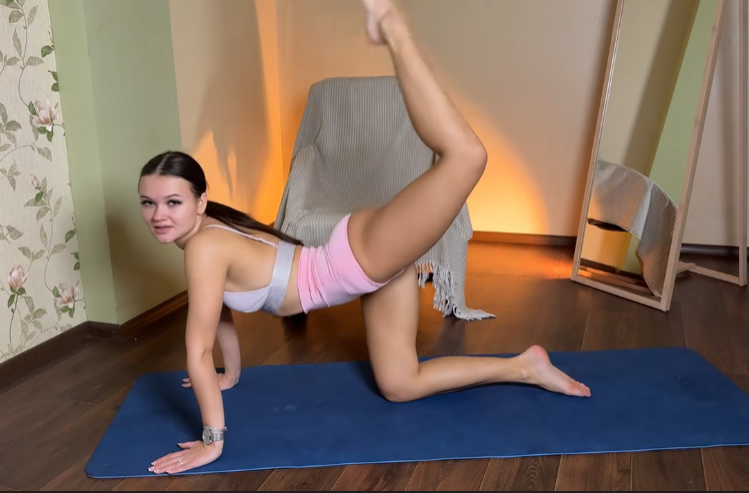
Below is an easy, beginner-friendly routine that focuses on the legs and back. The entire sequence can be completed in 15–20 minutes.
1. Neck and Upper Back Release
Although the focus is on legs and back, starting with the upper back helps the entire spine.
- Sit or stand tall
- Gently tilt your head forward, bringing your chin toward your chest
- Hold for 10–15 seconds
- Slowly roll your shoulders backward and forward
This prepares your spine for deeper stretches.
2. Standing Forward Fold
This stretch targets the hamstrings, calves, and lower back.
- Stand with feet hip-width apart
- Slowly bend forward from the hips
- Let your arms hang toward the floor
- Slightly bend your knees if needed
Hold for 20–30 seconds while breathing deeply. This stretch helps decompress the spine and relax tight leg muscles.
3. Cat–Cow Stretch
Excellent for spinal mobility and back pain relief.
- Start on all fours, hands under shoulders, knees under hips
- Inhale, drop your belly, lift your chest and head (Cow)
- Exhale, round your back, tuck your chin (Cat)
Repeat slowly 8–10 times. This movement gently massages the spine and improves flexibility.
4. Seated Hamstring Stretch
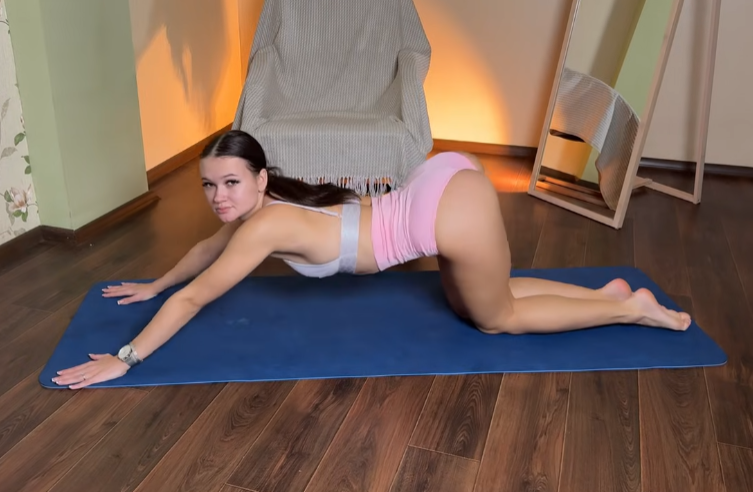
Tight hamstrings are a common cause of lower back pain.
- Sit on the floor with one leg extended, the other bent
- Reach toward the toes of the extended leg
- Keep your back straight
Hold for 20–30 seconds, then switch sides. This stretch reduces tension behind the legs and supports spinal alignment.
5. Hip Flexor Stretch
Hip flexors often become tight from prolonged sitting.
- Kneel on one knee, the other foot forward
- Gently shift hips forward
- Keep chest upright
Hold for 20–30 seconds on each side. This stretch can greatly reduce lower back strain.
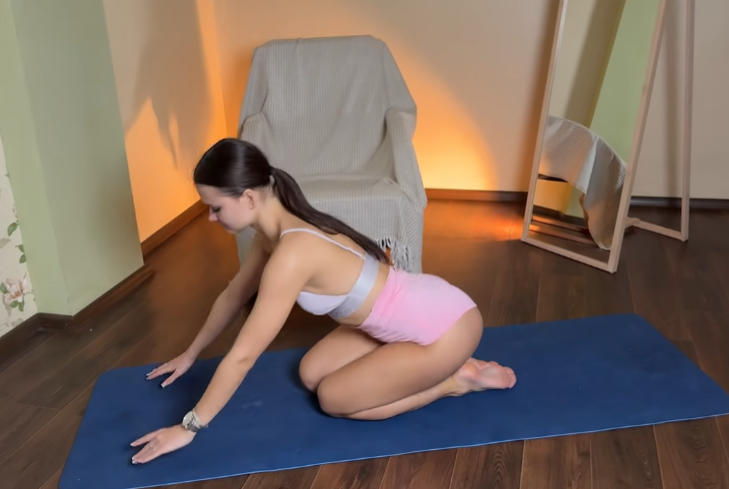
6. Child’s Pose
A deeply relaxing stretch for the entire back.
- Kneel on the floor, sit back on your heels
- Extend arms forward and lower your chest
- Rest your forehead on the mat or floor
Hold for 30–60 seconds. Focus on slow breathing to release tension.
7. Lying Spinal Twist
This stretch improves spinal flexibility and eases lower back tightness.
- Lie on your back
- Bring one knee toward your chest
- Gently guide it across your body
Hold for 20–30 seconds, then switch sides. Twists help relieve stiffness after long periods of sitting.
8. Knee-to-Chest Stretch
Great for relaxing the lower back.
- Lie on your back
- Hug both knees toward your chest
- Gently rock side to side
Hold for 20–30 seconds. This stretch provides immediate relief for tight lower back muscles.
9. Standing Quad Stretch
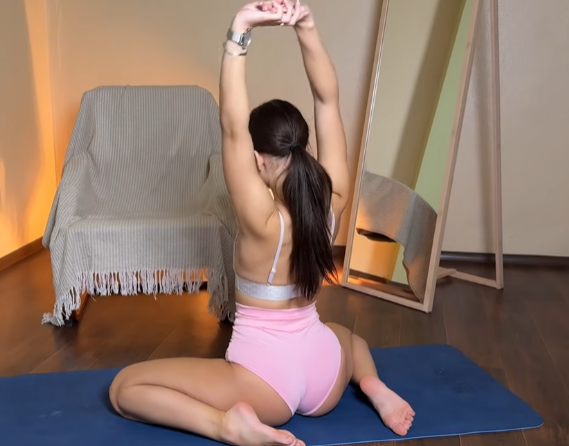
Strong, flexible quadriceps support knee and hip health.
- Stand on one leg
- Bend the other knee, bringing heel toward your glutes
- Hold your ankle and keep knees close together
Hold for 20 seconds on each side.
Breathing and Mindfulness
Stretching is most effective when combined with mindful breathing. Inhale through your nose, exhale slowly through your mouth. This calms the nervous system and allows muscles to relax more deeply. Treat your stretching time as a moment of self-care, not a rushed task.
Safety Tips
- Warm up lightly before stretching (a short walk or gentle movements)
- Avoid bouncing or jerky motions
- Stop if you feel sharp pain or dizziness
- Consult a healthcare professional if you have injuries or chronic pain
Long-Term Benefits
With regular practice, this simple home routine can:
- Reduce chronic leg and back pain
- Improve posture and balance
- Increase flexibility and mobility
- Enhance daily comfort and movement
- Support better sleep and relaxation
Stretching is not about perfection or extreme flexibility—it’s about consistency and listening to your body.
Conclusion
A simple stretching routine for the legs and back can make a powerful difference in how you feel each day. By dedicating just a few minutes at home, you can relieve pain, increase flexibility, and improve overall quality of life. No equipment, no pressure—just gentle movements, mindful breathing, and a commitment to caring for your body. Over time, these small daily efforts add up to lasting comfort, strength, and freedom of movement.