In the heart of a dense jungle, where sunlight trickles through the thick canopy and the air is filled with the calls of birds and the rustle of leaves, lives a troop of monkeys, each with its own quirks, stories, and personalities. Among them, one young monkey stands out—affectionately known by everyone in the troop as “Monkey Brother.” He is clever, playful, and surprisingly considerate for his age. But what makes him truly remarkable is something far deeper than his mischievous antics: his sense of fairness and his unwavering bond with those he loves. In the jungle, where survival often depends on strength, speed, and wit, Monkey Brother lives by a principle that sets him apart: he will not let anyone, including himself, suffer any loss.
From the moment he was born, Monkey Brother displayed an unusual awareness of his surroundings. While other infants clung blindly to their mothers or explored recklessly, he seemed to watch, analyze, and understand the patterns of the troop. He learned quickly which trees were safest to climb, which branches could bear his weight, and which areas were best for finding the ripest fruits. But more than that, he learned the subtle art of cooperation—sharing, protecting, and helping others, even at a young age.
The elders of the troop often noted this trait with admiration. Monkey Brother had a way of noticing when another monkey struggled, whether it was a smaller sibling trying to reach a branch or a friend who had lost its footing. Without hesitation, he would intervene—not with force or dominance, but with guidance and encouragement. “He has a heart bigger than the jungle itself,” one elder once remarked. And it was true. Monkey Brother believed that no monkey in his circle should suffer a loss, whether in food, safety, or affection.
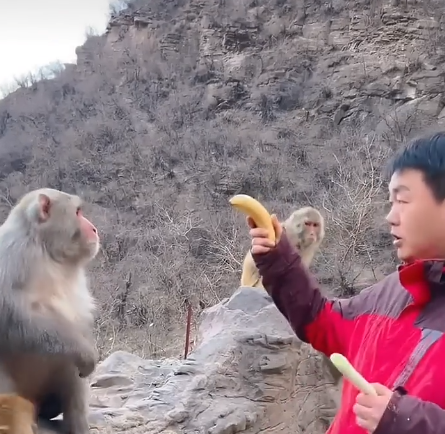
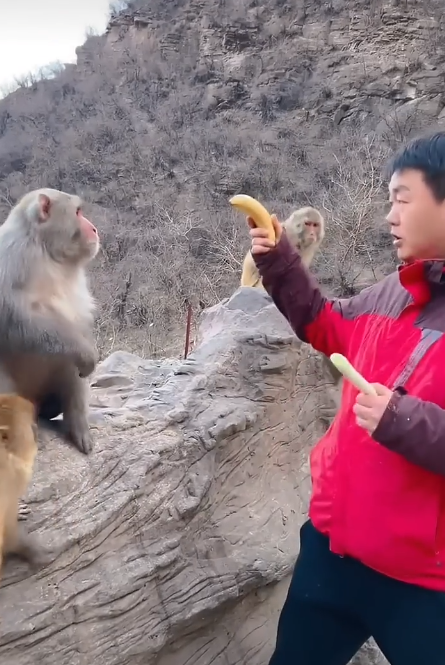
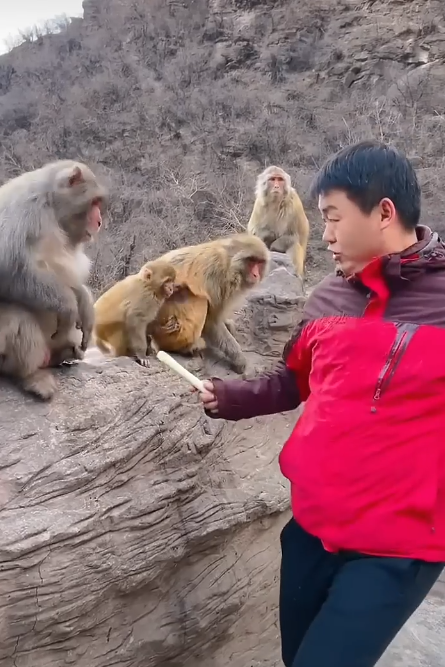
One memorable day perfectly illustrated his character. The troop had discovered a hidden grove filled with ripe bananas—a rare treasure in the dry season. Naturally, competition arose. Older and stronger monkeys pushed aside the younger ones, trying to claim the best fruit. Many infants and smaller monkeys ended up with almost nothing, their tiny hands empty and their stomachs rumbling. Monkey Brother, observing the unfairness, acted quickly. Using his agility and cleverness, he helped redistribute the bananas, guiding some to his friends and siblings while ensuring he took only his fair share. By the end of the day, every monkey in the grove had enough to eat, and Monkey Brother beamed with satisfaction. For him, seeing others deprived was a loss he could not tolerate.
His philosophy extended beyond food. Monkey Brother was equally protective when it came to safety. The jungle is full of hidden dangers—snakes slithering through the undergrowth, predators lurking in the shadows, or sudden storms that could knock down trees. Time and again, Monkey Brother proved that he was willing to risk his own comfort or safety to help another. When a young cousin slipped from a branch, he was there to catch and support it. When a troop member became cornered by a leopard, Monkey Brother’s swift warning calls and strategic distractions gave the group the precious seconds they needed to escape. In his mind, no loss—physical, emotional, or social—was acceptable if it could be prevented.

Monkey Brother’s commitment to his friends and family also strengthened the bonds within the troop. Trust and cooperation flourished around him. Younger monkeys would follow his lead, knowing he would guide them wisely. Older monkeys respected his insight and instinct, recognizing that his actions were never selfish. The jungle can be harsh and unpredictable, but Monkey Brother created pockets of safety, fairness, and joy wherever he went.
Even his playful nature carried this same principle. While monkeys often engage in games that can be rough or competitive, Monkey Brother made sure no one was left out or hurt. During races through the treetops, he adjusted his speed to match the slower climbers, cheering them on as they kept pace. In mock battles, he avoided unnecessary force, making sure everyone had a chance to “win” or laugh at their own clever maneuvers. These small acts, seemingly simple, reflected a profound understanding: happiness is never fully achieved if someone else suffers loss.
Perhaps the most touching example of Monkey Brother’s devotion came during a time of scarcity. A sudden drought struck the jungle, leaving fruit trees bare and water sources shallow. Hunger and tension spread through the troop. Many monkeys became aggressive, fighting over what little remained. Monkey Brother, however, refused to let desperation divide his family. He remembered hidden water pools he had discovered earlier and secret clusters of edible leaves. He led the smaller and weaker monkeys to these safe havens, ensuring they had nourishment and hydration while avoiding conflict. He himself ate sparingly, always putting others first. In those critical days, his leadership and empathy prevented suffering that could have torn the troop apart.
His mother, watching from nearby branches, often smiled with quiet pride. “That is my son,” she whispered to herself. “He will not let anyone lose—even when the jungle tries to teach him otherwise.” And it was true. Monkey Brother’s love, fairness, and intelligence created a ripple effect. The troop became more cohesive, cooperative, and resilient because of him.
Monkey Brother’s philosophy of preventing loss is not just instinct—it is intentional and conscious. He assesses situations, predicts potential risks, and acts with foresight. He knows that loss can take many forms: physical, emotional, or social. He ensures that no monkey feels excluded, threatened, or deprived. His generosity is not random; it is a guiding principle, woven into every decision he makes.
His story also serves as a reminder of the broader lessons we can learn from the animal kingdom. Animals often display care, empathy, and social intelligence that we might underestimate. Monkey Brother is an example of how even in the wild, where survival is a constant challenge, creatures can act with compassion and fairness. He teaches us that protecting others, sharing resources, and looking out for our community is not weakness—it is strength. It builds trust, fosters resilience, and creates harmony.
As Monkey Brother grows, the elders notice a remarkable transformation. He is no longer just a playful young monkey; he is becoming a leader, not through dominance, but through respect, wisdom, and empathy. Younger monkeys seek his guidance, while older monkeys rely on his judgment. And through it all, he continues to hold fast to his principle: he will not let anyone, including himself, suffer unnecessary loss.
Even the humans who study or observe him cannot help but be inspired. Wildlife researchers have documented his clever strategies for protecting the troop, his problem-solving abilities, and his incredible capacity for empathy. They note that Monkey Brother is not just intelligent; he is emotionally wise. He understands the value of fairness and the importance of maintaining balance, both in resources and in relationships.
At night, as the troop rests in the trees, Monkey Brother curls up beside his siblings, mother, and friends. His eyes close, but the vigilance remains deep within him. He has spent the day ensuring that everyone is safe, fed, and content. And as the jungle hums quietly around them, there is peace. Monkey Brother knows that when everyone’s needs are met, no one suffers, and the troop thrives together.
The story of Monkey Brother is more than a tale of one clever, caring primate—it is a lesson for all of us. In life, we encounter challenges, scarcity, and uncertainty. Loss is inevitable at times, but we can choose how we respond to it. Like Monkey Brother, we can act with compassion, fairness, and attentiveness. We can share what we have, protect those in need, and ensure that the people—or creatures—we love do not suffer unnecessarily.
In a world that often seems driven by competition, self-interest, and fear, Monkey Brother reminds us that kindness and empathy are powerful forces. They can create safety, joy, and community. And when we act with such integrity, we leave a lasting impact—just as he has left on his troop.
Monkey Brother’s story is one of hope, love, and wisdom. 😍 He shows us that no matter how wild or unpredictable life may be, we have the capacity to care deeply, act fairly, and prevent unnecessary suffering. His principle—that no one should suffer loss—is not just admirable; it is transformative. It is a reminder that love, attentiveness, and generosity are strengths, and that even in the heart of the jungle, compassion can guide us to a better, brighter life.
And so, as the sun sets behind the trees and the troop settles for the night, Monkey Brother remains a beacon of hope and love. He is playful, intelligent, and clever—but above all, he is unwavering in his care for others. In the jungle, in the world, and in our hearts, his story inspires us to act with kindness, fairness, and devotion. Monkey Brother will not suffer any loss 😍, and through his actions, he ensures that those he loves do not suffer either.